When you’re thinking about pregnancy, the focus often lands on prenatal vitamins and doctor’s appointments. But what you put on your plate can be one of the most direct ways to communicate with your body’s hormonal system. The right foods don’t just provide nutrients; they help create a stable, receptive internal environment. Think of it as laying a nourishing foundation, one meal at a time.
While no single food is a magic solution, consistently choosing certain nutrient-dense options can support the complex hormonal dance involved in ovulation, implantation, and early fetal development. The goal isn’t perfection, but gentle, steady support for your body’s natural rhythms.
Why does food matter for pre-pregnancy hormones?
Hormones are chemical messengers, and they’re built from the raw materials you consume. Fats, proteins, vitamins, and minerals are all essential building blocks for hormones like estrogen and progesterone, which must rise and fall in a precise pattern for conception and a healthy pregnancy to occur. Furthermore, chronic inflammation and blood sugar spikes can disrupt these delicate patterns. The foods highlighted here are chosen because they provide key nutrients, help manage inflammation, and support metabolic health, creating a more balanced backdrop for your reproductive hormones.
Food is foundational. It provides the literal components your body uses to manufacture and regulate the hormones essential for fertility.
1. Fatty Fish (like Salmon and Sardines)
Fatty fish are a standout for pre-pregnancy nutrition, primarily due to their rich content of omega-3 fatty acids, specifically EPA and DHA. These fats are not just "good for you"; they are potent anti-inflammatory agents. Since inflammation can interfere with ovulation and hormone signaling, managing it is a key step.
Omega-3s also play a direct role in hormone production. They are used to create hormone-like substances called prostaglandins, which influence menstrual cycle regularity. Furthermore, DHA is critical for fetal brain development, so building up your stores before conception is a wise move. Aim for two servings per week of low-mercury options like wild-caught salmon, sardines, or anchovies.
- Key Nutrients: Omega-3 fatty acids (EPA/DHA), vitamin D, selenium, high-quality protein.
- Hormonal Support: Reduces systemic inflammation, supports hormone synthesis, and may improve egg quality.
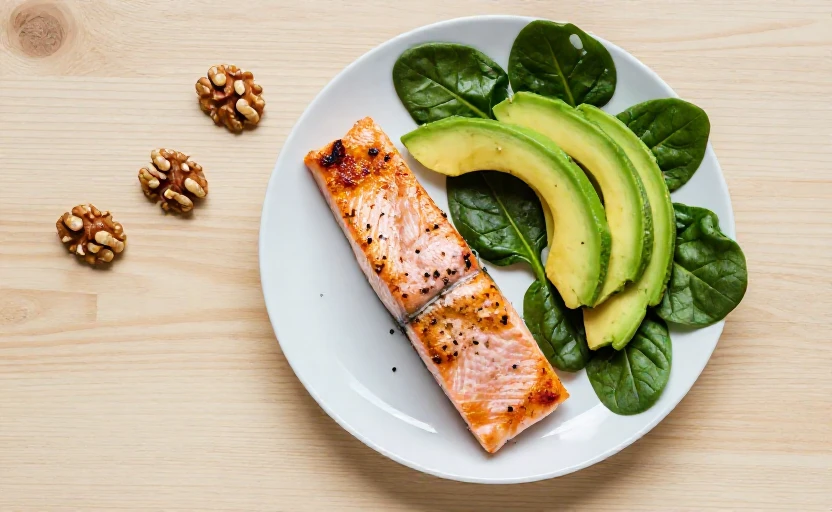
- Simple Serving Idea: Bake a salmon fillet with lemon and herbs, or add canned sardines to a salad for a quick lunch.
2. Leafy Green Vegetables (like Spinach and Kale)
Dark, leafy greens are a powerhouse of folate—the natural form of the folic acid found in prenatal vitamins. Folate is crucial for preventing neural tube defects in early pregnancy, but its role begins well before a positive test. It’s deeply involved in a process called methylation, which helps regulate gene expression and hormone metabolism, including the breakdown of excess estrogen.
These greens are also packed with magnesium, a mineral that acts as a cofactor in hundreds of bodily processes, including those that regulate the stress hormone cortisol and support progesterone production. When you’re stressed, magnesium levels can dip, so replenishing through food is essential. A daily large handful of spinach in a smoothie or a side of sautéed kale can make a significant difference.
Beyond the basics
Don’t forget about other members of this family, like Swiss chard and collard greens. They offer a variety of antioxidants that protect reproductive cells from oxidative stress, another factor that can impact hormonal balance and egg health.
3. Avocados
Avocados bring a unique combination of healthy fats and fiber to your pre-pregnancy plate. Their monounsaturated fats are used in the production of hormones and help with the absorption of fat-soluble vitamins like vitamin E, which is important for endometrial health. The high fiber content supports gut health, which is intrinsically linked to hormone balance because a healthy gut helps the body efficiently eliminate used hormones.
Perhaps most importantly, the fat and fiber in avocados help stabilize blood sugar. Sharp rises and falls in blood glucose can trigger the release of insulin and cortisol, hormones that, when chronically elevated, can disrupt ovulation. Adding half an avocado to a meal helps create a slow, steady release of energy, keeping these hormonal responses calm and steady.
Remember, these foods are part of a bigger picture. They work best within an overall pattern of eating that includes a variety of colorful vegetables, whole grains, lean proteins, and plenty of water. Reducing processed foods, added sugars, and excessive caffeine can further help minimize hormonal disruptions. It’s always a good idea to discuss any significant dietary changes with your healthcare provider, especially when preparing for pregnancy. This approach is about nourishment, not restriction—feeding your body the supportive nutrients it needs for the journey ahead.