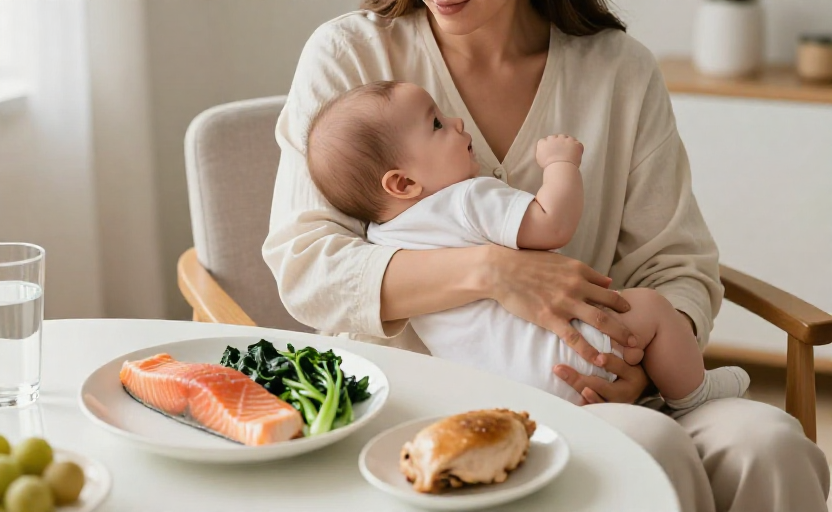
Your body just accomplished something extraordinary. Whether you delivered vaginally or by cesarean, the postpartum period is a time of immense physical repair and hormonal reset. While rest and support from loved ones are crucial, the foods you eat can directly influence how quickly your tissues heal, how well your energy rebounds, and how steady your mood feels during those early weeks.
We asked registered dietitians who specialize in maternal health to name the three most impactful foods for postpartum recovery. Here is what they recommend—backed by nutrition science and designed to support the unique demands of your healing body.
Fatty Fish: Omega-3s for Tissue Repair and Mood Balance
Fatty fish such as salmon, sardines, mackerel, and anchovies are among the most concentrated sources of long-chain omega-3 fatty acids, specifically DHA and EPA. These fats play a starring role in reducing systemic inflammation—a key part of the healing process after delivery. Inflammation is a natural response to birth; controlling it properly helps your muscles, ligaments, and uterine tissue recover without prolonged swelling or pain.
Omega-3s are also critical for postpartum mood. Research suggests that low DHA levels are linked to a higher risk of postpartum depression. Your baby receives a huge transfer of DHA during pregnancy, which can deplete your own stores. By eating fatty fish two to three times per week, you replenish those reserves and support neurotransmitter function.
Quick tip: Aim for two servings (about 6 ounces total) of low-mercury fatty fish per week. If you are breastfeeding, the DHA will also pass into your milk, supporting your baby’s brain and eye development.
Canned salmon or sardines on whole-grain toast make an easy, no-cook meal when you are exhausted. If fish is not your thing, a high-quality algae-based DHA supplement is a good alternative—just run it by your healthcare provider first.
Lean Protein: The Building Blocks of Healing
Your body needs more protein during the postpartum period than at any other time except perhaps late pregnancy. Protein supplies the amino acids required to repair torn tissues, rebuild the uterine lining, heal a cesarean incision or perineal stitches, and produce the enzymes and antibodies that protect you from infection.
Dietitians emphasize that not all protein sources are equal in the early weeks. You want options that are easy to digest and quick to prepare. Lean chicken, turkey, eggs, Greek yogurt, cottage cheese, tofu, lentils, and well-cooked beans all fit the bill. A steady intake of about 20–30 grams of protein at each meal—roughly the amount in 3 ounces of chicken or a cup of Greek yogurt—gives your body a constant supply of repair materials.
Many new parents struggle with low appetite or feeling too tired to cook. Hard-boiled eggs, pre-cooked grilled chicken strips, and single-serving packets of nut butter are excellent grab-and-go choices. If nausea or fullness is an issue, try spreading your protein across five or six mini-meals throughout the day rather than forcing three large plates.
Dark Leafy Greens: Iron, Folate, and Calcium for Blood Recovery
Blood loss during delivery is normal, but it can leave you feeling drained, dizzy, or short of breath. Dark leafy greens like spinach, kale, Swiss chard, and collard greens are rich in non-heme iron, which helps rebuild hemoglobin and restore your energy levels. They also pack folate—essential for new cell production and DNA repair—and calcium, which supports bone health and muscle function.
To maximize iron absorption from these greens, pair them with a source of vitamin C. Squeeze lemon juice over sautéed spinach, toss kale with orange segments, or sip a small glass of orange juice alongside your salad. Cooking the greens lightly (steaming or wilting) actually increases your body’s ability to absorb their iron, because heat breaks down compounds that can block absorption.
If you are constipated—a very common complaint after delivery, especially if you received pain medications or iron supplements—the fiber in leafy greens can help get things moving again. Just introduce them gradually if your digestion is sensitive, and drink plenty of water.
Note: While all three of these food categories are excellent for recovery, individual needs vary. A registered dietitian or your OB-GYN can help you tailor your eating plan to your specific health status, especially if you have conditions like gestational diabetes, anemia, or food allergies.
Focusing on these three pillars—fatty fish for inflammation and mood, lean protein for tissue repair, and dark leafy greens for blood replenishment—gives you a simple, powerful way to support your body in the weeks after birth. You do not need a complicated meal plan or expensive superfoods. Just consistent, nutrient-dense choices that honor what your body has done and what it needs now.