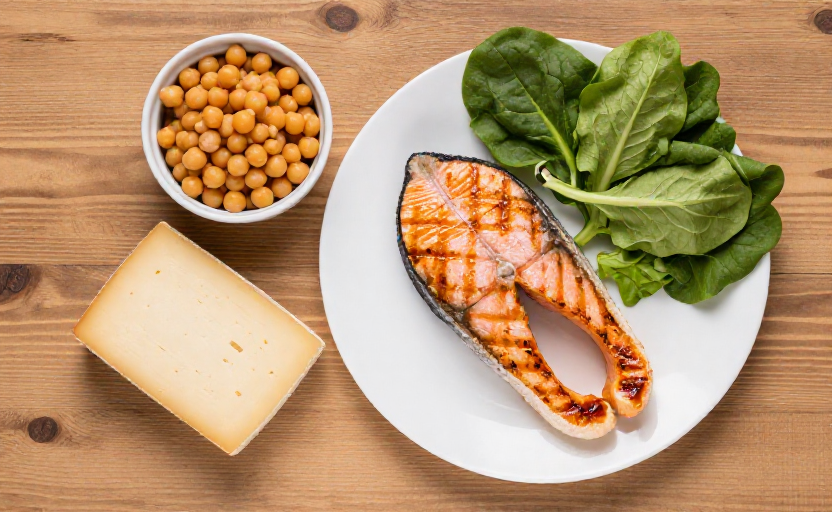
For anyone trying to conceive, understanding what supports ovulation is a key part of the journey. While many factors influence reproductive health—stress, sleep, and underlying medical conditions—what you eat plays a surprisingly direct role. Research increasingly shows that certain nutrients can help regulate the menstrual cycle, support hormone balance, and improve the regularity of ovulation.
Rather than turning to extreme diets or unproven supplements, focusing on whole, nutrient-dense foods is a gentle, evidence-based way to nourish your body. Here are three foods, backed by scientific research, that may help promote more consistent ovulation.
Full-Fat Dairy: More Than Just Calcium
For years, low-fat dairy was marketed as the healthier choice, but when it comes to fertility, full-fat options may have an edge. A landmark study from the Nurses' Health Study II found that women who consumed one or more servings of full-fat dairy each day had a significantly lower risk of ovulatory infertility compared to those who chose skim or low-fat versions.
The theory? Fat-soluble vitamins, such as vitamin D and vitamin K2, are more abundant in whole milk, yogurt, and cheese. Additionally, full-fat dairy may help the body better absorb these nutrients, which are critical for hormone production. Removing fat from dairy can also disrupt the balance of reproductive hormones, potentially making ovulation less predictable.
A practical tip: A small serving of plain whole-milk yogurt or a slice of full-fat cheese with a meal can be an easy way to include this food group without overdoing it.
Beans and Lentils: The Fiber–Hormone Connection
Legumes—think chickpeas, black beans, lentils, and edamame—are one of the most underrated foods for ovulation regularity. They are rich in soluble fiber, which helps the body excrete excess estrogen through the digestive tract. When estrogen levels are balanced, the menstrual cycle can regulate itself more naturally.
Additionally, legumes provide a steady source of plant-based protein and iron. Both are important for egg quality and for preventing anemia, which can interfere with ovulation. A 2018 study published in Human Reproduction suggested that replacing animal protein with plant protein from beans or lentils was associated with a lower risk of ovulatory infertility.
How to Add Them to Your Plate
Swap half the meat in a stir-fry or soup for cooked lentils, or toss chickpeas into a salad. Aim for about half a cup per serving, a few times a week.
Fatty Fish: Omega-3s and Inflammation Control
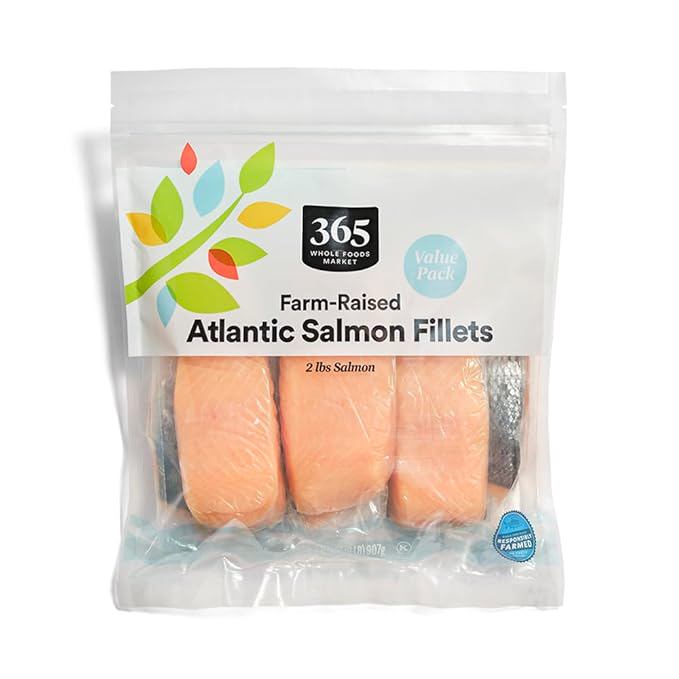
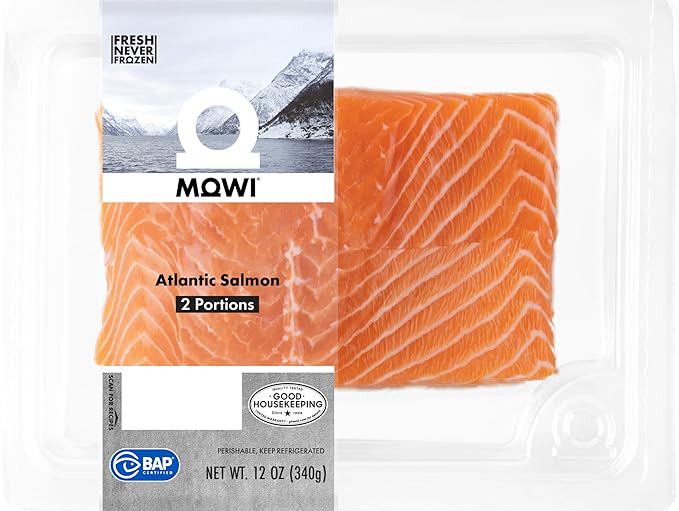
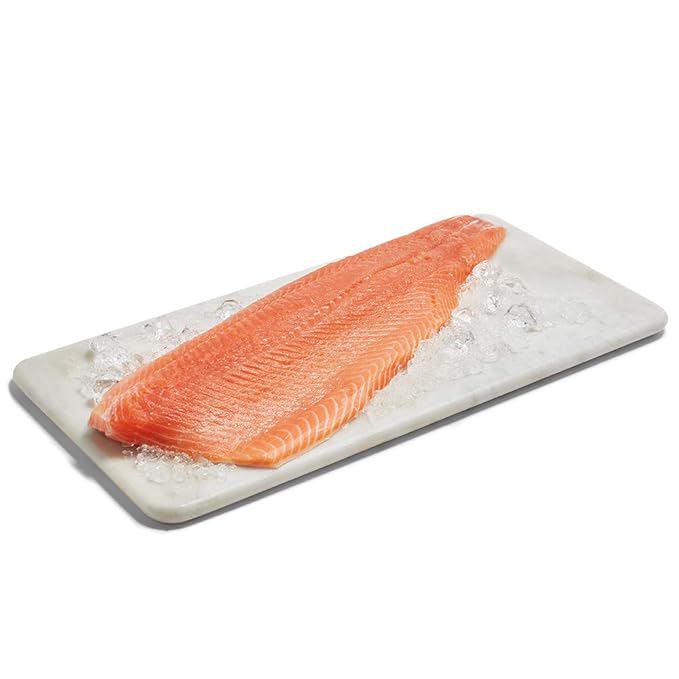
Salmon, mackerel, sardines, and trout are packed with long-chain omega-3 fatty acids—specifically EPA and DHA. These fats are known to reduce systemic inflammation, which can otherwise disrupt the delicate signaling between the brain and ovaries.
In a study of women with polycystic ovary syndrome (PCOS), a condition that often causes irregular ovulation, those who took omega-3 supplements showed improvements in menstrual regularity and reduced androgen levels. While whole fish is preferred over supplements for most people, the principle remains the same: getting enough omega-3s helps calm the inflammatory responses that can throw ovulation off course.
Fatty fish also provides vitamin D, which has its own line of research connecting low levels to ovulatory problems. Eating two to three servings of fatty fish per week is a simple way to support both your hormone health and your overall well-being.
Putting It All Together
These three food categories—full-fat dairy, legumes, and fatty fish—work in different but complementary ways. Dairy supports hormone absorption, legumes help clear excess estrogen, and fish reduces inflammation. Together, they create a dietary pattern that encourages consistent, healthy ovulation.
It is worth remembering that no single food is a magic bullet. A diet that also includes plenty of colorful vegetables, whole grains, and healthy fats like olive oil or avocado will provide a broader foundation. Staying hydrated and limiting ultra-processed foods and added sugars can further support your cycle.
If you are working with a healthcare provider—such as a reproductive endocrinologist or a registered dietitian—they can help you tailor these suggestions to your specific needs, especially if you have a condition like PCOS, endometriosis, or thyroid issues.