
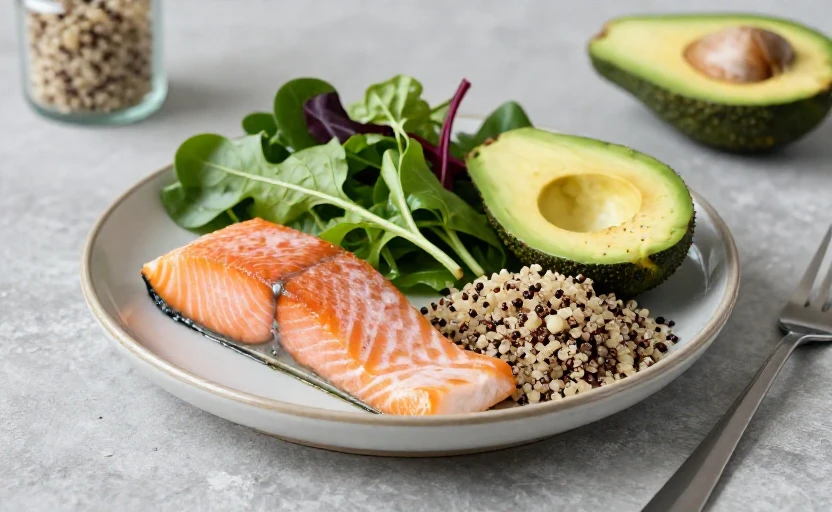
Workplace burnout can leave you feeling depleted, foggy, and emotionally frayed. While systemic change and rest are foundational to recovery, the food you choose can be a powerful, daily tool to support your nervous system and rebuild your energy reserves. It’s not about a restrictive diet, but about strategically nourishing a body and mind under significant stress.
Think of your plate as part of your recovery protocol. Certain foods provide the raw materials your brain and body desperately need to regulate mood, reduce inflammation, and restore cognitive function. Others can subtly undermine your progress. Here’s a closer look at what to prioritize and what to be mindful of as you heal.
Foods to Prioritize for Burnout Recovery
When you’re burned out, your body is often in a state of chronic stress, which depletes specific nutrients and creates inflammation. The goal is to eat for stability—steady energy, calm, and repair.
1. Omega-3 Rich Fatty Fish
Fatty fish like salmon, mackerel, sardines, and anchovies are among the best sources of the omega-3 fatty acids EPA and DHA. These fats are crucial for brain health. They are fundamental building blocks of brain cell membranes and have potent anti-inflammatory effects.
Chronic stress and burnout are linked to increased inflammation in the body and brain, which can exacerbate feelings of fatigue and low mood. Regularly including these fats helps counteract that process. Research suggests omega-3s may support neurotransmitter function and are associated with improved mood regulation.
Aim to include a serving of fatty fish at least twice a week. For a plant-based option, consider algae-based supplements, as the conversion of ALA from flax or walnuts to the more active EPA and DHA is inefficient in the body.
2. Complex Carbohydrates and Fiber
When energy is perpetually low, the temptation for a quick sugar hit is strong. However, that leads to a crash that can intensify fatigue and irritability. The steadier alternative is complex carbohydrates.
Foods like oats, quinoa, sweet potatoes, beans, lentils, and whole-grain bread are rich in fiber. They digest slowly, providing a gradual release of glucose into your bloodstream. This steady fuel supply helps avoid the energy spikes and plummets that destabilize mood and focus. Furthermore, fiber feeds the beneficial bacteria in your gut, and a healthy gut microbiome is increasingly understood to be intimately connected to stress resilience and mental well-being through the gut-brain axis.
3. Magnesium-Rich Foods
Magnesium is a mineral that acts as a natural relaxant for your nervous system. It’s involved in over 300 biochemical reactions in the body, including those that regulate the stress response, muscle relaxation, and sleep. Chronic stress can deplete magnesium stores, creating a vicious cycle where low magnesium makes you feel more stressed.
Incorporating magnesium-rich foods is a gentle way to support your body’s calm. Excellent sources include:
- Leafy greens: Spinach, Swiss chard, and kale.
- Nuts and seeds: Pumpkin seeds, almonds, and cashews.
- Legumes: Black beans and edamame.
- Avocados and bananas.
Adding a handful of pumpkin seeds to a salad or blending spinach into a smoothie are simple, effective ways to boost your intake.
The One Food Pattern to Be Wary Of
It’s less about a single forbidden food and more about a common pattern that can hinder recovery: relying on ultra-processed foods and added sugars as primary fuel.
While the occasional treat is not the issue, making fast food, sugary snacks, packaged meals, and sweetened drinks your dietary mainstay can work against you. These foods are typically high in refined sugars, unhealthy fats, and salt, while being low in the vitamins, minerals, and fiber your body needs to recover.
This pattern can promote inflammation, destabilize blood sugar (leading to mood swings and energy crashes), and negatively impact gut health. During burnout, when cooking feels like a monumental task, the convenience of these foods is understandable. The shift isn’t about perfection, but about gentle awareness. Could you keep frozen vegetables on hand for a quick stir-fry? Or pair that convenient snack with a handful of nuts for some protein and fat to slow the sugar rush?
The aim is to reduce the reliance on these foods, not to create a new source of stress by eliminating them entirely. Start with one meal or snack a day where you choose a more nourishing option.
Building a Nourishing Routine
When you’re recovering, simplicity and consistency beat complexity. You don’t need elaborate recipes.
Focus on building balanced plates: combine a complex carbohydrate (like quinoa or sweet potato), a quality protein (like salmon, lentils, or tofu), and a generous portion of colorful vegetables. This combination supports sustained energy and nutrient intake.
Hydration is also easily overlooked. Even mild dehydration can amplify feelings of fatigue and brain fog. Keep a water bottle nearby as a visual reminder.
Finally, practice mindful eating when you can. Burnout often disconnects us from our body’s signals. Taking a few deep breaths before a meal, eating away from your screen, and chewing slowly can improve digestion and help you tune into feelings of hunger and fullness.
Nutrition is one strand in the tapestry of burnout recovery. By choosing foods that actively support your nervous system and energy levels, you provide your body with the foundational support it needs to heal, making space for the other crucial elements—like rest, boundaries, and professional support—to do their work.