
Morning is a vulnerable time for your cardiovascular system. When you live with a heart murmur — typically an extra or unusual heart sound caused by turbulent blood flow — what you put on your plate at breakfast can directly influence how your heart works for the rest of the day. While a murmur itself isn’t a disease, it can signal underlying valve issues or structural concerns that deserve thoughtful nutrition.
The three foods below are common breakfast staples that pose specific problems for someone managing a heart murmur. Avoiding them doesn't mean a bland morning. It means making strategic swaps that support steady blood pressure, healthy fluid balance, and stable energy — all of which reduce unnecessary strain on your heart valves.
1. Sugary Breakfast Cereals and Pastries
The most obvious culprit isn't bacon or eggs — it's the bowl of brightly colored cereal or the danish you grab on the way out the door. Highly refined carbohydrates and added sugars trigger a rapid spike in blood glucose, followed by a surge of adrenaline and cortisol.
For someone with a heart murmur, this metabolic roller coaster can increase heart rate and cardiac output, putting extra mechanical stress on already compromised valve tissue. A 2021 review in Nutrients linked high-glycemic breakfasts to increased sympathetic nervous system activity, which can amplify heart rate variability in ways that feel unsettling when you're already aware of your heartbeat.
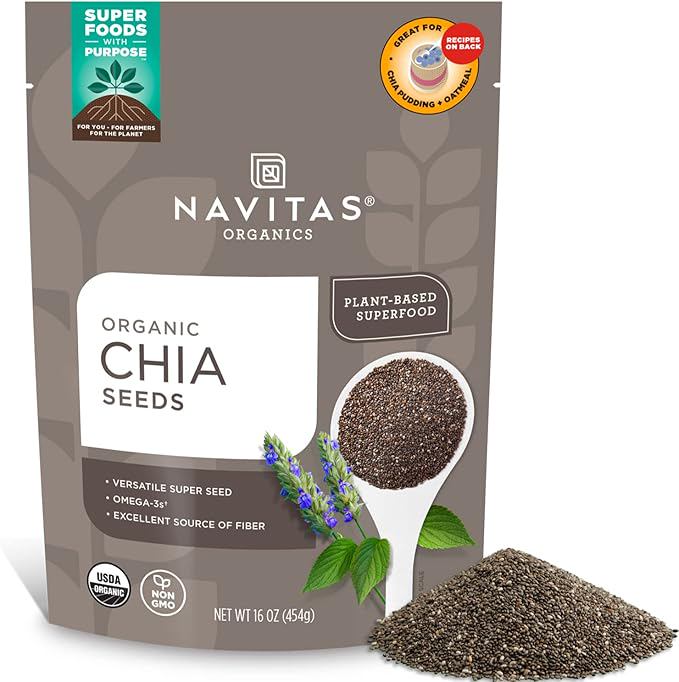
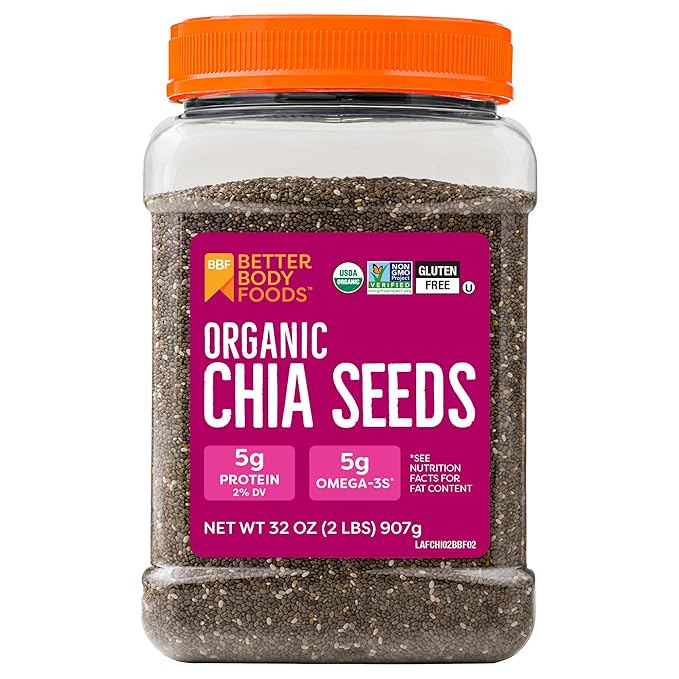
The practical swap: Steel-cut oats or overnight chia pudding with a handful of walnuts and berries. The fiber and healthy fats blunt the glucose response and keep your morning heart rhythm steady.
2. Processed Breakfast Meats
Bacon, sausage, and even some deli-style turkey breakfast strips are loaded with sodium and nitrates. A single serving of two strips of bacon contains around 370 mg of sodium — roughly a quarter of the daily limit recommended by the American Heart Association for most adults. For someone with a heart murmur, excess sodium leads to fluid retention, which increases blood volume and elevates cardiac workload.
Nitrates, while less discussed, can affect vascular tone. Over time, these preservatives may contribute to endothelial dysfunction, making blood vessels less flexible and forcing the heart to pump against greater resistance. Since a murmur already indicates turbulent flow, any added resistance compounds the problem.
If you're accustomed to savory protein in the morning, consider plain scrambled eggs or a plant-based alternative like a whole-food veggie patty. Monitor sodium content closely — many meat alternatives contain as much or more salt than the real thing.
3. Caffeinated Coffee on an Empty Stomach
This one is sensitive because coffee is a ritual for many people. The issue isn't coffee itself — moderate intake is generally well-tolerated in healthy hearts. But for someone with a heart murmur, drinking strong black coffee first thing on an empty stomach can trigger a disproportionate catecholamine response, raising both heart rate and blood pressure quickly.
Because the stomach is empty, absorption is faster, and the peak blood concentration of caffeine hits sooner and harder. This can make the heart feel as though it's "pounding" or "skipping" — sensations that are especially concerning if you're monitoring a murmur. A 2023 meta-analysis in Frontiers in Cardiovascular Medicine noted that while habitual coffee drinkers adapt, non-habitual use or large single doses on an empty stomach can transiently increase ventricular ectopy — extra heartbeats that can feel alarming with a murmur.
The practical approach: If coffee is non-negotiable, eat a small, balanced meal first — something with protein and fat like a boiled egg or half an avocado on toast. Or switch to a lower-acid, lower-caffeine option like a latte with milk, which buffers absorption.
Morning Habits That Support Your Heart Valve
Beyond avoiding these three foods, the structure of your breakfast matters. Eating too quickly, skipping breakfast entirely, or consuming very large volumes of fluid at once can also affect venous return and cardiac output. Small, consistent meals that are low in sodium, moderate in complex carbohydrates, and rich in potassium (from fruits like bananas and cantaloupe) help maintain electrolyte balance that supports healthy heart muscle contractions.
Hydration is critical, but shoot for steady sipping rather than gulping a full glass of water with breakfast. Rapid changes in blood volume can temporarily alter the intensity of a murmur’s sound — not a danger in itself, but it can cause unnecessary anxiety.
When to Talk to Your Doctor
Dietary changes can reduce the burden on your heart, but they do not replace medical evaluation. If your heart murmur was discovered recently, has changed in intensity, or is accompanied by symptoms like shortness of breath, chest discomfort, or unusual fatigue, these need professional assessment. Some murmurs are benign (innocent murmurs), while others indicate valve disease that may eventually require treatment.
Your cardiologist or primary care provider can help determine the specific cause of your murmur and whether any underlying condition — such as mitral valve prolapse, aortic stenosis, or a septal defect — would benefit from additional dietary restrictions beyond what’s listed above.