
When sexual pleasure feels out of reach, it is easy to wonder if something is wrong. For many people, difficulty reaching orgasm is not about desire or partnership—it is about physiology. Healthy blood flow is essential for arousal and climax, and what you eat plays a direct role in circulation. While no food is a magic cure, certain nutrients can support vascular health and may help you reconnect with your body's natural response.
Below are three foods that research and clinical experience suggest may improve blood flow and, in turn, support orgasmic function. As with any health change, individual results vary, and persistent difficulties should be discussed with a healthcare provider.
Watermelon: More than a summer snack
Watermelon contains citrulline, an amino acid that the body converts into arginine. Arginine helps produce nitric oxide, a molecule that relaxes blood vessels and improves circulation. Better blood flow to the pelvic region can enhance sensitivity and arousal. One small study found that daily watermelon extract improved penile erection hardness in men with mild erectile dysfunction, but the logic extends to anyone who needs good vascular response for orgasm.
Eating a couple of cups of fresh watermelon or drinking pure watermelon juice on an empty stomach may offer a gentle, natural boost. The effect is not instant—consistent intake over days or weeks appears more effective than a single serving.
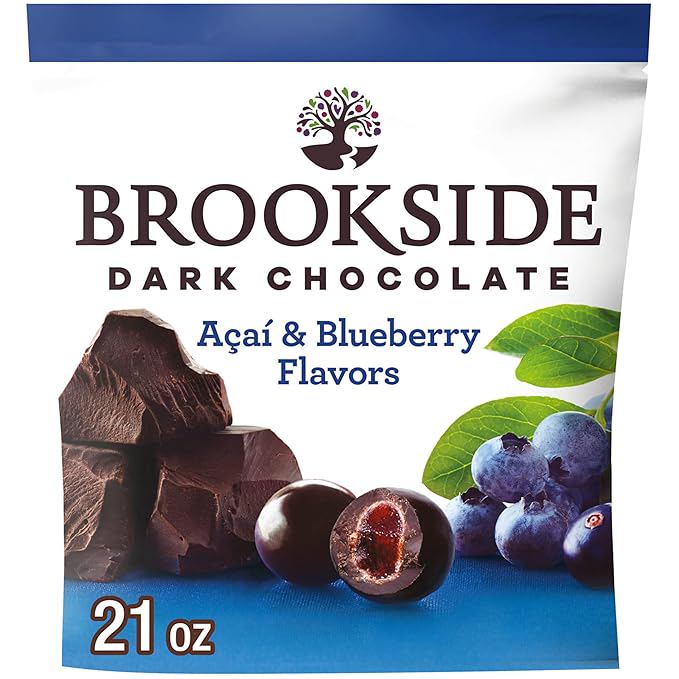
Dark chocolate: A flavonoid powerhouse
Dark chocolate is rich in flavanols, plant compounds that stimulate nitric oxide production and improve endothelial function (the lining of blood vessels). Better endothelial function means arteries can dilate more easily, increasing blood flow throughout the body—including to the genitals.
Choose chocolate that contains at least 70 percent cocoa to get meaningful flavanol levels. A square or two daily is plenty: excess sugar and fat can counteract vascular benefits. Some people notice improved arousal and lubrication after including dark chocolate regularly, though formal studies on orgasm specifically are limited.
A steady supply of flavonoids supports the same nitric oxide pathway that arousal medications target—without the side effects.
Pomegranate: Antioxidant-rich circulation support
Pomegranate juice and seeds are packed with polyphenols, antioxidants that protect blood vessels from oxidative stress and improve blood flow. Animal and human studies suggest that pomegranate consumption can increase erectile function and sexual desire in both men and women, likely by enhancing nitric oxide availability.
One pilot study involving men with erectile dysfunction found that those who drank pomegranate juice daily for four weeks reported improvements in erection quality compared to a placebo group. While more research is needed specifically for female orgasm, the underlying vascular mechanism is identical. A glass of pure pomegranate juice (without added sugar) or a handful of seeds can be an easy addition to your daily routine.
How food fits into the bigger picture
Blood flow alone rarely resolves persistent orgasm difficulties. Stress, medication side effects, hormonal changes, relationship dynamics, and past trauma all play major roles. However, improving circulation is one of the few modifiable physical factors you can address with diet.
Pair these foods with regular aerobic exercise (which also boosts nitric oxide), adequate hydration, and pelvic floor relaxation. Avoid smoking and excessive alcohol, both of which constrict blood vessels. If orgasm difficulties persist for more than a few months, consider consulting a pelvic floor physical therapist or a sexual medicine specialist.
Remember: your body is not broken. Sometimes it just needs the right raw materials—like nitric oxide precursors from watermelon, flavonoids from dark chocolate, and polyphenols from pomegranate—to do its job well.