For anyone who experiences heavy menstrual bleeding, the monthly cycle can feel like a major disruption. While there are many reasons for a heavy flow—hormonal imbalances, fibroids, or conditions like endometriosis—diet is one area where small changes can sometimes make a real difference. Certain foods can promote inflammation or affect estrogen levels, potentially making heavy bleeding worse. Below, we look at three types of foods that may aggravate heavy bleeding, and what you can eat instead to support a calmer, more balanced cycle.
Red meat and processed meats
A diet high in red meat—especially fatty cuts—and processed meats like bacon, sausages, and deli meats can promote inflammation in the body. These foods are rich in arachidonic acid and advanced glycation end-products (AGEs), both of which can increase the production of hormone-like compounds called prostaglandins.
Prostaglandins are directly involved in uterine contractions and the shedding of the endometrial lining. When levels are too high, contractions can become more intense and bleeding may be heavier. For women with endometriosis, the inflammatory environment is already heightened, and these foods can add fuel to the fire.
What to eat instead: Choose leaner sources of protein like skinless poultry, wild-caught fish (especially salmon, mackerel, and sardines), or plant-based options such as lentils, chickpeas, and tofu. Fatty fish, in particular, provides omega-3 fatty acids, which help reduce inflammation and can counteract the effects of pro-inflammatory prostaglandins.
Dairy products
Dairy is a common source of dietary estrogen, as milk and cheese naturally contain estrogens from cows—especially if the animals are pregnant during milking. Since heavy bleeding is often tied to estrogen dominance (an imbalance between estrogen and progesterone), consuming dairy may worsen the cycle of heavy periods for some people.
Additionally, dairy can be mucus-forming and pro-inflammatory for certain individuals, which can exacerbate pelvic pain and congestion in conditions like endometriosis. It's worth noting that not everyone reacts the same way, but if you notice a correlation between heavy bleeding and dairy consumption, it may be worth trying a short-term elimination.
What to eat instead: Unsweetened almond milk, oat milk, or coconut milk work well as substitutes. For calcium, turn to leafy greens like kale and collard greens, or fortified plant-based milks. If you need a cheese-like flavor, nutritional yeast provides a savory kick along with B vitamins.
High-glycemic carbohydrates and added sugars
White bread, pastries, sugary cereals, candy, and soda cause rapid spikes in blood sugar. The body responds by releasing more insulin, which can stimulate the ovaries to produce more estrogen. Over time, this pattern contributes to the estrogen dominance that often drives heavy bleeding and fibroid growth.
Refined sugars also promote systemic inflammation and can worsen pain associated with heavy periods. Steady blood sugar levels, on the other hand, support more stable hormone production and less overall menstrual discomfort.
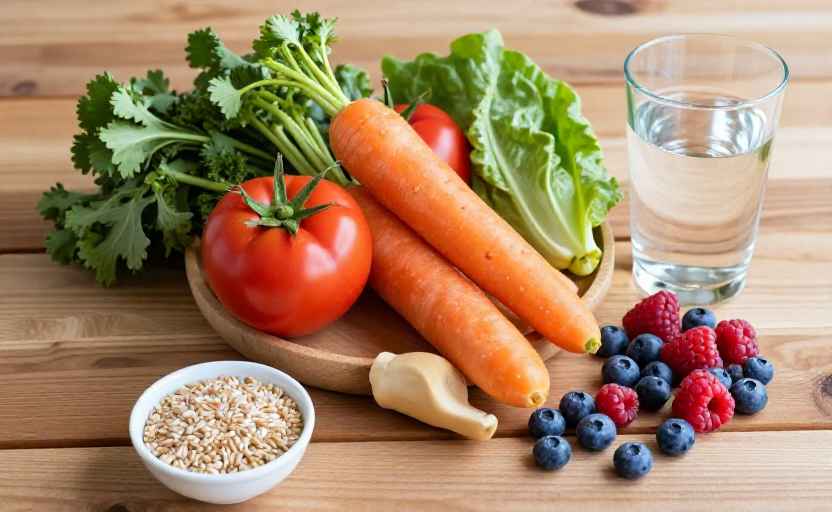
What to eat instead: Replace refined grains with whole, fiber-rich options like quinoa, brown rice, oats, and buckwheat. For sweet cravings, fresh fruit (especially berries and cherries) provides natural sweetness plus antioxidants that help lower inflammation. A square of dark chocolate (70% or higher) can satisfy a sugar craving without the same insulin spike.
Understanding why diet matters for heavy bleeding
Heavy menstrual bleeding—medically called menorrhagia—can stem from several causes, including uterine fibroids, endometriosis, adenomyosis, and hormonal imbalances. While diet alone won't fix a structural problem or cure a condition, it can influence the factors that affect bleeding volume and pain: estrogen levels, inflammation, and blood flow regulation.
Foods that are high in phytoestrogens (like flaxseed and soy), anti-inflammatory compounds (like turmeric and ginger), and iron (to offset blood loss) are often recommended by nutritionists and functional medicine practitioners. A Mediterranean-style diet—rich in vegetables, fruits, fish, olive oil, and legumes—has been shown to lower inflammatory markers and improve hormonal balance in women with heavy periods.
Lifestyle tips to complement dietary changes
Alongside adjusting your diet, a few habits can help manage heavy bleeding:
- Stay hydrated – Water helps maintain blood volume and reduces the risk of headaches and fatigue during your period.
- Exercise gently – Walking, yoga, or stretching can improve circulation and reduce pelvic congestion.
- Manage stress – High cortisol levels can disrupt the menstrual cycle. Deep breathing, meditation, or simply carving out quiet time each day can help.
- Track your cycle – Use an app or journal to note flow severity and food intake. Patterns may emerge that help you and your healthcare provider adjust your approach.
Always discuss any significant or sudden change in your menstrual bleeding with a healthcare professional, as heavy bleeding can sometimes signal an underlying condition that requires medical evaluation.
 Shifting toward an anti-inflammatory, whole-foods diet may help support a healthier menstrual cycle over time.