When we talk about thyroid health, the conversation usually circles back to iodine, selenium, and the mysterious way the gland influences nearly everything from your energy to your metabolism. But for those looking at the bigger picture—specifically, cancer prevention—diet plays a nuanced but meaningful role. The latest research doesn't point to a single magic pill; instead, it highlights consistent, wholesome eating patterns. Discussing this with registered dietitians who specialize in oncology, three categories of food surfaced repeatedly: cruciferous vegetables, selenium-rich Brazil nuts, and fatty fish.
Let’s be clear from the start: no single food can guarantee cancer prevention. The protective effects come from the cumulative impact of your overall diet, lifestyle, and genetics. However, these three foods are backed by robust epidemiological data and biological mechanisms that suggest they can help lower your risk profile for thyroid cancer. Here is what the evidence says, broken down into practical, actionable bits.
Why Cruciferous Vegetables Stand Out for Thyroid Protection
You have likely heard the old wives' tale that broccoli and kale are “bad for the thyroid” because of goitrogens—compounds that can interfere with thyroid function in large, raw amounts. What many miss is the nuance: for most people, especially those with a healthy iodine intake, the cancer-protective benefits of crucifers far outweigh any theoretical risk.
Dr. Alyssa Tatum, a registered dietitian specializing in endocrine cancers, explains that cruciferous vegetables like broccoli, kale, Brussels sprouts, and cauliflower contain glucosinolates. When chopped, chewed, or digested, these compounds break down into bioactive molecules—specifically isothiocyanates and indole-3-carbinol—that have shown anti-cancer potential in laboratory and population studies.
Tip: Lightly steaming or roasting cruciferous vegetables reduces goitrogenic activity while still preserving their cancer-fighting compounds. Aim for at least one serving (about a cup) most days of the week.
Large-scale observational studies, including the long-running Nurses' Health Study, have found that higher intake of cruciferous vegetables is associated with a modestly reduced risk of differentiated thyroid cancer, the most common form. The mechanism appears to be a combination of antioxidant action and the ability of these compounds to support the body's natural detoxification pathways, particularly for environmental carcinogens that may affect the thyroid.
Interestingly, the way you prepare them matters. One 2020 study found that the bioavailability of cancer-fighting compounds increased significantly when vegetables were chopped and allowed to sit for 30–40 minutes before cooking. A simple trick that fits into any prep day.
The Selenium Muscle: Brazil Nuts as a Precision Tool
Selenium may be the single most important trace mineral for the thyroid. The gland has the highest concentration of selenium per gram of tissue in the entire body, because it uses the mineral to produce key enzymes—glutathione peroxidases—that protect thyroid cells from oxidative damage. Oxidative stress is a known driver of DNA mutations that can lead to cancer.
Brazil nuts are the undisputed champion of selenium concentration. Just one nut provides roughly 70–90 micrograms of selenium, which already meets or exceeds the daily recommended intake of 55 mcg for adults. “A single Brazil nut a day is more than enough,” says dietitian and thyroid health researcher Martina Chen. “More is not better here—selenium toxicity (selenosis) is real and can cause symptoms like brittle nails, hair loss, and even nerve damage.”
She advises sticking to no more than 1–2 Brazil nuts per day. You can simply eat them raw as a snack, chop them over oatmeal or salads, or blend them into a smoothie. The key is consistency, not quantity. Other good sources of selenium include yellowfin tuna, sardines, eggs, and sunflower seeds—but none pack the same density per calorie as the humble Brazil nut.
From a statistical perspective, a meta-analysis published in the Journal of Clinical Endocrinology & Metabolism found that adequate selenium status was inversely associated with thyroid cancer risk, particularly among people living in selenium-deficient regions (which includes parts of Europe and China, but less frequently the United States due to soil variability). Notably, those with the highest selenium levels had a roughly 30% lower risk of thyroid cancer compared to those with the lowest levels.
It is critical to note that selenium supplements have never shown a consistent benefit in cancer prevention trials aimed at the general public, and some even suggest increased risk for certain cancers at high doses. Food sources, especially in moderate amounts, appear to be the safest bet.
Fatty Fish: The Omega-3 and Vitamin D Duo
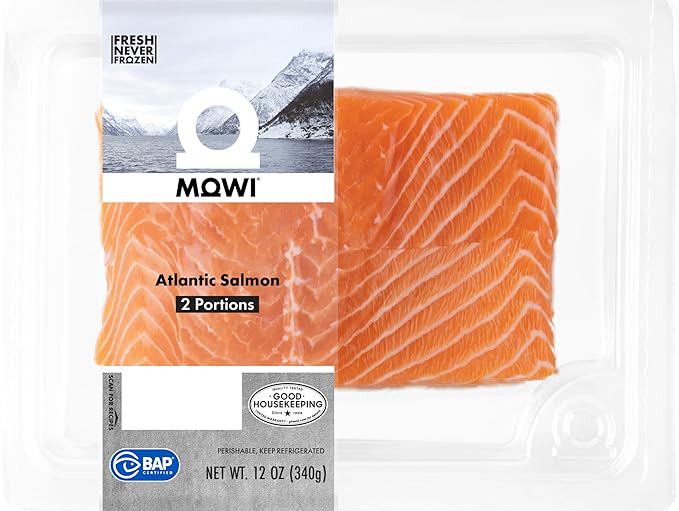
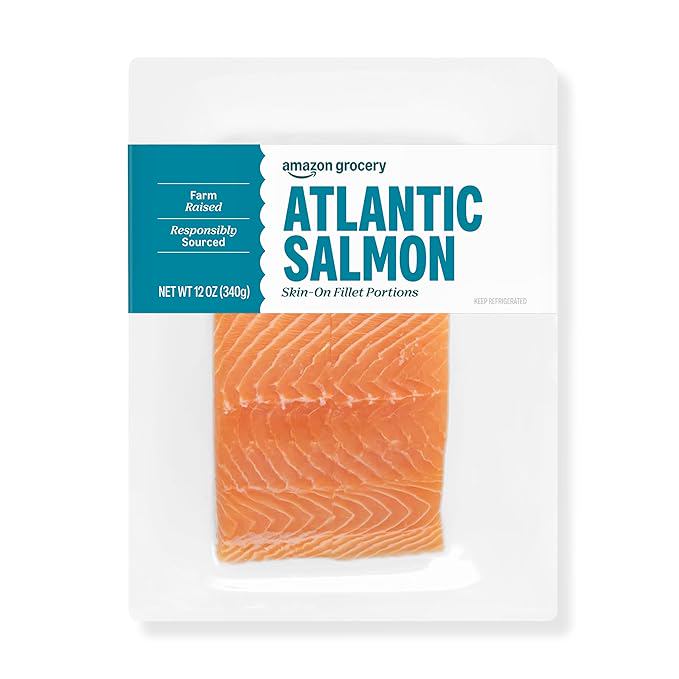
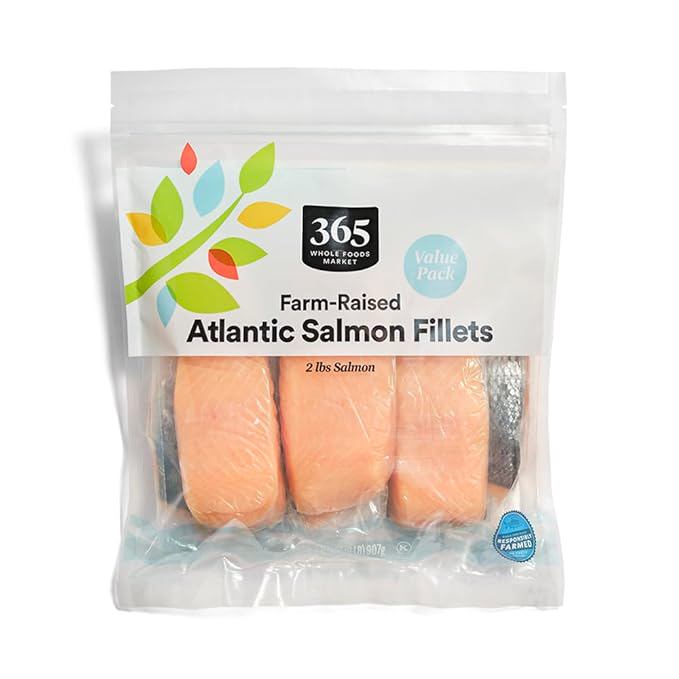
Fatty fish—think salmon, mackerel, sardines, herring, and anchovies—do double duty for the thyroid. They are among the few natural dietary sources of vitamin D, and they provide long-chain omega-3 fatty acids (EPA and DHA), both of which are linked to reduced inflammatory tone and potentially lower cancer risk.
Inflammation is a known contributor to oncogenesis, and the thyroid is not immune. Chronic inflammation can damage the follicular cells of the gland, increasing the risk of mutations. A 2022 case-control study in Sweden found that women who consumed fish three or more times per week had a nearly 25% lower risk of papillary thyroid cancer compared to those who ate it less than once a week. The pattern held even after adjusting for iodine intake and other dietary factors.
The vitamin D connection is also worth highlighting. Multiple studies have flagged low vitamin D levels as a risk factor for thyroid cancer, and fatty fish are one of the few whole-food sources that can meaningfully raise your serum levels. Of course, sunlight remains the most efficient source, but in northern latitudes or during winter months, two servings of fatty fish per week can help maintain adequate status.
What about mercury? It is a valid concern, but for most adults, the cancer-preventive benefits of moderate fish consumption outweigh the risks. The FDA recommends 8–12 ounces of low-mercury fish (which includes salmon, sardines, and cod) per week. Avoid high-mercury species like king mackerel, tilefish, and swordfish.
None of these three foods work in isolation. They are best embedded in a Mediterranean-style diet rich in fruits, vegetables, whole grains, legumes, and healthy fats—a pattern consistently associated with lower cancer risk across multiple sites. But if you had to pick three to focus on for thyroid-specific reasons, this is where the evidence lands: broccoli and its cousins for their detoxifying compounds, Brazil nuts for targeted selenium support, and fatty fish for their anti-inflammatory and vitamin D payload.
One final note: if you have a known thyroid condition like Hashimoto's or are taking levothyroxine, talk with your doctor or dietitian before making significant dietary changes. For example, high-fiber cruciferous vegetables and calcium-rich fish can affect medication absorption if timed incorrectly. The general rule is to take thyroid medication on an empty stomach and wait at least 30–60 minutes before eating.