
Vaginal dryness is one of the most common—and least discussed—symptoms of menopause. As estrogen levels decline, vaginal tissues can become thinner, less elastic, and less lubricated. This can make daily life uncomfortable and intimacy painful. While there are medical treatments available, many people also look for dietary ways to support their body from the inside out. Below are three foods that may help reduce vaginal dryness linked to menopause, based on how they support hormone balance, hydration, and tissue health.
Why diet matters for vaginal health
Estrogen plays a key role in keeping vaginal tissues thick, elastic, and well-lubricated. When estrogen drops during menopause, the vagina can lose moisture and elasticity. While no single food can replace estrogen, certain nutrients can help support the body's natural hormone regulation and improve tissue hydration. A diet rich in phytoestrogens, healthy fats, and antioxidants is often recommended for managing menopausal symptoms, including dryness.
Soy and other phytoestrogen-rich foods
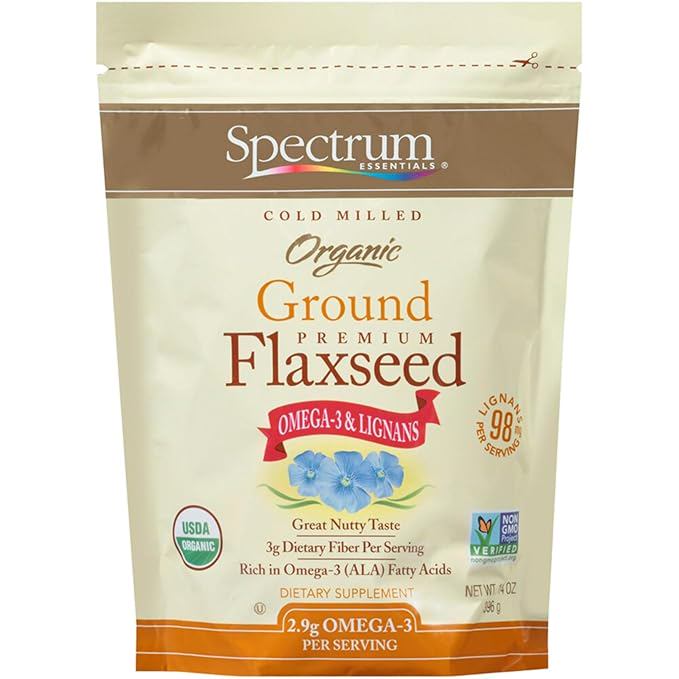
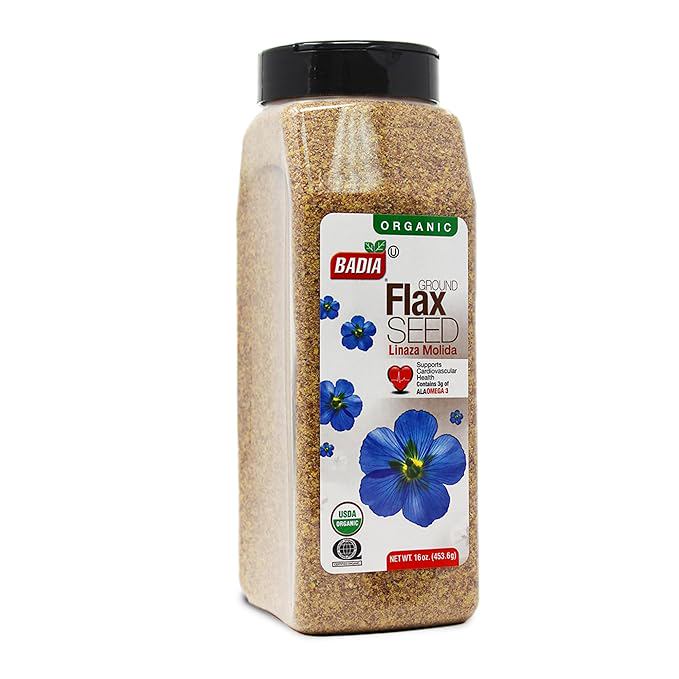
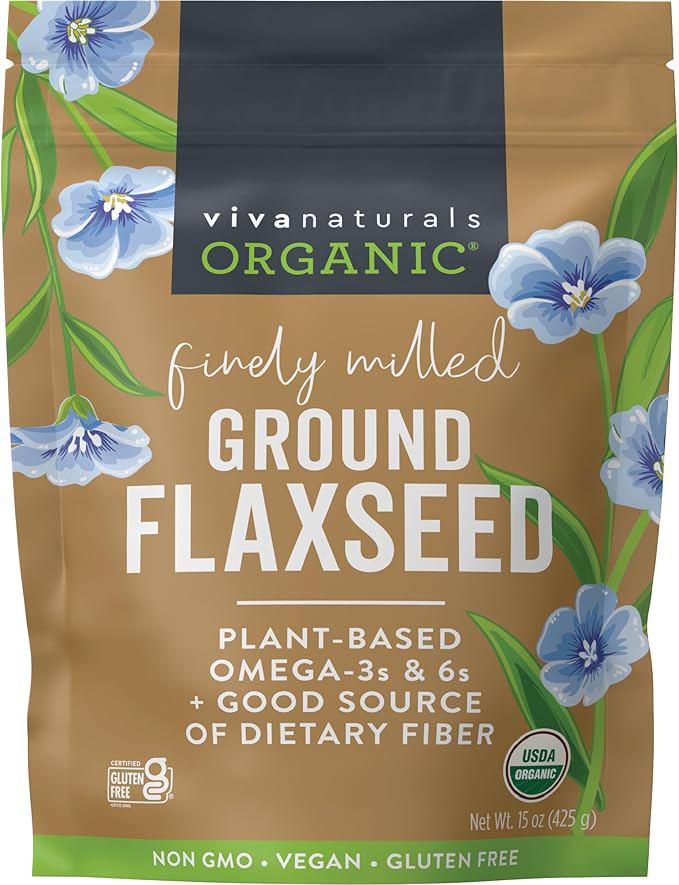
Phytoestrogens are plant compounds that can weakly mimic estrogen in the body. They may help offset some of the effects of lower estrogen levels during menopause. Soybeans, tofu, tempeh, edamame, and flaxseeds are some of the most well-studied sources. A 2021 review in the journal Menopause suggested that isoflavones—a type of phytoestrogen found in soy—may improve vaginal health by supporting moisture and tissue integrity. Even modest amounts, such as one serving of tofu or a tablespoon of ground flaxseed per day, may offer benefits over time.
Omega-3 fatty acids for moisture and inflammation
Omega-3 fats are known for their anti-inflammatory properties and their role in cell membrane health. For vaginal dryness, they may help by supporting better hydration at the cellular level. Fatty fish like salmon, mackerel, and sardines are excellent sources. Plant-based options include walnuts, chia seeds, and flaxseeds (which also contain phytoestrogens). A 2014 study by the North American Menopause Society found that women who took omega-3 supplements reported fewer menopause-related vaginal symptoms. While supplements are an option, incorporating these foods into your diet is a natural first step.
Water-rich fruits and vegetables
Dehydration can worsen vaginal dryness. Eating fruits and vegetables with high water content helps maintain overall hydration, which supports all mucous membranes, including those in the vagina. Cucumber, celery, watermelon, strawberries, and zucchini are over 90% water. They also provide antioxidants and vitamins that support skin and tissue health. Tip: Pair these with a source of healthy fat (like avocado or nuts) to help your body absorb fat-soluble vitamins and further support skin elasticity.
What about other foods?
Some women find that limiting caffeine, alcohol, and high-sugar foods helps reduce dryness, as these can be dehydrating or promote inflammation. An overall balanced diet with plenty of whole foods is the best foundation for managing menopausal symptoms.
A note on realistic expectations
Dietary changes are not a quick fix for vaginal dryness. They work best as part of a broader approach that may include over-the-counter lubricants, moisturizers, or prescription treatments like low-dose vaginal estrogen. If dryness is severe or affecting your quality of life, talk to your healthcare provider. The foods above are not a substitute for medical care, but they can be a supportive part of your wellness routine.
Think of these foods as gentle, long-term helpers—not a magic solution. Consistency matters more than a single "perfect" meal.
How to start
You don't need to overhaul your diet overnight. Try adding one serving of a phytoestrogen-rich food each day, include fatty fish twice a week, and snack on water-rich produce. Small, steady changes are more sustainable and can add up over weeks and months.