When anxiety feels like a constant hum in the background of your day, it’s natural to look for ways to turn down the volume. While professional support is essential, what you put on your plate can be a supportive part of your toolkit. Certain foods contain nutrients that play a direct role in brain chemistry and the body’s stress response. Think of it as nutritional support for your nervous system—a way to create a more resilient foundation from which to manage life’s pressures.
We spoke with dietitians to understand the science behind food and mood. The goal isn’t to find a magic cure, but to identify everyday foods that provide the specific vitamins, minerals, and compounds your brain uses to regulate emotions and maintain calm. Here are three food categories that consistently come up in the conversation for their potential anxiety-calming properties.
Fatty Fish: The Omega-3 Powerhouse
Salmon, mackerel, sardines, and anchovies are rich in two critical types of omega-3 fatty acids: EPA and DHA. These aren’t just good for your heart; they’re fundamental building blocks for your brain. DHA, in particular, is a major structural component of brain cell membranes, influencing how cells communicate.
“Research suggests that omega-3s have anti-inflammatory effects that may benefit the brain,” explains a registered dietitian. “Chronic, low-grade inflammation has been linked to mood disorders, including anxiety. By helping to modulate this inflammation, omega-3s can support a healthier stress response.”
Studies have shown that people who consume more omega-3 fatty acids may have lower levels of anxiety. While the exact mechanisms are still being explored, the connection is strong enough for experts to recommend making fatty fish a regular part of your diet.
Aim for two servings of fatty fish per week. If seafood isn’t an option, discuss algae-based supplements with your healthcare provider.
Fermented Foods: Cultivating Calm from the Gut Up
The link between your gut and your brain—often called the gut-brain axis—is a rapidly growing area of research. Your digestive system and brain are in constant communication via the vagus nerve and through chemical messengers. The community of bacteria in your gut, known as the microbiome, plays a starring role in this conversation.
Fermented foods like yogurt (with live cultures), kefir, kimchi, sauerkraut, kombucha, and miso are teeming with beneficial probiotics. These live bacteria help maintain a healthy, diverse gut microbiome. A balanced gut environment is associated with the production of neurotransmitters like serotonin, a significant portion of which is actually made in the digestive tract.
“When we support gut health with probiotic-rich foods, we’re indirectly supporting the production and regulation of chemicals that influence mood and anxiety,” notes a nutritionist specializing in mental health. It’s a tangible way to nourish your body’s internal ecosystem for mental well-being.
Complex Carbohydrates & Magnesium-Rich Foods
This category is a two-part approach focusing on steady energy and a crucial mineral.
First, complex carbohydrates like whole grains (oats, quinoa, brown rice), beans, lentils, and starchy vegetables. These foods help regulate blood sugar by providing a slow, steady release of glucose. Sharp spikes and crashes in blood sugar can mimic or exacerbate feelings of anxiety, such as jitteriness and irritability. Consistent energy from complex carbs helps avoid these physiological triggers.
Second, many of these same foods, along with others like spinach, nuts (especially almonds and cashews), seeds (pumpkin and chia), and dark chocolate, are excellent sources of magnesium. Magnesium is a mineral that acts like a natural relaxant for your nervous system. It helps regulate the body’s stress-response system and is involved in hundreds of biochemical reactions, including those that govern relaxation.
“Magnesium deficiency can manifest as symptoms that feel a lot like anxiety—restlessness, trouble sleeping, and muscle tension,” a dietitian points out. “Ensuring adequate intake through food is a foundational step for nervous system support.”
It’s important to frame this information with care. Food is a powerful form of self-care and a way to support your body’s innate capacity for balance, but it is not a substitute for therapy or medical treatment for an anxiety disorder. Think of these foods as part of a holistic approach—nourishing pieces of a larger puzzle that includes sleep, movement, social connection, and professional guidance when needed.
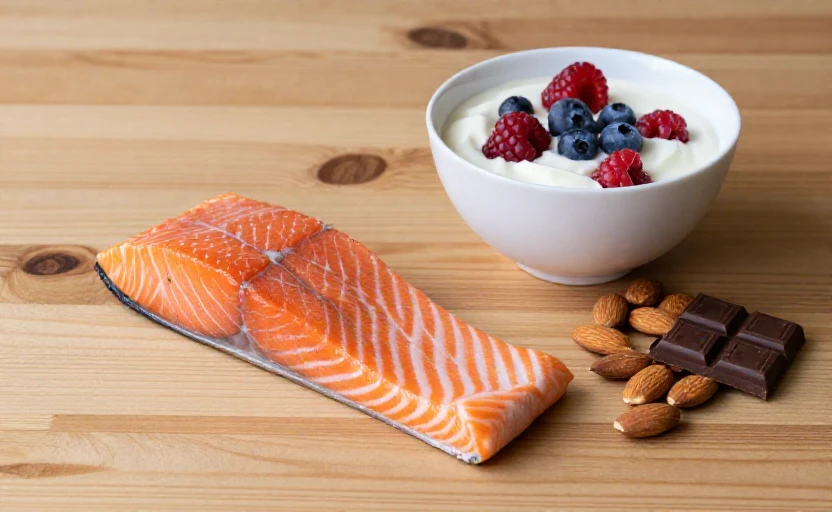
Start simply. You don’t need to overhaul your diet overnight. Consider adding a serving of salmon to your week, choosing plain yogurt with berries, or swapping a refined snack for a handful of almonds. Small, consistent choices to include these nutrient-dense foods can build a dietary pattern that genuinely supports your sense of calm and resilience.