
Hormonal birth control methods—pills, patches, rings, or IUDs—work by changing the body's natural hormone rhythms. While these methods are highly effective at preventing pregnancy and managing certain health conditions, they can also affect nutrient levels and, for some individuals, contribute to mood changes, bloating, or low energy. Dietitians who specialize in women's health point to three specific foods that can help support the body's natural hormone balance and ease some of these side effects.
Why birth control changes your nutrient needs
Oral contraceptives, in particular, have been shown to lower levels of certain nutrients. Estrogen in the pill affects how the liver processes vitamins and minerals. Key nutrients that can become depleted include magnesium, zinc, B vitamins (especially B6, B12, and folate), and vitamin C. A balanced diet rich in whole foods can help replenish these stores and keep the body’s systems running smoothly.
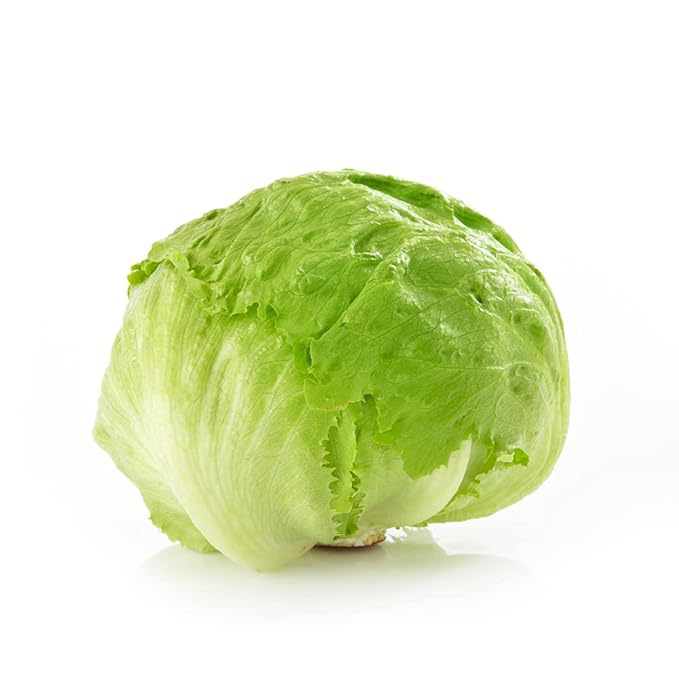
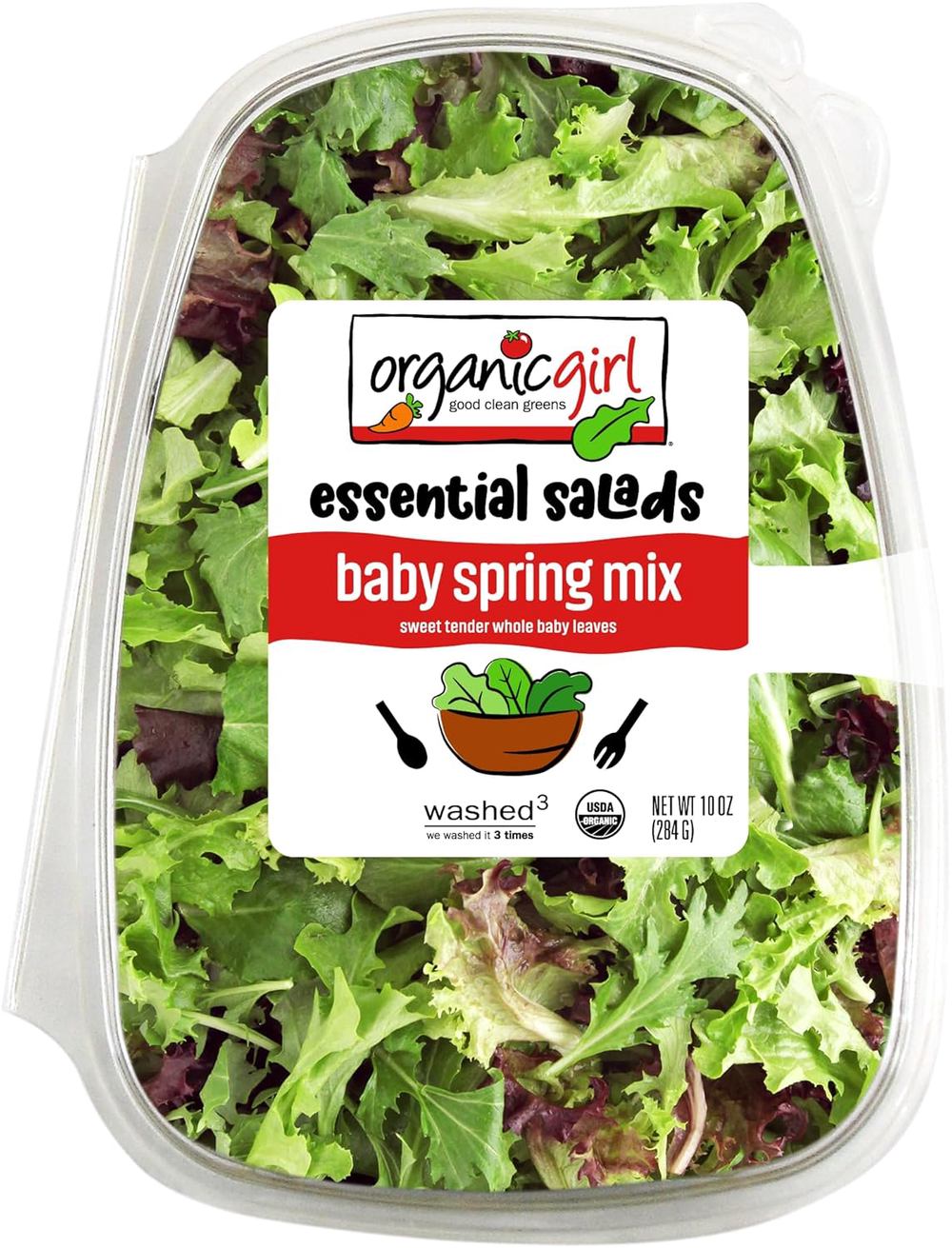
Food 1: Leafy greens for magnesium and B vitamins
Spinach, kale, Swiss chard, and other dark leafy greens are powerful allies for anyone on birth control. They are packed with magnesium, a mineral that supports nerve function and helps calm the nervous system. Many people report feeling more anxious or irritable on hormonal birth control, and magnesium can help counter that. Leafy greens also contain B vitamins, which are essential for converting food into energy. A single cup of cooked spinach provides about 40% of the daily value for magnesium, along with significant amounts of folate and vitamin B6.
"Incorporating a handful of greens into meals or smoothies each day can be a small change with big benefits for mood and energy levels during birth control use." — registered dietitian
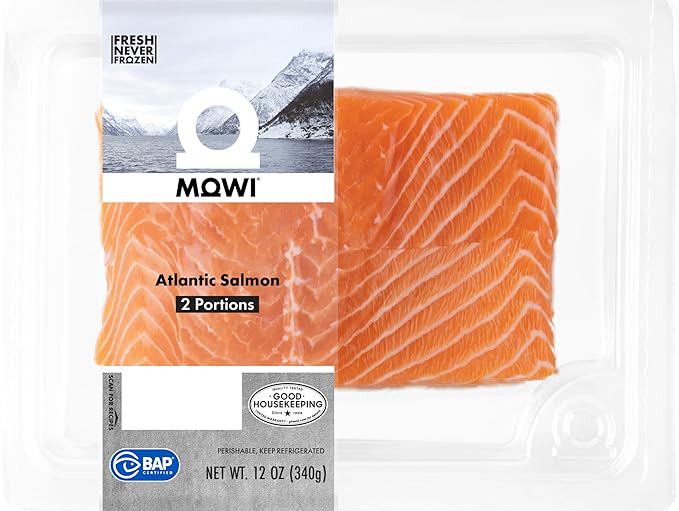
Food 2: Fatty fish for omega-3s and vitamin D
Salmon, sardines, mackerel, and trout offer a double benefit for women on birth control. First, these fish are among the best dietary sources of omega-3 fatty acids (EPA and DHA). Omega-3s are powerful anti-inflammatory compounds that can help reduce the body-wide inflammation that some people experience on hormonal contraceptives. They are also crucial for a stable mood and cognitive function. Second, fatty fish provide vitamin D, a nutrient that is often low in people using birth control pills. Low vitamin D levels have been linked to fatigue and a greater risk of bone loss—a concern for long-term pill users.
Aim for two servings (about 6–8 ounces total) of low-mercury fatty fish per week. If you prefer a plant-based option, a high-quality algae oil supplement can provide DHA, but whole food sources like fish also provide protein and selenium.
Food 3: Pumpkin seeds for zinc and magnesium
Pumpkin seeds are a concentrated source of zinc, a mineral that plays a role in hormone production and immune function. Birth control pills have been shown to reduce zinc levels in the body, which can affect everything from skin health to reproductive hormone balance. The magnesium in pumpkin seeds also helps regulate cortisol and supports a calm stress response. Just one ounce (about a quarter cup) of pumpkin seeds provides roughly 20% of the daily value for zinc and 35% for magnesium. They are easy to add to oatmeal, yogurt, salads, or just eat as a snack.
How to build a hormone-supportive plate
You don't need a complicated regimen. Dietitians suggest a simple, practical approach: aim to include one serving of leafy greens, a portion of fatty fish or a plant-based alternative, and a handful of seeds or nuts each day. Pair these with other nutrient-dense foods like berries, whole grains, and legumes to get a steady supply of fiber, which supports healthy digestion and helps the body eliminate excess hormones.
- Breakfast idea: A spinach and mushroom omelet topped with a few pumpkin seeds.
- Lunch idea: A large kale salad with canned salmon, lemon juice, and a sprinkle of sunflower seeds.
- Dinner idea: Grilled mackerel or trout served with a side of steamed Swiss chard and quinoa.
Is it safe to take supplements while on birth control?
While food sources are always the safest first step, some people may benefit from a targeted supplement, especially if they have a known deficiency. For example, a B-complex supplement can help maintain energy levels. However, it is important to talk with your healthcare provider before starting any supplement regimen. Certain nutrients, like high-dose vitamin A or St. John's wort, can interfere with the effectiveness of birth control pills. A doctor or dietitian can help you determine which nutrients you might be missing based on a blood test and your specific symptoms.
Foods to be mindful of
While these three foods are excellent additions, some foods can work against your goal of hormone balance. Highly processed foods, sugary snacks, and excessive alcohol can create inflammation and blood sugar swings, which may worsen mood and energy issues. Caffeine is another one to watch—birth control pill use can slow down caffeine metabolism, meaning that one cup of coffee might affect you more than it used to. If you are feeling jittery, consider cutting back or switching to half-caff.
Disclaimer: This article is for general health education purposes and does not replace personalized medical advice. Always consult with your healthcare provider for recommendations specific to your health and medication regimen.