
One rough night of sleep can throw your whole system off balance. You feel groggy, your appetite shifts, and your natural sleep cycle often struggles to reset on its own. While there is no quick fix for a missed night of rest, what you eat the next day plays a surprisingly direct role in how quickly your sleep hygiene recovers. Certain foods provide the raw materials your brain needs to produce melatonin, stabilize blood sugar, and signal relaxation. These three food choices are grounded in nutritional science—and they are simple enough to add to your day after a poor night.
How food connects to your sleep cycle
Your body runs on a circadian rhythm, and that rhythm depends partly on what you put on your plate. Nutrients like tryptophan, magnesium, and complex carbohydrates influence the production of sleep-regulating neurotransmitters and hormones. After a night of poor rest, your cortisol levels are typically higher, and your glucose metabolism is less efficient. Eating the right foods can help quiet that stress response and nudge your internal clock back toward a steady pattern. It is not about a single magic ingredient—it is about supporting your system with consistent, targeted nutrition.
The three foods that help reset your sleep hygiene
1. Tart cherries
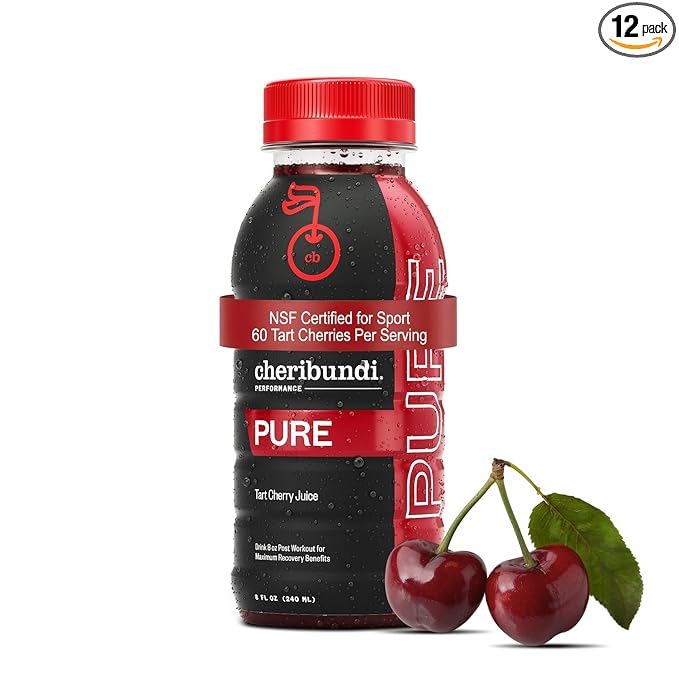
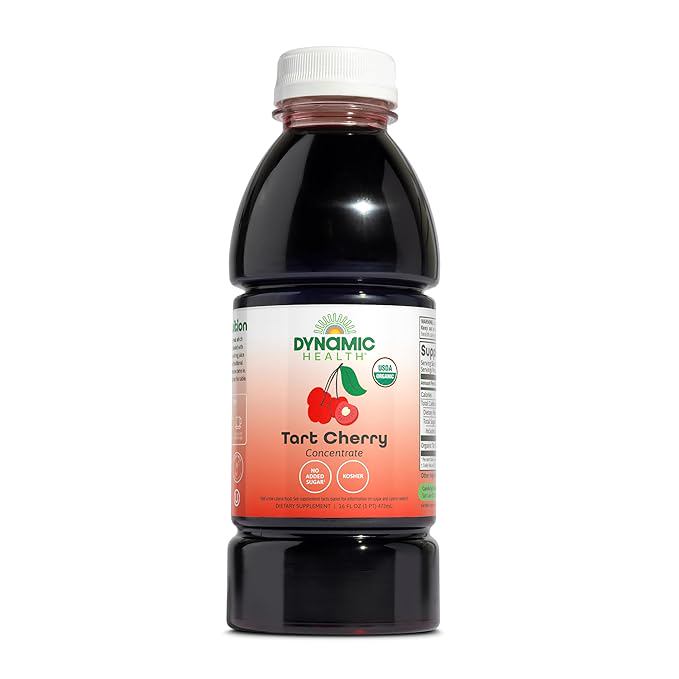
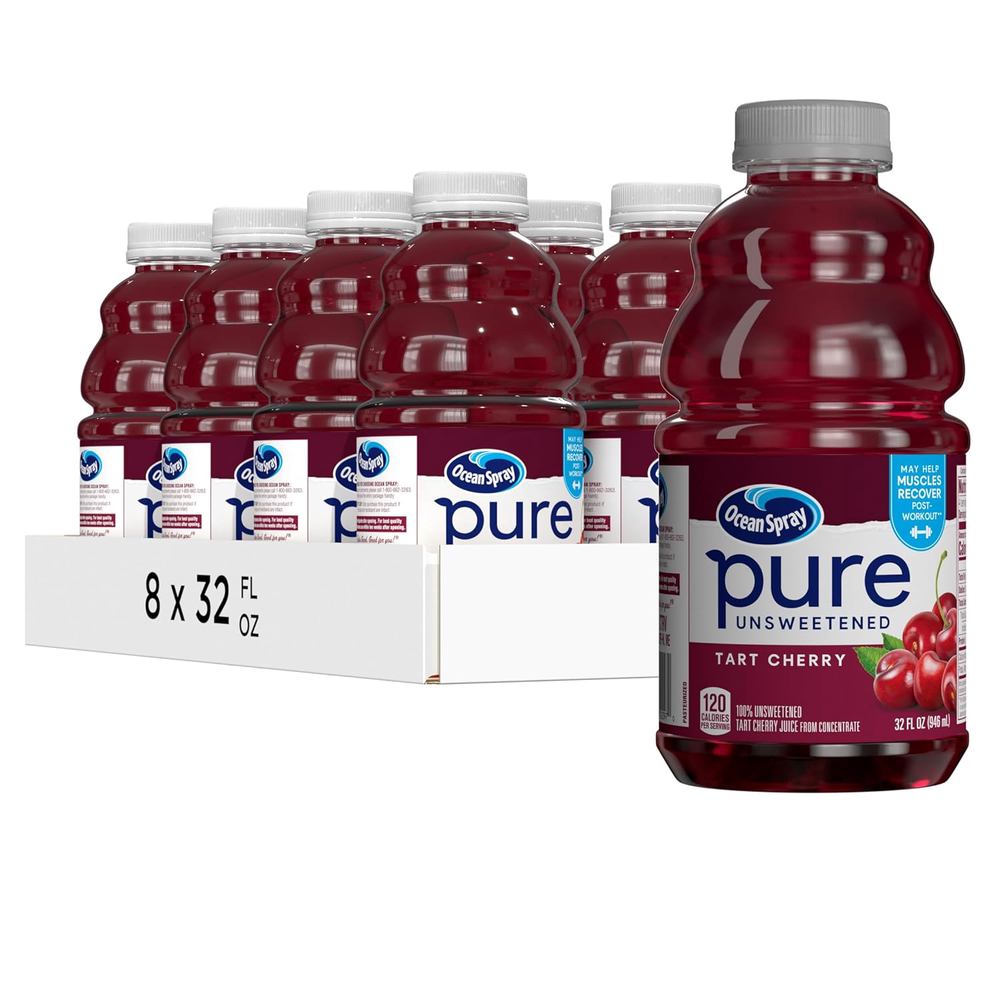
Tart cherries are one of the few natural food sources of melatonin. Studies suggest that drinking tart cherry juice or eating whole tart cherries can modestly increase circulating melatonin levels and improve sleep duration and quality. After a night of poor rest, adding a serving of tart cherries to your breakfast or as an afternoon snack may help signal to your brain that it is time to slow down later in the evening. They also contain anti-inflammatory compounds that can reduce oxidative stress, which tends to spike after sleep deprivation.
You do not need a large amount. A handful of dried tart cherries, a small glass of unsweetened tart cherry juice, or a bowl of fresh cherries can be enough to provide a gentle boost. Pair them with a source of complex carbohydrate—like oats or whole-grain toast—to help transport tryptophan across the blood-brain barrier.
2. Kiwi
Kiwifruit is another well-researched sleep aid. In clinical trials, adults who ate two kiwis one hour before bedtime reported significant improvements in total sleep time and sleep efficiency. The fruit is rich in serotonin, a precursor to melatonin, and also provides vitamin C and antioxidants that help lower inflammation and stress. After a broken night, your serotonin levels can dip, and eating kiwi during the day may help restore that chemical balance.
Try eating one or two kiwis in the afternoon or early evening—not right before bed—so your body has time to process the serotonin and convert it to melatonin as natural darkness approaches. The fiber content also supports stable blood sugar, which is helpful because unstable glucose can wake you up in the middle of the night.
3. Fatty fish
Fatty fish like salmon, mackerel, and sardines are among the best dietary sources of vitamin D and omega-3 fatty acids—both of which play a role in sleep regulation. Omega-3s help reduce nighttime cortisol and inflammation, while vitamin D is linked to melatonin production. In observational studies, people who eat fatty fish several times per week report better sleep quality and fewer daytime sleep disturbances.
After a night of poor rest, a lunch or dinner portion of salmon or mackerel provides high-quality protein that stabilizes blood sugar and supports neurotransmitter function. The vitamin B6 in fish also helps convert tryptophan into serotonin. Keep the meal light and avoid heavy sauces or frying; a grilled fillet with a side of leafy greens or roasted sweet potatoes is a balanced choice that supports sleep recovery without causing digestive discomfort.
A note on timing: These foods work best when eaten earlier in the day or early evening. Eating heavy meals or large portions too close to bedtime can interfere with sleep, even if the ingredients are beneficial. Aim to finish your last meal at least two to three hours before your head hits the pillow.
What to avoid after poor sleep
Rebuilding sleep hygiene is not only about adding good foods—it also means stepping back from things that undermine recovery. Caffeine may be tempting after a sleepless night, but it can linger in your system for six to eight hours. One morning cup is usually fine, but avoid afternoon coffee or energy drinks. Alcohol is another common trap; it may help you fall asleep initially, but it fragments deep sleep and raises cortisol later in the night. Similarly, refined sugar and processed snacks can spike blood glucose and trigger nighttime awakenings.
Hydration matters too. Dehydration makes it harder to fall asleep and stay asleep, but drinking large amounts of water right before bed causes interruptions. Sip water steadily throughout the day instead.
Putting these foods into a daily rhythm
The goal is not to force every single sleep-supporting food into one day, but to build a pattern that feels manageable. Start with one food that fits your kitchen and your usual meals. For example:
- Breakfast: A bowl of oatmeal with dried tart cherries and a handful of walnuts.
- Lunch: A salad with grilled salmon, spinach, and sliced kiwi on the side.
- Late-afternoon snack: One kiwi or a small glass of tart cherry juice.
If you keep a food journal for a few days, you may notice a clearer connection between what you eat and how well you sleep afterward. Consistency matters more than perfection—your sleep hygiene rebuilds gradually, one meal at a time.
The bigger picture: food as one part of sleep hygiene
No single food can fix chronic sleep problems on its own. Nutrition works best when combined with other sleep-hygiene practices: a consistent bedtime, limited screen exposure in the evening, a cool and dark bedroom, and stress management like deep breathing or light stretching. Think of these three foods as tools in a larger toolbox, not as a prescription. If you have ongoing sleep difficulties that do not improve with routine changes, a conversation with a healthcare provider or a registered dietitian can help identify underlying causes.
Rebuilding after a poor night is about giving your body the right raw materials and the time to use them. Tart cherries, kiwi, and fatty fish each offer something specific to your brain and nervous system. By adding them to your recovery day, you are not just eating—you are actively supporting your sleep rhythm back into balance.