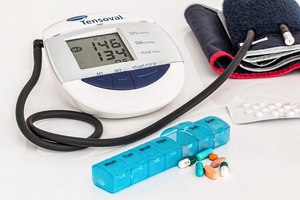

If you have ever felt your heart suddenly flutter, pound, or skip a beat for no clear reason, you know how unsettling it can be. Heart palpitations are common and often harmless, but they can also be a signal that something you ate — or drank — has disrupted your heart's normal rhythm. What you consume matters more than many people realize. While not everyone reacts to the same foods, certain ingredients are well-known for triggering palpitations in sensitive individuals. Below are three common culprits and the swaps that can help keep your heartbeat steady.
1. Caffeine — More Than Just Coffee
Caffeine is the most widely recognized dietary trigger for heart palpitations. It stimulates the central nervous system and can increase the firing rate of the heart's pacemaker cells, leading to a sensation of skipped beats or a racing heart. Coffee is an obvious source, but caffeine also hides in black tea, green tea, energy drinks, soda, and even some over-the-counter pain relievers. For some people, even a single cup of strong coffee can cause palpitations; for others, it takes several servings.
Consider switching to decaffeinated coffee or herbal tea — especially if you notice symptoms within an hour of drinking caffeine. Taper down gradually to avoid withdrawal headaches.
If you suspect caffeine is the issue, try swapping your morning coffee for a cup of low-caffeine green tea or a caffeine-free herbal blend like chamomile or peppermint. Drink plenty of water throughout the day, because dehydration can amplify the effects of caffeine on the heart. Some people also tolerate matcha better than coffee due to its slower release of caffeine, but individual reactions vary. Pay attention to your own threshold and experiment with cutting back in small steps.
2. High-Sodium Foods — The Hidden Heart Stressor
Sodium causes the body to retain fluid, which increases blood volume and makes the heart work harder to pump blood. For people prone to palpitations, that extra effort can trigger an irregular heartbeat. The real danger is not the salt shaker at the table but the sodium hidden in processed and restaurant foods.
Common high-sodium traps include:
- Deli meats and cured meats — ham, salami, bacon, and hot dogs
- Canned soups and broths — one serving can contain half your daily sodium limit
- Frozen dinners and pizza — especially those with cheese, sauce, and processed crust
- Condiments and sauces — soy sauce, ketchup, salad dressings, and marinades
- Pickled and brined foods — pickles, olives, sauerkraut
Rather than salting your meals at the table, experiment with flavor boosters like fresh garlic, lemon juice, vinegar, herbs (basil, oregano, rosemary), and spice blends without added salt. When shopping, check nutrition labels and choose "low sodium" or "no salt added" versions when available. Cooking from scratch gives you full control over your sodium intake, and over time your palate will adjust to enjoying less salt.
3. Alcohol — Especially in Excess or on an Empty Stomach
Alcohol can directly irritate the heart muscle and disrupt electrical signaling, leading to palpitations — a phenomenon sometimes called "holiday heart syndrome" because it often occurs after binge drinking. Even moderate alcohol consumption can trigger symptoms in sensitive individuals, particularly if they drink on an empty stomach or when dehydrated.
The risk increases with:
- Drinking more than one serving per hour
- Choosing high-sugar mixers or cocktails
- Drinking late at night when the body is already fatigued
- Combining alcohol with caffeine (e.g., rum and cola, energy drinks with vodka)
If you choose to drink, pace yourself: one standard drink per hour, and always have a glass of water between alcoholic beverages. Eating a balanced meal before drinking — one that includes protein, healthy fat, and complex carbs — can help slow alcohol absorption. For some people, cutting out alcohol entirely eliminates palpitations within a few weeks. Non-alcoholic alternatives like sparkling water with a splash of cranberry juice or a non-alcoholic beer can give you the social experience without the cardiac side effects.
What to Eat Instead for a Calmer Heartbeat
Replacing trigger foods with heart-friendly options does not have to feel like a sacrifice. The following foods are naturally gentle on the heart and may help reduce palpitations:
Potassium-Rich Foods
Potassium helps regulate the electrical activity of the heart. When levels are low, the risk of arrhythmias increases. Bananas are the most famous source, but you can also get potassium from sweet potatoes, avocados, spinach, oranges, and tomatoes.
Magnesium-Rich Foods
Magnesium is crucial for maintaining a normal heart rhythm. Low magnesium levels have been linked to palpitations and muscle cramps. Include dark leafy greens (kale, Swiss chard), nuts and seeds (almonds, pumpkin seeds, cashews), legumes, and whole grains. A small handful of almonds makes an excellent snack.
Omega-3 Fatty Acids
Found in fatty fish like salmon, mackerel, sardines, and trout, omega-3s have anti-inflammatory properties and support overall heart health. Plant-based sources include flaxseeds, chia seeds, and walnuts. Aim for two servings of fatty fish per week if you eat fish, or incorporate ground flaxseeds into smoothies and oatmeal.
Hydrating, Low-Sugar Beverages
Dehydration can worsen palpitations, so prioritize water. Herbal teas such as chamomile, passionflower, and peppermint are naturally caffeine-free and calming. Avoid sugary sodas and fruit juices, which can spike blood sugar and trigger adrenaline release.
Making dietary changes is a gradual process. Start by identifying which trigger foods affect you most — keep a simple diary for a week or two, noting what you eat and when palpitations occur. Over time, you will learn your personal pattern, and small swaps will become second nature. Always discuss ongoing or concerning palpitations with your healthcare provider, especially if you have a history of heart disease or other risk factors.