When it comes to stroke, time is brain. Every minute a stroke goes untreated, an estimated 1.9 million neurons are lost. While you can't diagnose a stroke yourself, you can learn to recognize the earliest signs and take swift action. This isn't just about knowing the symptoms—it's about having a practical system at home to identify them quickly, even when the person affected is you.
The following three methods, grounded in clinical practice, can help you or your loved ones recognize when to call 911 immediately. None of these replace emergency care, but they give you a script when every second counts.
1. Learn and practice the FAST protocol
The FAST acronym is the most widely taught stroke awareness tool, and for good reason: it's simple, memorable, and covers the most common stroke symptoms. But knowing it isn't enough—you need to be able to execute the steps without hesitation under stress.
- Face: Ask the person to smile. Does one side of the face droop? Is the smile uneven?
- Arms: Ask them to raise both arms. Does one arm drift downward, or can they not lift it fully?
- Speech: Have them repeat a simple sentence, like “The sky is blue today.” Is their speech slurred, garbled, or are they unable to speak at all?
- Time: If you see any of these signs, even if they come and go, call 911 immediately. Note the time the symptoms first appeared—this is critical for treatment decisions.
An expert tip: Practice the FAST test on family members when everyone is healthy. A “dry run” can reduce panic in a real emergency and help you recognize subtle changes.
Studies have shown that community education around FAST improves pre-hospital stroke recognition. For example, a 2017 analysis in Stroke found that bystanders who knew the acronym were more likely to activate emergency services appropriately than those who didn't.
2. Use a blood pressure monitor for proactive screening
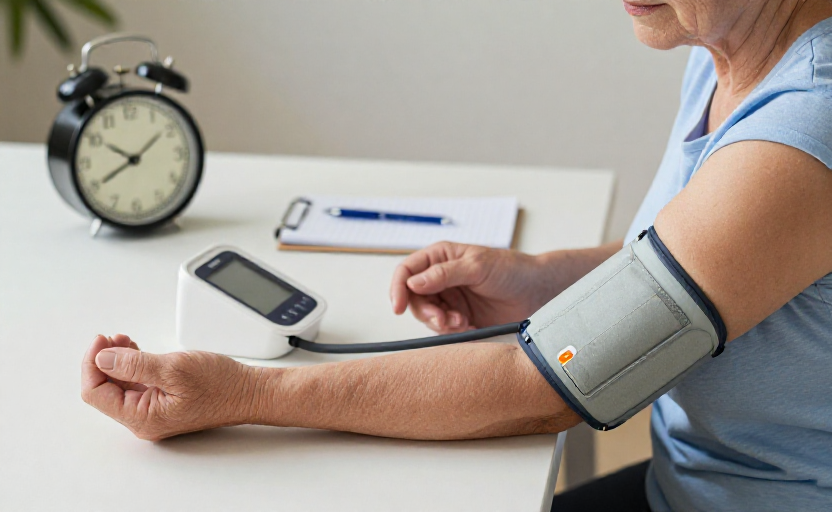
While FAST helps you react to a stroke in progress, monitoring your blood pressure at home can help you prevent one—or identify when you're at immediate risk. Hypertension is the single most modifiable risk factor for stroke, and many people have “white coat hypertension” (normal readings at home, high in a doctor's office) or the reverse.
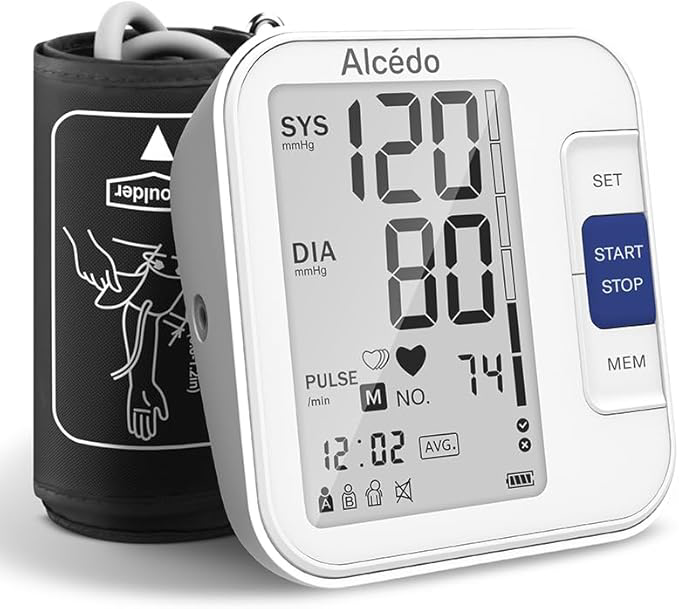
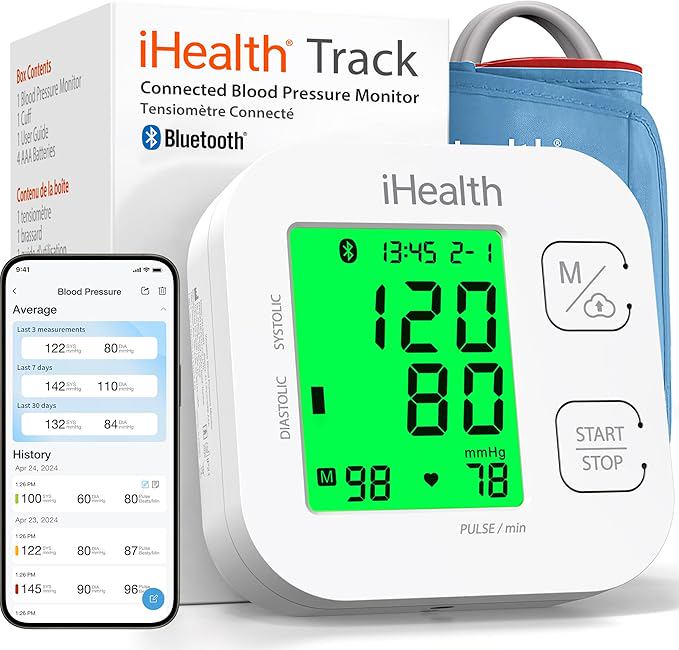
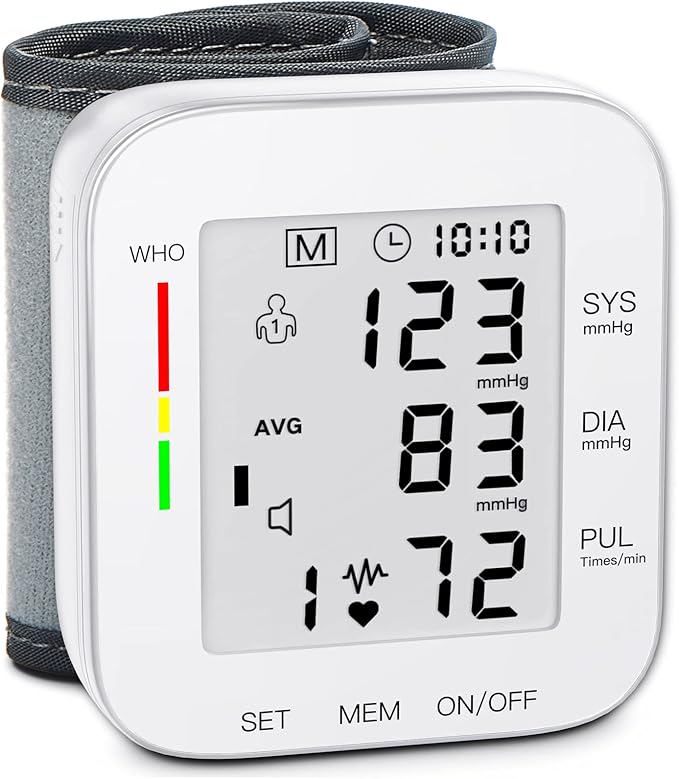
An automated, validated upper-arm blood pressure monitor can give you a baseline. Take two readings, one minute apart, at the same time each day (preferably morning and evening). A reading above 180/120 mmHg is a hypertensive crisis and requires immediate emergency attention—this is a medical emergency in itself, even without stroke symptoms.
What to watch for: A sudden, dramatic spike in your usual numbers—especially if accompanied by headache, vision changes, or confusion—could precede a stroke. This is not a diagnostic tool, but a distress signal that something is wrong in your cardiovascular system.
For those with known atrial fibrillation (AFib), some home blood pressure monitors also detect irregular heartbeats. AFib can cause blood clots that travel to the brain; tracking rhythm changes is another layer of stroke awareness.
3. Keep a symptom log and use the “BE FAST” expansion
Educators and neurologists sometimes expand FAST to BE FAST, adding Balance and Eyes to the checklist. This covers more symptoms, especially those related to posterior circulation strokes, which affect the back of the brain and can be missed by the classic FAST test.
- Balance: Sudden dizziness, loss of coordination, or trouble walking. This is not just feeling wobbly—it's the inability to stand or walk safely.
- Eyes: Sudden vision loss in one or both eyes, double vision, or blurriness.
Keeping a simple written log of any fleeting neurological symptoms can be invaluable for your doctor. Many people experience transient ischemic attacks (TIAs) or “mini-strokes” without recognizing them. TIA symptoms resolve on their own within minutes to hours, but they are a major warning sign—about 1 in 3 people who have a TIA will go on to have a full stroke within a year if untreated.
How to log symptoms effectively: Write down the date, time symptoms began, how long they lasted, what happened (e.g., “felt dizzy, left arm went numb for 5 minutes”), and any possible triggers. Show this log to your primary care provider at your next visit. The earlier a TIA is evaluated, the better the chance of preventing a major stroke.
Important caveat: Even if symptoms disappear completely, do not ignore them. Do not wait for a second episode. See a doctor immediately or call 911 if a TIA is suspected—especially if you also have risk factors like high blood pressure, diabetes, or a history of smoking.
These three home-based strategies are simple tools, not substitutes for professional medical evaluation. But when a stroke strikes, the person who recognizes it first often makes the difference between recovery and long-term disability. By practicing these techniques and staying aware of your own vital signs, you are building a safety net that begins at home.