The first six weeks after childbirth — often called the fourth trimester — are a time of immense physical recovery, hormonal shifts, and emotional adjustment. While many discomforts are normal, some symptoms signal that it’s time to call your healthcare provider. Recognizing these warning signs early can prevent complications and help you get the support you need.
Below are three expert-backed warning signs that warrant attention during the early postpartum period. This information is for educational purposes and is not a substitute for personalized medical advice. Always contact your provider if something feels off.
1. Heavy Bleeding That Soaks Through a Pad in an Hour
Some vaginal bleeding (lochia) is expected after birth. It starts heavy and red, then gradually becomes lighter and changes to pink, brown, and eventually yellowish-white over several weeks. However, there is a clear line between normal postpartum bleeding and a hemorrhage.
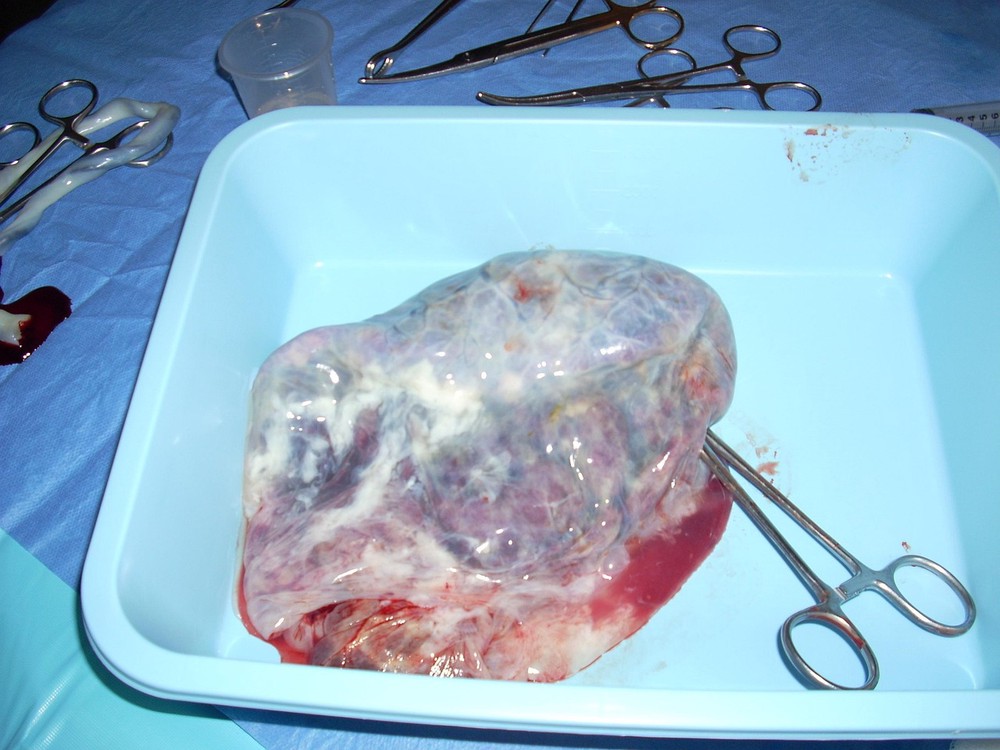
What to watch for: Bleeding that soaks through one pad per hour for two or more hours, or that suddenly becomes heavy again after it had been tapering off. Other red flags include passing large clots (larger than a golf ball) and feeling dizzy, faint, or having a racing heartbeat.
These signs may indicate retained placental tissue, a uterine infection, or a late postpartum hemorrhage. If you experience any of these, seek medical attention immediately.
2. A Headache That Won’t Go Away — Especially With Vision Changes
New parents are tired, dehydrated, and often running on caffeine and adrenaline. It’s easy to dismiss a headache as part of the package. But a severe or persistent headache in the first six weeks can be a symptom of a more serious condition.
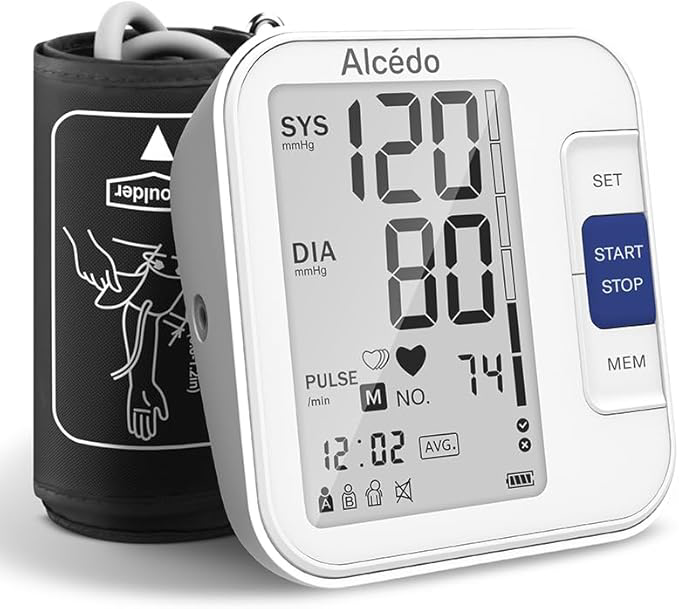
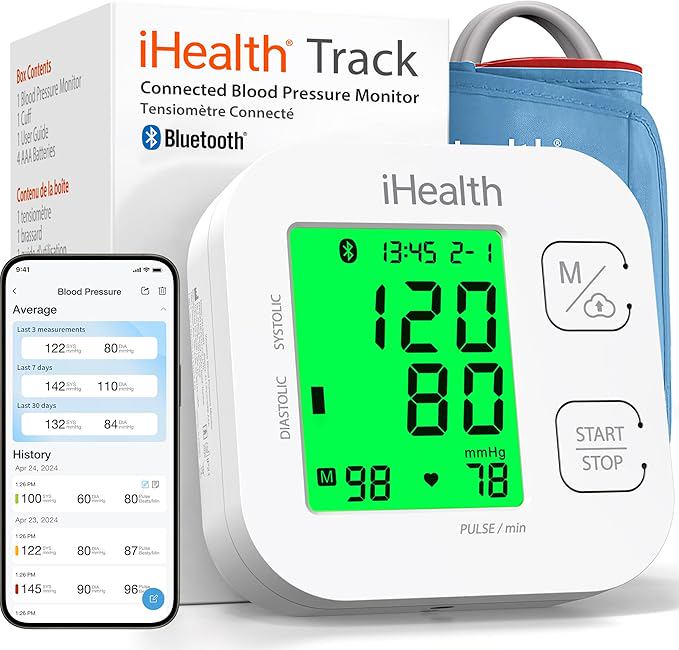
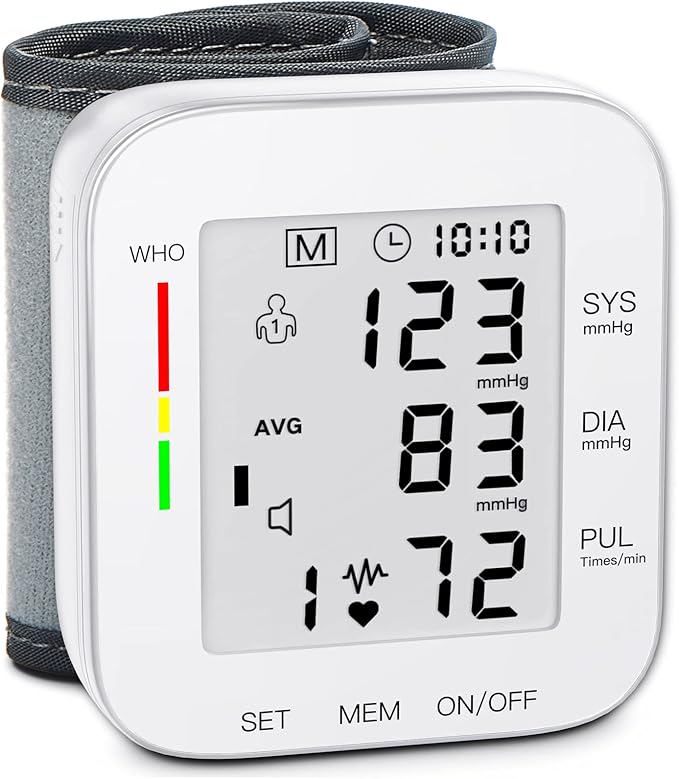
Postpartum preeclampsia can develop even if you had normal blood pressure during pregnancy. It typically shows up within 48 hours to six weeks after delivery.
What to watch for: A headache that does not improve with rest, hydration, or pain relievers — especially if it is accompanied by blurred vision, spots in your vision, sensitivity to light, nausea, or swelling in your hands and face. Anytime a headache is paired with shortness of breath or chest pain, it’s a medical emergency.
Untreated postpartum preeclampsia can lead to seizures (eclampsia) or stroke, so do not wait to call your provider if you suspect this.
3. Signs of Postpartum Mood Disorders Beyond the Baby Blues
The baby blues — mood swings, crying, irritability — are common in the first two weeks and usually resolve on their own. However, when these feelings intensify or last longer, they may point to postpartum depression, anxiety, or even postpartum psychosis.
What to watch for: Persistent sadness, hopelessness, or emptiness lasting more than two weeks; overwhelming worry that keeps you from caring for yourself or your baby; loss of interest in things you used to enjoy; changes in appetite or sleep (beyond what newborn care explains); intrusive thoughts or images about harming yourself or your baby.
Postpartum psychosis is rare but requires urgent care. Its signs include confusion, hallucinations, delusions, paranoia, and rapid mood swings. If you experience or witness any of these, seek emergency help immediately.
Remember: Reaching out for help is a sign of strength, not failure. Your healthcare provider, a therapist, or a crisis hotline can connect you with treatment that works.
When to Call Your Provider: A Quick Reference
Beyond the three core warning signs above, these additional symptoms always warrant a call to your doctor or midwife:
- Fever over 100.4°F (38°C), especially with chills or foul-smelling discharge — possible infection
- Pain, redness, or warmth in one leg (especially the calf) — possible blood clot (DVT)
- Pain or burning with urination, or inability to urinate
- Breast redness, warmth, or a hard, painful lump that does not improve with feeding or pumping
- Heavy, bright-red bleeding at any point after bleeding had slowed
- Incision (cesarean or perineal) that is red, draining, or increasingly painful
Your body has done something extraordinary. Trust your instincts: if something feels wrong, it likely is. It’s always better to check in with a professional than to wait and worry.