Get Advice
Home preventive-care reproductive-care 3 expert-backed lifestyle adjustments for easing contraceptive side effects
reproductive-care 2 min read

3 expert-backed lifestyle adjustments for easing contraceptive side effects

Written By Nina Patel
Jul 10, 2026
Reviewed by   Maya Brooks, NP
South Asian wellness writer blending Ayurvedic traditions with modern health science. Spice lover, chai obsessive, and lifelong learner.
3 expert-backed lifestyle adjustments for easing contraceptive side effects
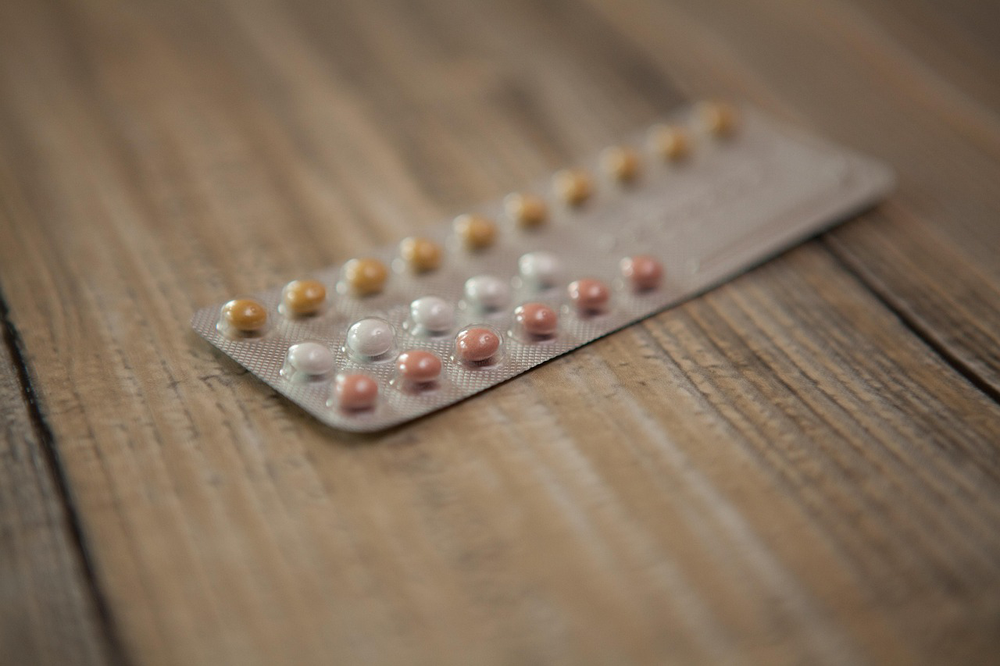
3 expert-backed lifestyle adjustments for easing contraceptive side effects Source: Pixabay

Navigating contraceptive side effects can feel like a guessing game, but small, intentional lifestyle shifts often make a meaningful difference. While everyone's body responds differently to hormonal contraception, certain daily habits—endorsed by gynecologists and nutrition experts—tend to help women manage the most common complaints like bloating, mood changes, nausea, and low libido. Here are three evidence-informed adjustments worth trying.

1. Time Your Meals and Hydration Around Your Pill

Nausea and stomach upset are among the top reasons women stop taking oral contraceptives early. Taking your pill with a small, bland snack—like a few crackers or a banana—can buffer the stomach lining. Many women find that pairing the pill with dinner (rather than breakfast) reduces queasiness, especially if morning nausea is an issue.

Staying hydrated is equally important. Dehydration can intensify headaches and fatigue, which are already common side effects of hormonal shifts. Aim for water throughout the day, and limit caffeine after 2 p.m. to protect sleep quality—poor sleep can worsen mood swings.

2. Prioritize Movement That Supports Mood and Bloating

Hormonal contraceptives can alter fluid retention and mood regulation. Low-impact exercise—think brisk walking, yoga, or swimming—helps both. Gentle movement encourages circulation and lymphatic drainage, which can reduce bloating. Meanwhile, rhythmic activities like walking or cycling help regulate cortisol and release endorphins, countering the low mood some women report.

For libido-related side effects, pelvic floor exercises (Kegels) and mindful body-awareness practices can also help rebuild comfort and confidence with your body.

Quick tip: Even 15 minutes of gentle movement after your evening pill can ease next-day bloating and help you sleep more soundly.

3. Adjust Your Eating Pattern for Steadier Energy

Many women on hormonal birth control report feeling hungrier or more prone to blood sugar dips. Instead of overhauling your entire diet, try shifting to smaller, more frequent meals that combine protein, fiber, and healthy fat. This pattern stabilizes glucose levels and may reduce cravings and irritability.

Some research suggests that certain nutrients—like magnesium (found in spinach, almonds, and pumpkin seeds) and B vitamins (in leafy greens, eggs, and legumes)—support the body during hormonal shifts. While supplements should be discussed with a doctor, focusing on these foods is a safe, low-risk step.


No single adjustment will erase all side effects, but pairing these habits with open communication with your healthcare provider often yields the best outcome. If side effects persist or become severe, your doctor may suggest a different formulation or method altogether. Listen to your body and give each change at least two menstrual cycles before deciding if it's helping.

Related FAQs
Most side effects from hormonal contraceptives—like nausea, breast tenderness, or spotting—resolve within 2 to 3 months as your body adjusts. If symptoms persist longer or are severe, consult your healthcare provider; a different pill formulation or method may be a better fit.
Yes, certain diet adjustments can ease side effects. Eating smaller, balanced meals with protein and fiber helps stabilize blood sugar and reduce irritability. Foods rich in magnesium (almonds, spinach) and B vitamins (eggs, leafy greens) may also support your body during hormonal shifts, though they won't eliminate all symptoms.
Yes, regular low-impact movement—like walking, yoga, or swimming—can help reduce bloating by improving circulation and lymphatic drainage. Exercise also releases endorphins, which help counter mood swings and low energy that sometimes come with contraceptive use.
Do not stop hormonal contraception without first talking to your doctor. If side effects are disruptive, your provider may suggest trying a different type of pill, a lower dose, or a non-hormonal method. Stopping abruptly can cause irregular bleeding, hormonal swings, and the return of your original symptoms (like painful periods or acne).
Key Takeaways
  • Even small lifestyle changes like adjusting meal timing and staying hydrated can reduce nausea from oral contraceptives.
  • Gentle, regular movement—such as walking or yoga—helps ease bloating and stabilize mood during hormonal shifts.
  • Eating smaller, protein-rich meals throughout the day can steady blood sugar and lessen irritability.
  • Nutrients like magnesium and B vitamins, found in whole foods, may help the body adapt to hormonal contraception.
  • Always talk to your healthcare provider before stopping or switching birth control, even if you try lifestyle changes first.
Medical Note
This article is for informational purposse only and should not be taken asanb caring teotio ongpontyBeotot bacnts Spotiroeprofestional medical loloice. Awwver consux with a healthcart-professenar-tal for medical advice and ineatment.
Comments
  • No comments yet. Be the first to share your thoughts.
Leave a Comment
Login with Google to comment.
Looking for more personalized guidance?
Explore expert-informed wellness content tailored to your health interests and goals.
Get Advice
Recommended for
Your Health
Slay healthy with us
No recommended article
  • No recommended article
    No data
    -
    该列表没有任何内容
About the Author
Nina Patel
Women’s Wellness Contributor