
For many of us, the evening is a time to unwind, a chance to finally relax after a demanding day. Yet, what we do in those few hours before sleep can quietly shape our heart health in profound ways. While cholesterol management often focuses on daytime choices—what we eat for lunch, whether we take the stairs—the evening holds unique, often overlooked potential. By aligning a few simple habits with established heart health guidelines, you can create a powerful, supportive rhythm that works for you while you rest.
The goal isn't to add more tasks to your to-do list. It’s about gentle shifts, about creating an environment—both in your kitchen and in your mind—that supports your cardiovascular system. These evening practices leverage the body’s natural rhythms, helping to manage cholesterol levels through consistent, manageable actions that fit into real life.
Why does the evening matter for cholesterol?
Cholesterol levels aren't static; they are influenced by daily cycles of eating, activity, and stress. The evening is a critical window for several reasons. It’s when we often consume our largest meal, which directly impacts blood lipids. It’s also a time when stress from the day can linger, and chronic stress is linked to higher levels of LDL (often called “bad”) cholesterol. Furthermore, the quality of sleep we get sets the stage for the next day’s metabolic and hormonal balance, including those that regulate cholesterol. By focusing here, we address multiple levers at once.
1. Prioritize a heart-smart evening meal
This isn’t about a strict diet, but about composition and timing. A heart-smart evening meal focuses on foods known to support healthy cholesterol levels, while being mindful of when you eat.
Center your plate around soluble fiber. This type of fiber acts like a sponge in your digestive tract, binding to cholesterol and helping to remove it from the body. An easy way to do this is to make vegetables and legumes the main event. Think a hearty lentil soup, a large salad with chickpeas, or a stir-fry loaded with broccoli, oats, and barley.
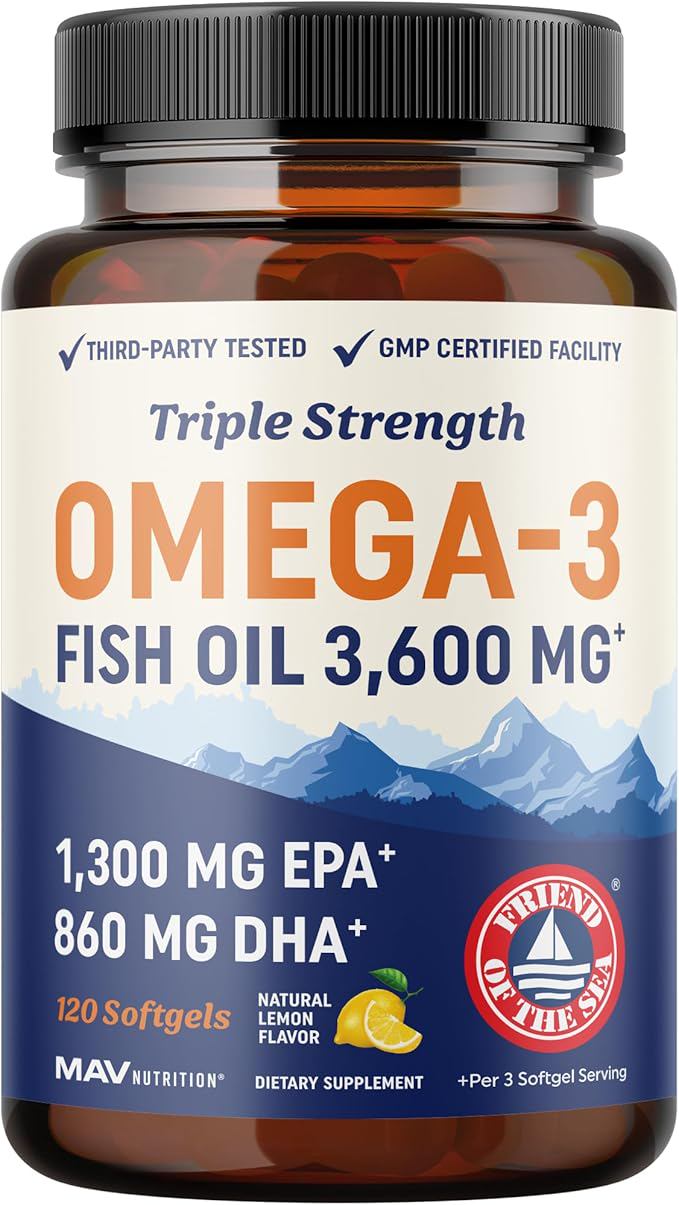
Incorporate healthy fats wisely. A small serving of fatty fish like salmon or mackerel a few times a week provides omega-3 fatty acids, which support heart health. If you’re plant-based, a sprinkle of walnuts or flaxseeds on your meal offers a similar benefit. The key is to use these fats to replace, not add to, saturated fats often found in red meats and full-fat dairy.
Aim to finish your last meal at least 2-3 hours before bedtime. This gives your body time to begin digestion before sleep, which may support better metabolic processing.
2. Establish a consistent, calming pre-sleep routine
Chronic stress is a silent contributor to heart health challenges. It can elevate cortisol levels, which in turn can raise LDL cholesterol and triglycerides. The evening is your opportunity to signal to your nervous system that it’s safe to shift from “fight or flight” to “rest and digest.”
This doesn’t require an hour of meditation (though that can help). It’s about creating a predictable, screen-free buffer zone before bed. This might look like 20 minutes of reading a physical book under soft light, taking a few moments for gentle stretching, or writing down a brief list for the next day to quiet a racing mind. The consistency is what tells your body it’s time to wind down.
This practice directly supports sleep quality, and better sleep is non-negotiable for heart health. Poor sleep is associated with lower HDL (“good”) cholesterol and higher triglycerides. By protecting your wind-down time, you’re supporting a core pillar of cholesterol management.
What to avoid in your wind-down
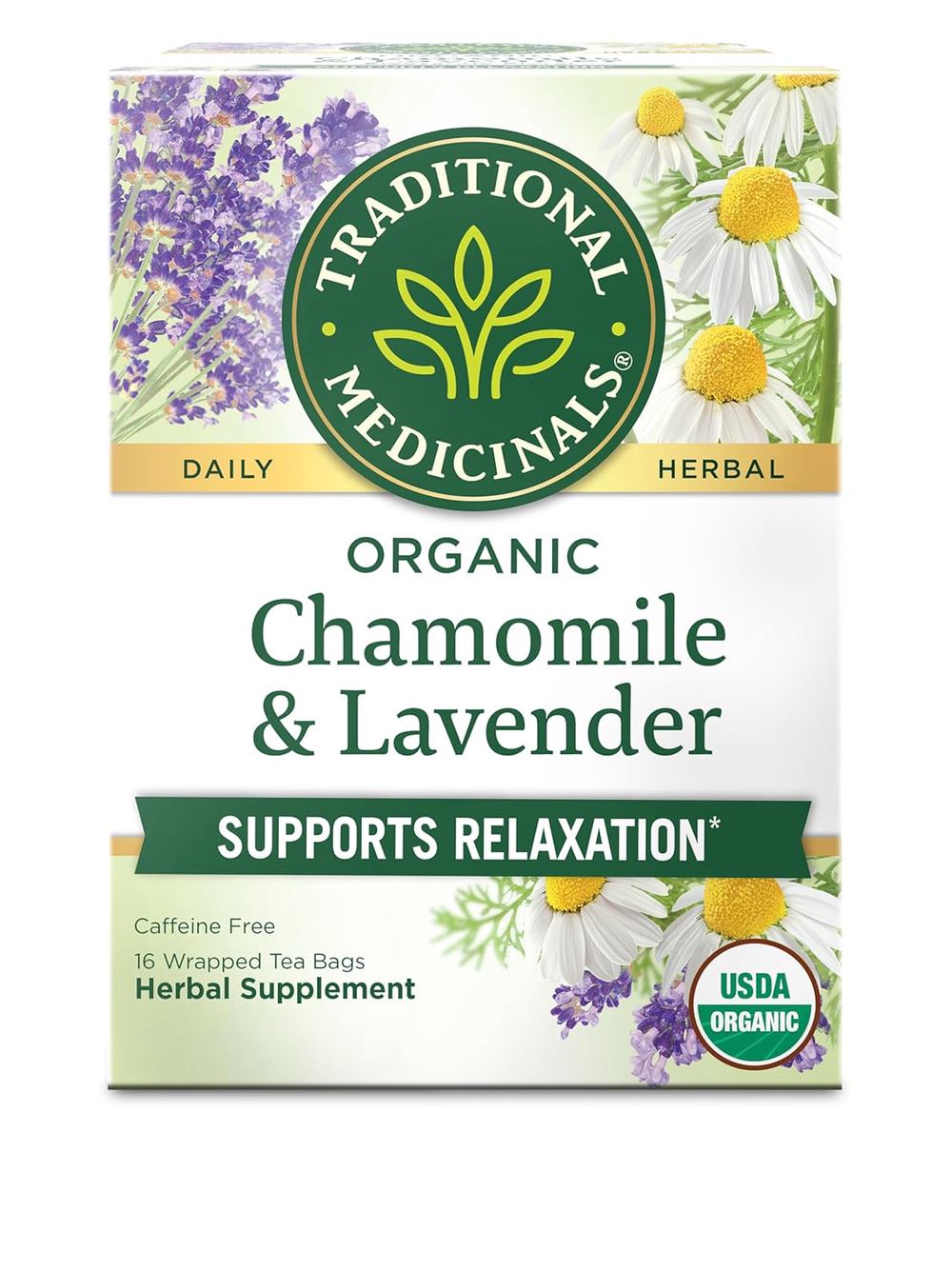
Be mindful of stimulants and heavy foods late in the day. A heavy, rich meal or a caffeinated drink in the evening can disrupt sleep and digestion. Similarly, while a nightcap might seem relaxing, alcohol can interfere with sleep cycles and may affect lipid metabolism. Opt instead for a cup of herbal tea, like chamomile or ginger.
3. Incorporate gentle evening movement
You don’t need a high-intensity workout after dinner. In fact, vigorous exercise too close to bedtime can be counterproductive. The goal here is light, pleasant movement that aids digestion, helps manage stress, and contributes to your overall daily activity tally.
A 10-15 minute stroll after your evening meal is one of the most effective habits you can adopt. This post-meal walk helps moderate blood sugar levels and supports healthy circulation. If walking isn’t an option, consider gentle restorative yoga poses or simple stretching while listening to calming music. The focus is on movement as a form of self-care, not as a calorie-burning chore.
This gentle activity complements—but doesn’t replace—the regular moderate exercise recommended by heart health guidelines. It’s the peaceful bookend to your day.
Putting it all together
These three habits—a mindful meal, a calming routine, and gentle movement—work in harmony. They address the dietary, stress-related, and physical activity components of cholesterol management within a specific, manageable time frame. The power lies in their consistency, not in perfection. Some evenings will be easier than others, and that’s perfectly normal.
Start by choosing one habit to focus on for a week. Perhaps you begin with the post-dinner walk. Once that feels integrated, look at the composition of your evening meal. Finally, build out your wind-down routine. Small, sustained changes are far more powerful than short-lived overhauls. By tending to your heart health in the evening, you’re investing in long-term well-being, one peaceful night at a time.
Remember, these guidelines are for general wellness education. If you have concerns about your cholesterol levels or heart health, a conversation with your doctor is the most important step you can take. They can help you create a plan that’s tailored specifically for you.