
The first trimester is a paradox: you are growing an entire human from scratch, yet you’ve never felt more exhausted in your life. Between the surge of progesterone, increased blood volume, and the ceaseless work of forming vital organs, fatigue can hit like a wave—often right when you need to sit through a meeting or cook dinner. Reaching for coffee or an energy drink isn’t the answer (caffeine limits are real during pregnancy), so what actually works? Dietitians point to three specific snack categories that stabilize blood sugar, deliver steady fuel, and respect a queasy stomach.
Why first-trimester fatigue is different
This isn’t normal tiredness. Your body is producing 50 percent more blood by week eight, and your resting metabolic rate is already climbing. At the same time, nausea can make eating feel impossible, and aversions to protein-rich foods—meat, eggs, fish—are common. The result: you might be running on crackers and ginger ale, which spikes blood sugar and then crashes it, leaving you more drained than before. The goal is snacks that combine a steady source of energy (complex carbs) with something that slows digestion (protein or healthy fat).
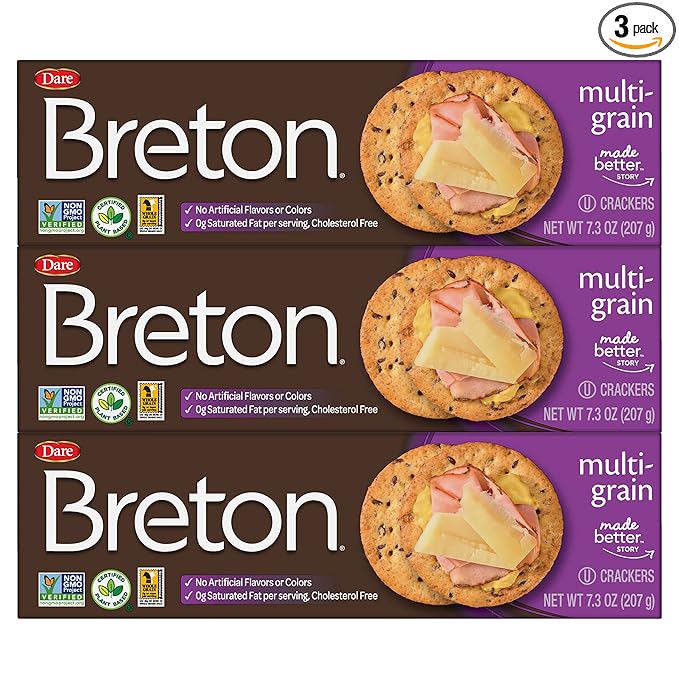
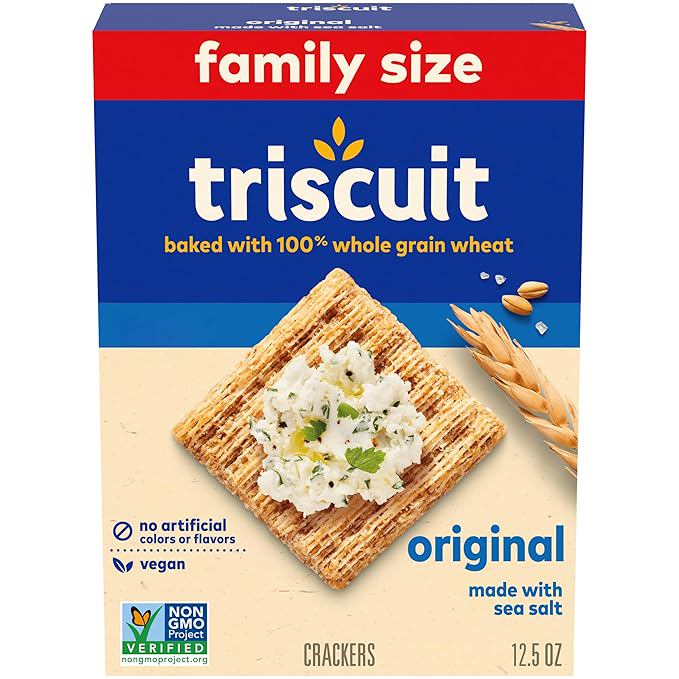
1. Whole-grain crackers with ricotta and pear
This combination hits every note a tired, nauseous parent needs. Whole-grain crackers provide B vitamins and a slow-burning carbohydrate base. Ricotta cheese is lower in fat than many aged cheeses but still packed with protein—about 14 grams per half-cup—plus a good dose of calcium. Pear adds natural sweetness and fiber, plus a gentle source of fructose that doesn’t require much digestive effort. The cool, creamy texture of ricotta is often better tolerated than stronger dairy when morning sickness is lurking.
How to build it: Spread 2–3 tablespoons of part-skim ricotta on 4–5 whole-grain crackers. Top with thin slices of ripe pear. A sprinkle of cinnamon is optional but adds a bit of blood-sugar–balancing flair. If ricotta feels too rich, cottage cheese works—just opt for a low-sodium version.
2. Trail mix with dried cherries, almonds, and dark chocolate
Trail mix might sound like a hiking snack, but it’s a survival tool for the first trimester. The key is the ratio: you want roughly equal parts nuts, dried fruit, and dark chocolate (70% cocoa or higher). Almonds are rich in magnesium and vitamin E, which support energy metabolism and can help with muscle fatigue. Dried cherries are lower on the glycemic index than many dried fruits (raisins, dates), so they don’t send your blood sugar on a roller coaster. Dark chocolate provides a small amount of iron and a psychological lift—sometimes that’s the fuel you need most.
A note on safety: a 1-ounce serving of dark chocolate (about a quarter of a standard bar) contains roughly 25 mg of caffeine. For context, most guidelines recommend staying under 200 mg per day during pregnancy. Enjoy one serving, not the whole bar.
Prep it once, eat all week: Combine ½ cup raw almonds, ¼ cup dried cherries (unsweetened), and 2 tablespoons dark chocolate chips in a small container. Stash it in your bag, car, or desk drawer. One handful provides enough fuel to bridge a gap between meals without needing refrigeration.
3. Greek yogurt parfait with hemp seeds and frozen blueberries
Yogurt is a first-trimester staple for a reason: it’s cold, creamy, and usually easy on the stomach. But plain yogurt on its own won’t do much for energy. Dietitians recommend layering it with hemp seeds (three tablespoons deliver 10 grams of protein plus omega-3s and iron) and frozen blueberries. The frozen berries cool the yogurt down—helpful if you’re dealing with a warm, queasy feeling—and provide antioxidants that your body needs more of during pregnancy. Thaw them for about 30 seconds in the microwave if you prefer a softer texture.
Make it caffeine-free but energizing: The protein from the hemp seeds and yogurt stabilizes blood sugar for hours. The complex carbs in the berries give a slow release of energy. If you want extra crunch, add a tablespoon of unsweetened coconut flakes. Avoid granola if nausea is bad—the texture can be off-putting.
What about smoothies?
Smoothies are a perfectly fine option, but they can become sugar bombs if you aren’t careful. A better approach: blend a handful of spinach, half a banana, a tablespoon of almond butter, unsweetened oat milk, and a scoop of unflavored protein powder (if tolerated). The fiber stays intact, and the protein-to-carb ratio is closer to a meal than a sugary drink. If you’re freezing smoothie packs, add hemp seeds or flax meal before freezing for a built-in nutrient boost.
Tips for actually eating when you have no appetite
- Eat small, frequent amounts — a few bites every 90 minutes can be more effective than three meals.
- Keep snacks at room temperature — cold foods often smell less and may be easier to stomach.
- Don’t drink with your snack — sip water 20 minutes before or after to avoid filling your stomach with liquid first.
- Embrace bland combinations — plain rice cakes with a smear of peanut butter and a few banana slices can be more appealing than a complex prepared dish.
The bottom line
First-trimester fatigue is real, but you don’t have to power through it with empty calories. Whole-grain crackers with ricotta and pear, a balanced trail mix, and a yogurt parfait with hemp seeds and blueberries each deliver the protein, fiber, and steady carbs your body is begging for. Keep these snacks within arm’s reach, eat before you feel truly hungry, and give yourself permission to rest. The exhaustion will ease—usually around week 12 or 13—but in the meantime, your snack strategy can make the difference between surviving and thriving.