
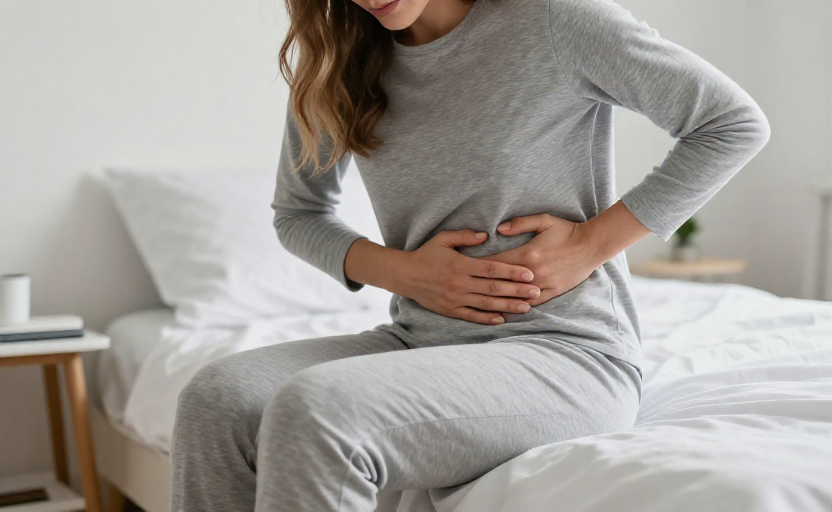
Painful intercourse—medically known as dyspareunia—is more common than many women realize. While causes range from endometriosis to vaginal dryness, one factor that often gets overlooked is what's on your plate. The foods and beverages you consume daily can influence inflammation, hormone balance, and tissue health, all of which play a role in how comfortable—or uncomfortable—sex feels.
If you've been experiencing pelvic pain, burning, or deep discomfort during sex, your diet might be sending you a warning signal. Below are three early signs that your eating habits could be contributing to the problem, along with practical shifts that may help.
1. You Notice Pelvic Bloating or Cramping After Meals
One of the earliest clues that your diet may be affecting intercourse is persistent bloating or cramping that settles in the lower abdomen and pelvis. When your digestive system struggles to break down certain foods, gas and inflammation can build up right where the uterus, ovaries, and bladder sit. That pressure doesn't just cause discomfort after eating—it can make penetration feel tight, tender, or even sharp.
Common culprits include high-FODMAP foods (think onions, garlic, beans, and wheat), dairy if you're lactose intolerant, and excessive salt, which promotes water retention. If you notice that a heavy meal or a carb-rich dinner is followed by pelvic pressure that lingers into the next morning, your diet may be creating a hostile environment for pain-free sex.
What to try: Keep a food-and-symptom diary for one week. Note what you eat and how your pelvis feels during and after sex. You might spot a clear pattern—such as pain flaring after pizza night or sushi with soy sauce.
2. You're Experiencing Chronic Vaginal Dryness or Irritation
Vaginal tissue is sensitive to hydration levels and hormonal signals. If you're eating a diet high in processed foods, sugar, or caffeine, you could be inadvertently drying out your mucous membranes. Dehydration from too little water or too many diuretics (coffee, alcohol, soda) reduces natural lubrication, making friction painful.
Additionally, a diet low in healthy fats—particularly omega-3 fatty acids—can deprive tissues of the essential building blocks they need to stay supple and resilient. Omega-3s, found in foods like salmon, sardines, walnuts, and flaxseeds, help regulate inflammation and support moisture in the skin and mucous membranes. Without them, you may notice more burning, itching, or a sensation of rawness during intercourse.
Early signs: Your eyes feel dry, your skin looks dull, and your lips often feel chapped. If these appear alongside vaginal dryness, your diet is very likely playing a role.
3. You Have Low Libido Accompanied by Fatigue and Mood Swings
Painful intercourse isn't always about physical friction—it can also stem from low desire. When your libido drops, the body produces less natural lubrication and arousal is harder to achieve, creating a cycle where sex becomes painful because you're not fully turned on.
Diet directly impacts sex drive through blood sugar regulation and nutrient status. A diet heavy in refined carbohydrates (white bread, pastries, sugary cereals) causes blood sugar to spike and crash. These crashes trigger fatigue, irritability, and a drop in the hormones that fuel desire—including estrogen and testosterone. Over time, this can leave you feeling too drained and emotionally flat to become aroused, which sets the stage for painful encounters.
Another red flag is low iron or B12. If you're always tired, your body conserves energy by dialing down non-essential systems—including sexual response. If you also notice heavy periods, pale skin, or brain fog, consider getting your ferritin and B12 levels checked. Meanwhile, cut back on processed sugar and eat protein-rich meals earlier in the day to steady your energy and mood.
Practical Dietary Shifts to Ease Painful Intercourse
Once you've spotted a warning sign, you don't need an overnight overhaul. Small, targeted changes often yield the most noticeable results within a few weeks.
- Hydrate intentionally: Aim for at least 8 cups of water daily, and reduce diuretics like coffee and alcohol before sexual activity.
- Add omega-3s: Include fatty fish twice a week or a daily tablespoon of ground flaxseed in smoothies or oatmeal.
- Calm inflammation: Prioritize anti-inflammatory foods—leafy greens, berries, turmeric, ginger—and limit fried foods and added sugars.
- Balance meals: Pair carbs with protein and healthy fat to prevent blood sugar crashes that kill libido.
- Consider magnesium: Found in nuts, seeds, dark chocolate, and leafy greens, magnesium helps relax pelvic muscles and may reduce cramping during sex.
If symptoms persist for more than a few weeks or worsen, consult a gynecologist or a pelvic floor physical therapist. Diet is a powerful lever—but it's one part of a broader picture that may include hormonal imbalances, pelvic floor tension, or underlying conditions like endometriosis.