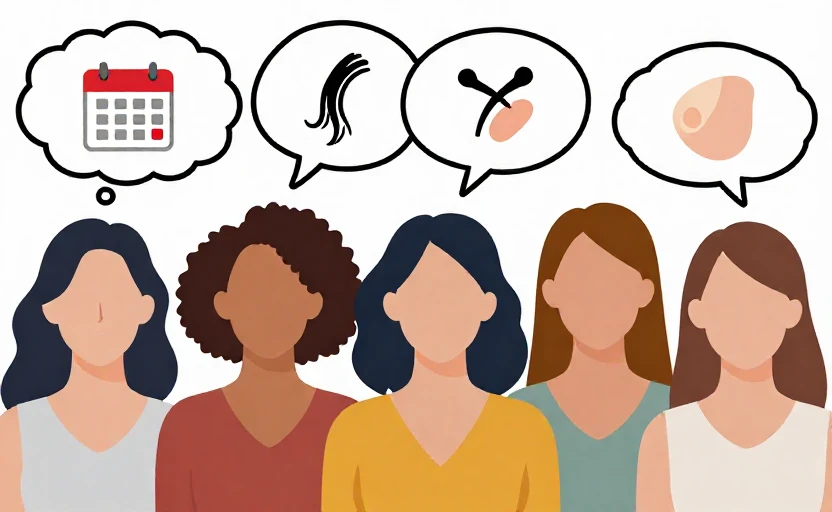
Hormones are the body's intricate messaging system, and when they fall out of sync, they send signals we can learn to recognize. For those with Polycystic Ovary Syndrome (PCOS), these signals often appear long before a formal diagnosis, woven into the fabric of daily life. Tuning into your body's subtle cues isn't about self-diagnosis, but about building a foundation for a more informed conversation with a healthcare provider.
PCOS-related hormonal imbalances primarily involve androgens (often called "male" hormones, though everyone has them), insulin, and reproductive hormones like estrogen and progesterone. The disruption creates a distinct pattern of symptoms. While the experience is highly individual, three early warning signs consistently emerge as common harbingers of this underlying hormonal shift.
1. Irregular or Absent Menstrual Cycles
One of the most telling signs of a PCOS-related hormonal imbalance is a change in your menstrual cycle's rhythm. This isn't about the occasional late period due to stress, but a consistent pattern of irregularity. The core issue is often anovulation—meaning the ovary doesn't release an egg each month. Without ovulation, the hormonal sequence that triggers a timely period gets disrupted.
You might notice your cycles becoming unpredictably long, stretching well beyond the typical 28-35 days. Some months, a period may not arrive at all. Conversely, you might experience very frequent cycles. This irregularity stems from imbalances in luteinizing hormone (LH) and follicle-stimulating hormone (FSH), and often elevated androgens, which interfere with the ovarian follicle's maturation process.
Tracking your cycle for several months can provide valuable, objective data to share with your doctor.
2. Unwanted Hair Growth in New Places
Excess hair growth, known as hirsutism, is a direct signal of elevated androgen levels. This isn't about the fine hair we all have, but coarse, dark hair growing in areas typical for male-pattern hair growth. Common sites include the upper lip, chin, sideburns, chest, lower abdomen, and inner thighs.
This symptom can be particularly distressing, as it feels visibly at odds with societal expectations. It's important to understand it as an external marker of an internal hormonal state. The hair follicles in these areas are simply more sensitive to the increased levels of hormones like testosterone. The degree of hirsutism doesn't always correlate perfectly with blood test levels, as individual follicle sensitivity varies greatly.
3. Persistent Skin Changes: Acne and Acanthosis Nigricans
Your skin often acts as a mirror for internal hormonal activity. Two specific skin changes are strong early indicators of the insulin and androgen imbalances common in PCOS.
First, adult acne that is stubborn, cystic, and appears along the jawline, chin, and lower cheeks is classic. Unlike teenage acne, this is driven by hormonal fluctuations that increase oil production and inflammation. It often persists despite over-the-counter treatments.
Second, a condition called acanthosis nigricans may appear. This presents as dark, velvety patches of skin, usually in body folds like the back of the neck, underarms, groin, and sometimes under the breasts. It is a visible sign of insulin resistance—a condition where the body's cells don't respond well to insulin, leading to higher insulin levels in the blood. This excess insulin can stimulate skin cells to reproduce rapidly and darken.
Why These Signs Matter Together
While any one of these symptoms can occur for other reasons, their co-occurrence is what often points toward PCOS. A healthcare provider will look for at least two of three key features: irregular ovulation (shown by irregular periods), clinical or biochemical signs of high androgens (like hirsutism or acne), and polycystic ovaries on an ultrasound. The early warning signs we've discussed map directly onto the first two criteria.
Recognizing them early creates an opportunity for proactive management. Addressing insulin resistance through lifestyle approaches, for instance, can sometimes help moderate androgen levels and improve cycle regularity. It also opens the door to discussing concerns about fertility, metabolic health, and emotional well-being sooner rather than later.
What to Do If You Recognize These Signs
If these signs feel familiar, the next step is to consult a healthcare professional—such as a gynecologist, endocrinologist, or a knowledgeable primary care doctor. Prepare for your appointment by:
- Tracking your menstrual cycles for 2-3 months.
- Noting the location and nature of any unwanted hair growth or skin changes.
- Being ready to discuss your full health history, including any family history of PCOS, diabetes, or heart conditions.
Diagnosis typically involves a detailed discussion, a physical exam, blood tests to check hormone and insulin levels, and possibly a pelvic ultrasound. Remember, you are the expert on your own body. Your observations of these early warning signs are the crucial first piece of the puzzle in finding clarity and a path toward supportive care.