If you're living with PCOS, you already know that excess facial hair—called hirsutism—is one of the most common and emotionally draining symptoms. But that same unwanted hair may also be an early clue about something happening deeper inside your body: insulin resistance. Recognizing the connection early can help you take steps to protect your long-term metabolic health.
Insulin resistance is a condition where your cells stop responding properly to insulin, the hormone that helps move sugar from your blood into your cells. When that happens, your pancreas pumps out even more insulin to compensate. That extra insulin can then stimulate your ovaries to produce more androgens—including testosterone—which directly fuels facial hair growth. But not all facial hair with PCOS signals the same underlying problem. Here are three early signs that your excess facial hair may be linked to insulin resistance, so you can start a conversation with your healthcare provider sooner rather than later.
Your hair growth pattern has changed suddenly or intensified
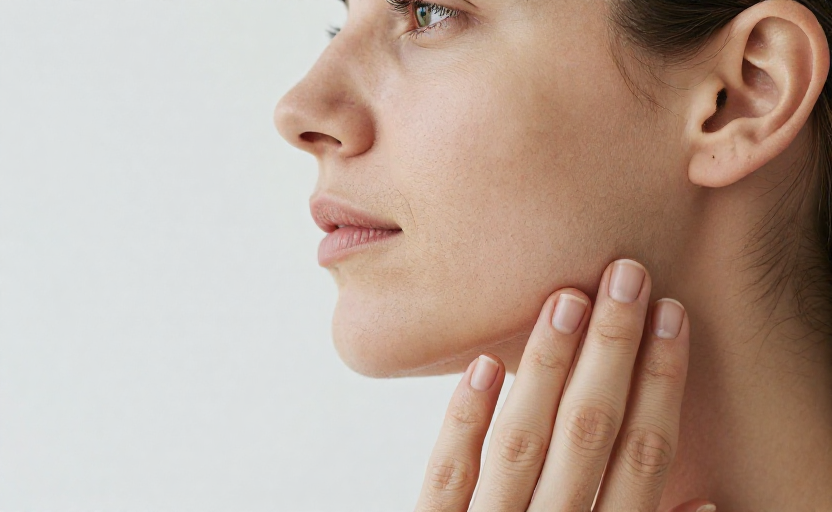
Many women with PCOS have dealt with some facial hair since their teens or early twenties. But when insulin resistance is brewing, you may notice a clear shift. Perhaps you used to need to remove a few dark chin hairs every week, and now you're seeing coarse, dark hairs spread across your chin, jawline, upper lip, or even down your neck. The rate of growth can accelerate—hair that once took days to regrow now needs daily attention. This intensification often correlates with rising insulin levels. If your facial hair pattern has become more pronounced over a few months to a year, it's worth considering whether insulin resistance is the driver.
Your facial hair is accompanied by skin changes on the neck or body
Insulin resistance doesn't only show up in your hormone levels—it often leaves visible marks on your skin. One telltale sign is acanthosis nigricans, which appears as dark, velvety, thickened patches on the back of your neck, under your arms, or along your groin. These patches can look like dirt that won't wash off. If you notice these skin changes alongside your facial hair growth, it's a strong signal that insulin resistance may already be present. The same high insulin that drives androgen production and facial hair also promotes skin cell overgrowth and melanin deposition. Some women also report more skin tags, small flesh-colored growths, in the same areas. When you see both facial hair and these skin changes together, it's time to ask your doctor about insulin resistance screening.
Your menstrual cycles are becoming less predictable
Even if you've always had somewhat irregular cycles with PCOS, insulin resistance can make them even more erratic. You might notice your periods skipping months at a time, or you could stop menstruating altogether for extended stretches. This happens because high insulin disrupts the delicate feedback loop between your brain, pituitary gland, and ovaries. Without regular ovulation, androgens stay elevated, and facial hair continues to grow. If your cycles are moving from irregular to absent while your facial hair is getting worse, insulin resistance could be the underlying cause. This sign is especially important because it suggests the hormonal imbalance is becoming more systemic, not just cosmetic.
What to do next: If you recognize even one of these signs, talk to your healthcare provider about simple blood tests for insulin resistance—fasting glucose, fasting insulin, and a hemoglobin A1c. Lifestyle adjustments like regular movement, balanced meals with protein and fiber, stress management, and quality sleep can all improve how your body responds to insulin. For some women, medications like metformin or other insulin-sensitizing agents may be appropriate.
Not every woman with PCOS and facial hair has insulin resistance, but the overlap is significant. By paying attention to these three early indicators—sudden worsening of hair growth, skin changes on the neck or body, and menstrual cycles becoming more irregular—you can get ahead of the problem. Early detection gives you the best chance to manage insulin resistance before it contributes to more serious health issues like prediabetes, type 2 diabetes, or cardiovascular disease.