Panic attacks can feel overwhelming, often striking without warning and leaving a person breathless, dizzy, and full of dread. While therapy and medication remain the cornerstone treatments for panic disorder, emerging research suggests that certain drinks may play a supportive role in lowering the frequency of these episodes. The key is choosing beverages that calm the nervous system, stabilize blood sugar, and provide key nutrients that influence brain chemistry.
Below are three drinks that have shown promise in studies for their potential to reduce panic attack frequency. Remember, these are not substitutes for professional care but can be part of a broader, calming daily routine.
1. Chamomile Tea
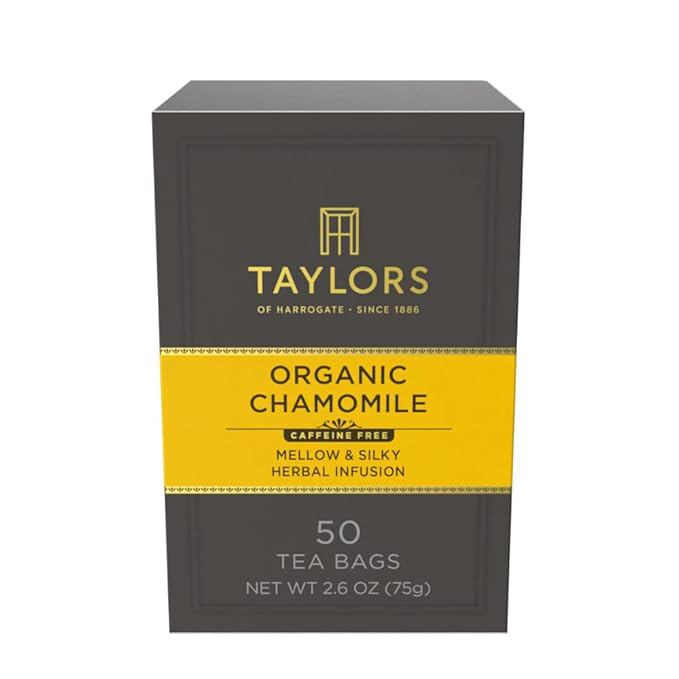
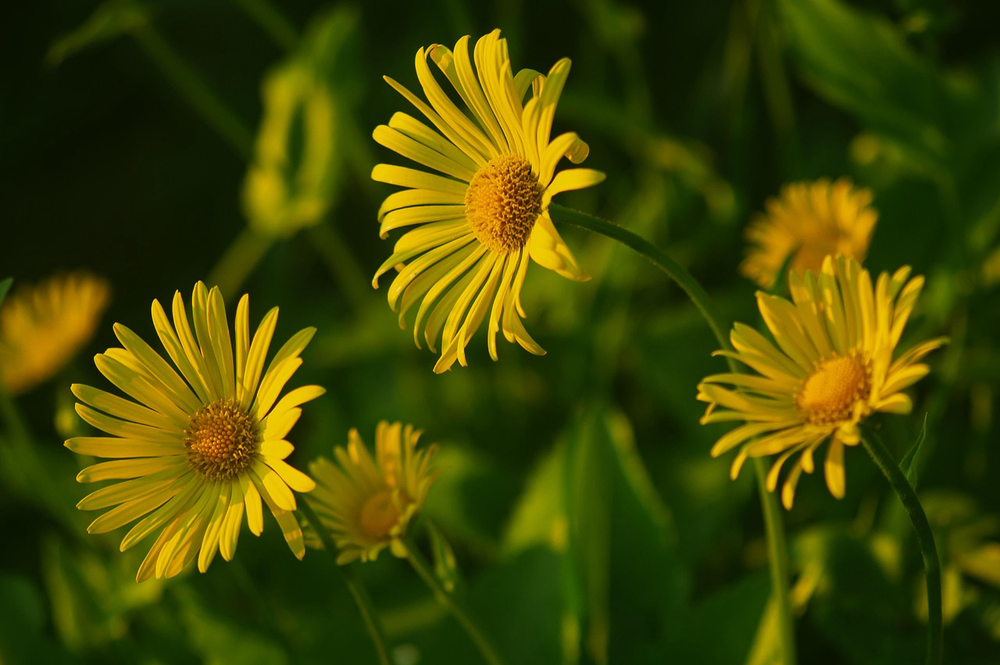
Chamomile is more than just a soothing bedtime ritual. A landmark 2016 study published in the journal Phytomedicine found that long-term use of chamomile extract significantly reduced moderate-to-severe generalized anxiety disorder (GAD) symptoms. Since anxiety is a primary driver of panic attacks, calming the underlying anxiety can naturally reduce panic frequency.
Chamomile contains apigenin, an antioxidant that binds to benzodiazepine receptors in the brain, producing a mild sedative effect without the risks associated with prescription drugs. Drinking chamomile tea regularly may help lower baseline anxiety, making you less reactive to panic triggers. For best results, consider drinking a cup in the evening or during moments of high stress.
Tip: Steep a chamomile tea bag in hot water for 5–10 minutes, cover your cup to preserve the essential oils, and sip slowly. Pairing this with deep breathing can amplify the calming effect.
2. Green Tea (L-Theanine Rich)
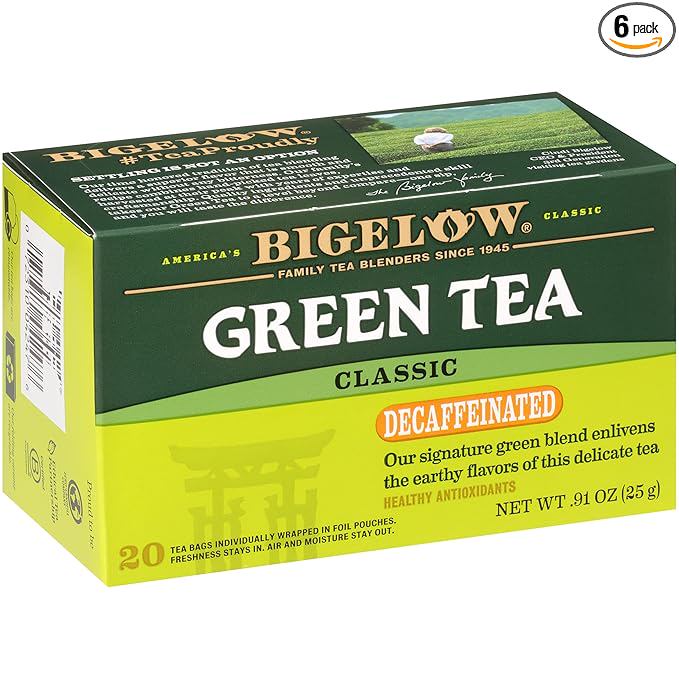
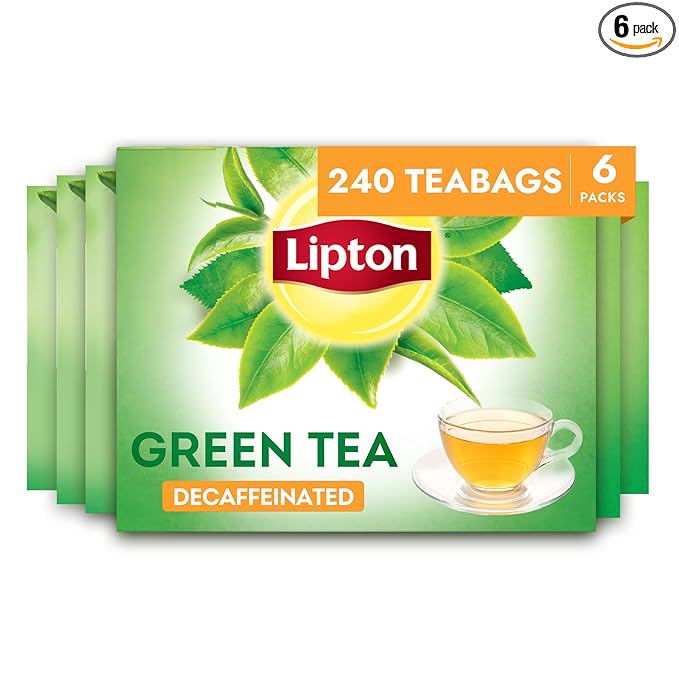
Green tea contains L-theanine, an amino acid that crosses the blood-brain barrier and promotes a state of “calm alertness.” Unlike caffeine, which can sometimes provoke anxiety and panic, L-theanine increases alpha brain waves, which are associated with relaxation without drowsiness.
A 2019 review in the Journal of Physiological Anthropology noted that L-theanine intake can reduce stress and anxiety responses in humans. Because panic attacks often involve a hyper-arousal of the sympathetic nervous system (the fight-or-flight response), L-theanine helps shift the body toward a calmer, parasympathetic state. However, choose a green tea with lower caffeine or opt for a caffeine-free version, as caffeine is a known trigger for many people with panic disorder.
If you are sensitive to caffeine, look for decaffeinated green tea, which still retains L-theanine. Drinking a warm cup mid-afternoon can help prevent the anxiety buildup that sometimes leads to evening panic attacks.
3. Tart Cherry Juice
Tart cherry juice is a rich natural source of melatonin and tryptophan, compounds that support healthy sleep and mood regulation. Poor sleep is a well-established risk factor for both anxiety and panic attacks. By improving sleep quality, tart cherry juice may help reduce the frequency of nocturnal panic attacks and morning anxiety.
Research from Nutrients (2018) suggests that tart cherry juice can improve sleep duration and quality in adults with insomnia. Since sleep deprivation heightens amygdala reactivity—the brain’s fear center—getting better rest can lower your overall panic vulnerability. Additionally, tart cherry juice is packed with antioxidants that fight oxidative stress, which has been linked to anxiety disorders.
Tip: Drink a small glass (about 6–8 oz) of unsweetened tart cherry juice 30–60 minutes before bed. Avoid varieties with added sugar, as sugar spikes can worsen anxiety.
While these drinks can be helpful, they work best as part of a comprehensive approach that includes therapy, regular exercise, mindfulness practices, and a balanced diet. Always talk to your healthcare provider before making significant changes to your routine, especially if you are on medications or have underlying health conditions.