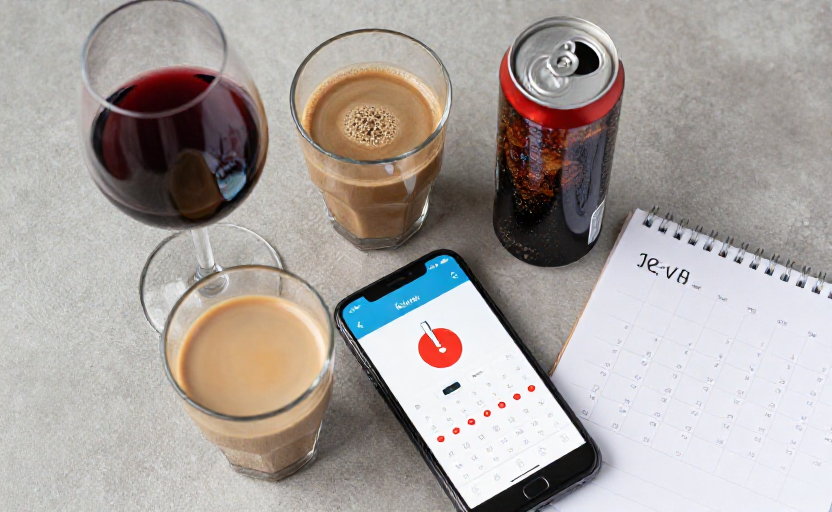
When you are tracking your menstrual cycle for fertility, every detail matters — including what you drink. Certain beverages can influence hormone balance, cervical mucus quality, and the body's ability to support ovulation. While the occasional cup of coffee or a glass of wine may not derail your efforts, some drinks can interfere with the very signs and signals you are trying to read. Below are three drinks worth limiting or skipping when you are actively charting for fertility.
1. Alcohol
Alcohol affects the body on multiple levels that matter for ovulation tracking. It can disrupt the hypothalamic-pituitary-ovarian (HPO) axis, which is the communication chain your brain and ovaries use to coordinate the menstrual cycle. Even moderate drinking may raise estrogen and testosterone levels, potentially delaying or suppressing ovulation. For those relying on basal body temperature (BBT) or ovulation predictor kits (OPKs), alcohol can also raise resting heart rate and disturb sleep quality — both of which can make your temperature chart harder to interpret. If you are trying to pinpoint your fertile window, consider cutting back to occasional light consumption or eliminating alcohol altogether during the tracking phase.
2. High-caffeine coffee and energy drinks
Caffeine is a stimulant, and for some women, more than 200–300 mg per day (roughly two to three cups of coffee) has been associated with delayed conception in certain studies. Caffeine can elevate cortisol levels, which in turn may suppress the gonadotropin-releasing hormone (GnRH) needed for ovulation. It can also tighten cervical mucus, making it less receptive to sperm. Energy drinks are particularly problematic because they often contain caffeine levels far above what a single cup of coffee provides, along with added sugars and other stimulants that may further disrupt hormone balance. If you track ovulation, consider switching to low-caffeine or caffeine-free alternatives, especially during the follicular phase leading up to ovulation.
3. Sugary sodas and sweetened beverages
Frequent consumption of sugary sodas, sweetened teas, and fruit drinks has been linked to higher rates of ovulatory infertility, even after adjusting for body weight. These beverages cause rapid spikes in blood sugar and insulin, which can disturb the delicate feedback system of follicle-stimulating hormone (FSH) and luteinizing hormone (LH). This disruption may lead to irregular cycles or anovulation (cycles where no egg is released). For someone who is already carefully timing intercourse and tracking ovulation signs, a high-sugar diet can make cycle predictability much harder. Replacing sugary drinks with water, herbal teas, or sparkling water with a splash of lemon is a straightforward swap that supports metabolic health and hormone balance.
Tracking ovulation involves interpreting physical signs — cervical mucus, temperature shifts, and hormone test results. Any drink that alters these signs or the underlying hormonal cycle can muddy the data you rely on. By reducing or eliminating alcohol, high-caffeine beverages, and sugary sodas, you give your body a clearer signal and yourself a better chance of seeing your true fertile window.