Hormonal contraceptives are a reliable and widely used method of birth control, but they can come with a range of side effects. For some people, these effects — such as nausea, headaches, bloating, or mood changes — can be frustrating enough to consider stopping their method altogether. While it's crucial to talk to your healthcare provider before making any changes to your medication, adjusting what you drink each day may help ease some of these common complaints.
Certain beverages can interact with hormonal contraceptives, either by interfering with how the medication is absorbed or by intensifying side effects. If you're currently managing side effects from the pill, patch, ring, or other hormonal birth control, these are three drinks you may want to limit or avoid.
Coffee and high-caffeine beverages
That morning cup of coffee might feel essential, but caffeine can amplify certain side effects of hormonal contraception. Estrogen, a common component of many birth control pills, can slow the rate at which your body metabolizes caffeine. As a result, caffeine lingers in your bloodstream longer, and the effects become more pronounced. This can mean jitteriness, a racing heart, heightened anxiety, and more trouble sleeping — even if you've had the same amount of coffee for years.
If you're experiencing headaches or nausea from your birth control, caffeine can also contribute to these issues. Caffeine narrows blood vessels in the brain and stimulates the digestive tract, which may worsen tension headaches or feelings of queasiness in sensitive individuals.
A practical tip: If cutting out coffee entirely feels too daunting, try switching to half-caff or green tea, which contains less caffeine per cup. Pay attention to how you feel afterward — many people notice a real difference just by dialing back.
Keep in mind that caffeine isn't only in coffee. Black and green teas, many sodas, energy drinks, and even some bottled waters now contain added caffeine. Read labels if you're tracking your intake.
Grapefruit juice
Grapefruit juice is well-known for its ability to interact with a wide range of medications — and hormonal contraceptives are no exception. Compounds in grapefruit inhibit an enzyme in your liver and intestines called CYP3A4, which is responsible for breaking down estrogen and progestin. When this enzyme is blocked, more of the synthetic hormones can circulate in your blood. While you might think that sounds beneficial, it actually throws the delicate balance of your contraceptive dose out of line, potentially increasing side effects like bloating, breast tenderness, and heavier breakthrough bleeding.
The impact of grapefruit can last for more than 24 hours, so having a glass of juice in the morning can still affect your evening dose of birth control. Other citrus fruits, like Seville oranges (often used in marmalade) and pomelos, have a similar but milder effect. Lemon, lime, and navel oranges do not appear to produce the same interaction, so you don't need to worry about standard orange juice unless you're drinking whole-pressed Seville oranges.
A practical tip: Because the interaction window is so wide, it's safest to avoid grapefruit entirely while taking hormonal contraceptives. Check the ingredients of fruit blends and smoothies — grapefruit juice can sneak in even when you don't expect it.
Alcohol
Moderate alcohol consumption does not directly reduce the effectiveness of birth control pills, patches, or rings. However, it worsens many of the side effects people already experience on hormonal contraceptives, such as nausea, dizziness, headaches, and fatigue. Alcohol is a diuretic and can contribute to dehydration, which may amplify feelings of lethargy or foggy thinking.
There's also a more indirect risk to consider. Alcohol affects judgment and decision-making. If you're drinking, you're more likely to forget a pill, apply a new patch late, or make other small but consequential errors in adherence. Birth control is only effective when used perfectly in many cases, so a pattern of drinking can unintentionally compromise consistent use.
A practical tip: If you choose to drink, start with just one serving and see how your body reacts on your current birth control. Alternate every alcoholic drink with a glass of water to stay hydrated and reduce hangover symptoms, which can compound contraceptive side effects.
What to drink instead
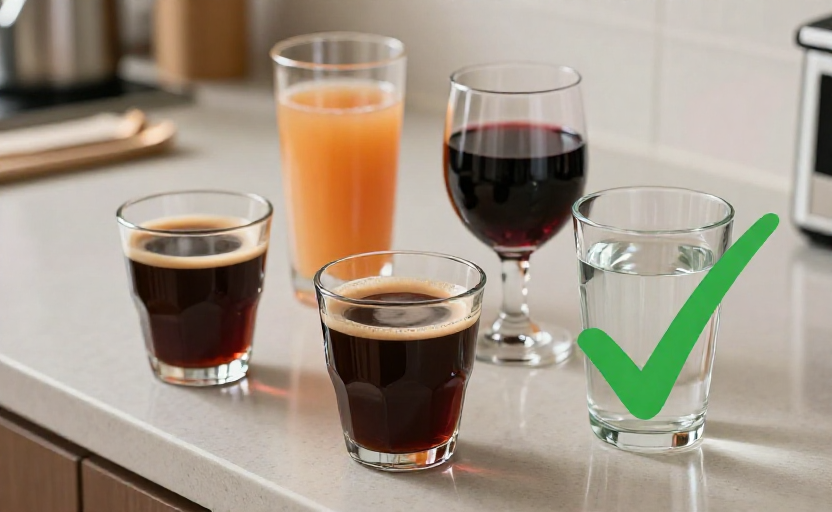
Staying hydrated is always important, but it becomes even more so when you're managing birth control side effects. Water is the best all-around choice. Milk and unsweetened nut milks also provide calcium, which can help if you're experiencing bloating or PMS-type symptoms. Herbal teas — especially those with ginger or peppermint — may ease nausea and support digestion without containing caffeine or interacting with your medication.
Managing side effects from contraception is often a process of trial and error. What works for one person may not work for another. The most important step is having an open conversation with your healthcare provider about what you're feeling and what might help. Adjusting your daily beverage choices is only one possible piece of the puzzle, but for many people, it can make a meaningful difference.