
Managing Graves’ disease, an autoimmune condition that causes the thyroid to produce too much hormone, often means paying close attention to what you eat and drink. While medication and medical monitoring are the cornerstones of treatment, certain beverages can unintentionally worsen symptoms like heart palpitations, anxiety, and sleep disturbances. We spoke with endocrinologists to pinpoint three common drinks they recommend limiting or avoiding entirely if you have Graves’ disease.
1. Energy drinks and highly caffeinated beverages
Energy drinks, strong coffee, and highly concentrated teas are at the top of the list. Because Graves’ disease already accelerates your heart rate and metabolism, adding large amounts of caffeine can amplify these effects. “Caffeine stimulates the nervous system in a way that mimics and intensifies the hyperthyroid state,” explains board-certified endocrinologist Dr. Lauren Carter. “Patients often report jitteriness, racing heart, and poor sleep after consuming energy drinks, even if they felt fine on their current medication.”
Hidden sources of caffeine also matter: Some bottled waters, protein shakes, and even sparkling waters now contain added caffeine. Check labels if you’re unsure. While a small cup of tea or coffee may be fine for some people in remission, endocrinologists generally advise reducing total caffeine intake and avoiding high-dose sources like energy shots or pre-workout drinks.
2. Sugary sodas and sweetened fruit punches
Graves’ disease can affect how your body handles glucose, and high-sugar drinks can cause rapid blood-sugar spikes followed by crashes. “These swings can worsen fatigue, irritability, and brain fog—common symptoms that people with Graves’ disease already struggle with,” says endocrinologist Dr. James Okonkwo. “Additionally, chronic high sugar intake promotes low-grade inflammation, which may theoretically influence autoimmune activity.”
Many commercial fruit drinks contain as much sugar as soda, even if they appear healthier. The body absorbs liquid sugar faster than solid food, making the metabolic impact more abrupt. Endocrinologists recommend water, unsweetened herbal tea, or sparkling water with a splash of lemon as alternatives that won’t affect blood sugar or thyroid function.
3. Alcohol, especially heavy or regular consumption
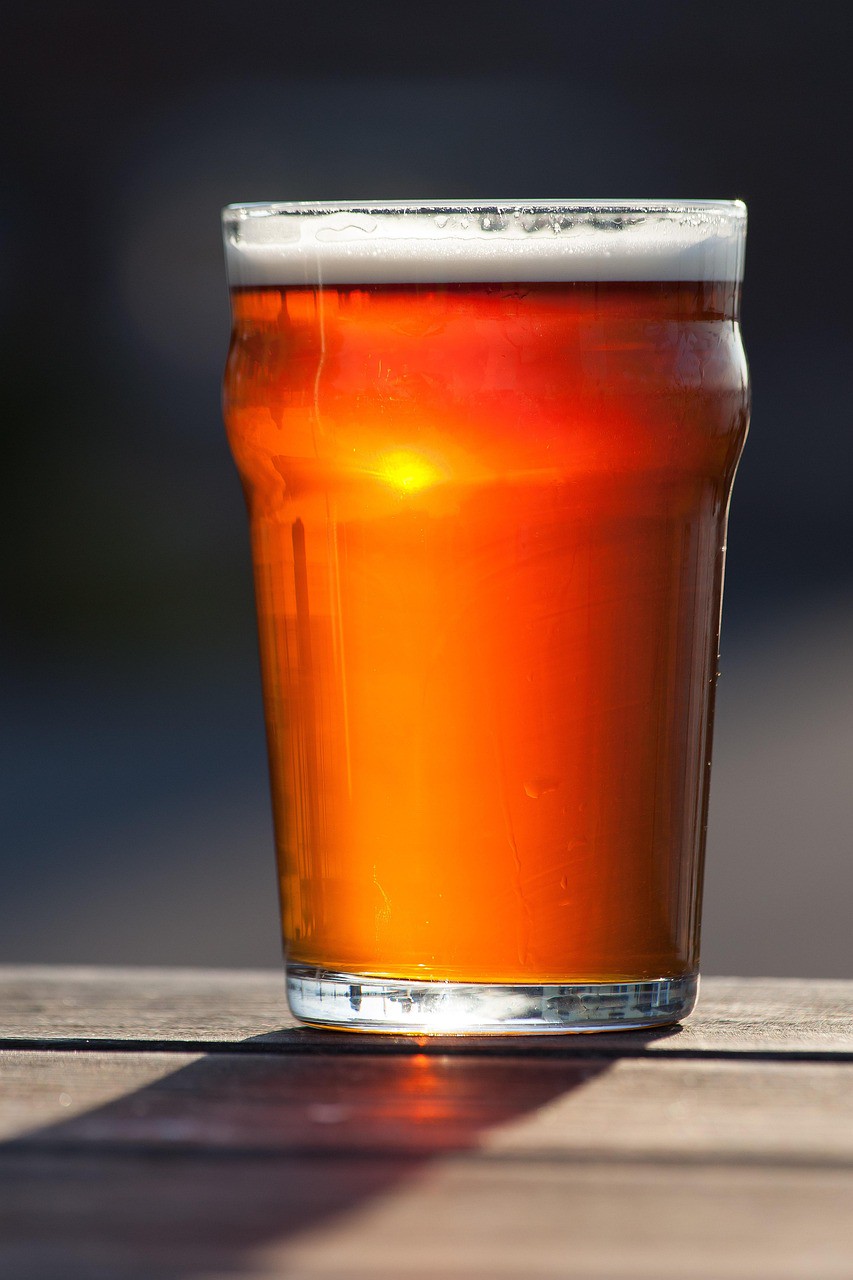
Alcohol poses several risks for someone with Graves’ disease. It can interfere with the conversion of thyroid hormone in the liver, potentially leading to unpredictable fluctuations in hormone levels. It also affects sleep quality and can worsen Graves’-related muscle weakness and mood changes. “For patients who are still working to stabilize their thyroid levels, alcohol can act like a wildcard,” warns Dr. Carter. “A single night of heavy drinking may leave you feeling terrible for days, not just from a hangover but because it seems to disrupt thyroid management.”
Further, alcohol is a known trigger for atrial fibrillation (irregular heartbeat) in susceptible individuals, and Graves’ disease already raises that risk. If you choose to drink, the recommendation typically caps at one drink per day for women and two for men—but many endocrinologists suggest avoiding it entirely until your thyroid levels are stable for several months.
A note about individual tolerance: No two people with Graves’ disease respond identically to diet changes. What triggers symptoms in one person may be tolerable for another when the disease is well controlled. Always discuss significant dietary changes with your endocrinologist, especially if you are still titrating medication.
Building a thyroid-friendlier beverage routine
Staying hydrated is important, but the choice of beverage matters. Water is always the baseline. Herbal non-caffeinated teas like rooibos, chamomile, and lemon balm are generally well tolerated. Low-sugar electrolyte drinks can be useful if you are losing fluids through sweating or illness. If you miss the ritual of coffee or soda, look for low-caffeine, low-sugar substitutes—like half-caff coffee or sparkling water with a squeeze of citrus.
Keeping a simple symptom diary for a week, noting which drinks you consume and how you feel afterward, can help you and your doctor identify patterns that are unique to you.