
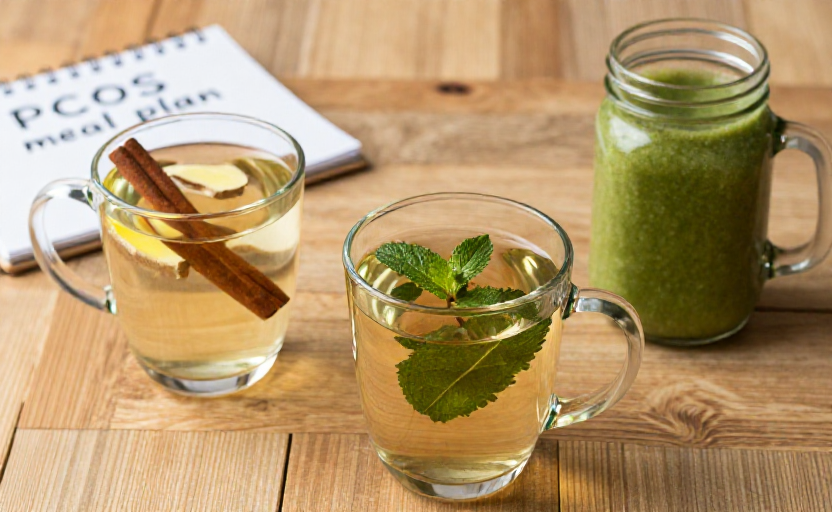
When you're building a week-long eating plan for PCOS, the focus often lands on food: lean protein, fiber-rich veggies, whole grains. But what you sip throughout the day can either support your goals or quietly work against them. For women managing PCOS, insulin resistance is a common underlying issue, and the beverages you choose have a direct impact on blood sugar regulation.
Instead of reaching for sugary lattes or diet sodas with artificial sweeteners, consider swapping in drinks that may actually enhance your body's response to insulin. These three options are easy to incorporate into a 7-day PCOS meal plan and offer steady energy without spiking your blood sugar.
Why beverage choices matter for insulin sensitivity
Insulin is the hormone that helps your cells absorb glucose from the bloodstream. When cells become less responsive—a condition known as insulin resistance—the pancreas pumps out more insulin to compensate. Over time, this can lead to weight gain, fatigue, and more severe metabolic issues. PCOS and insulin resistance are closely linked: up to 80 percent of women with PCOS have some degree of insulin resistance.
Drinks that contain high amounts of added sugar or refined carbohydrates can cause rapid blood sugar spikes, forcing an insulin surge. Conversely, beverages rich in certain plant compounds, healthy fats, or low-glycemic ingredients may help keep blood sugar steady and improve how your cells respond to insulin. In the context of a 7-day meal plan, each drink becomes a small but strategic piece of the puzzle.
1. Cinnamon and ginger infused tea
Warm, aromatic, and naturally sweet, cinnamon ginger tea is more than a comforting sipper. Both cinnamon and ginger have been studied for their potential to improve insulin sensitivity and lower fasting blood glucose.
Cinnamon contains bioactive compounds that may mimic insulin and increase glucose uptake in cells. Ginger, meanwhile, is known for its anti-inflammatory effects, which can help reduce the chronic low-grade inflammation often seen in PCOS. To make a simple infusion, steep a 1-inch piece of fresh ginger (sliced) and one cinnamon stick in hot water for 10 to 15 minutes. You can drink it hot or chilled.
Tip: Skip any sweeteners. The natural warmth and subtle spice are enough to satisfy. If you need a hint of sweetness, try a drop of stevia or a few berries muddled into the glass.
This drink works well as a mid-morning or afternoon replacement for coffee or sugary tea, and it fits seamlessly into any day of your 7-day meal plan.
2. Spearmint tea
Spearmint tea has gained attention in PCOS circles for its potential to lower free testosterone levels. But it also plays a supportive role for insulin sensitivity. Some research suggests that compounds in spearmint may help reduce oxidative stress, which can interfere with normal insulin signaling.
Unlike peppermint, spearmint has a milder, sweeter flavor that doesn't require added sugar. One to two cups per day is a commonly recommended range. In a 7-day PCOS meal plan, you might have a cup after dinner to replace a dessert drink or sip it warm in the evening instead of snacking.
Because spearmint can interact with certain medications or affect hormone levels in some individuals, it's wise to talk with your healthcare provider before making it a daily habit—especially if you are pregnant or breastfeeding.
3. Green smoothie with spinach, avocado, and unsweetened almond milk
This drink walks the line between a beverage and a light meal, which makes it ideal for a PCOS meal plan where balancing macros is key. The combination of healthy fat from avocado, fiber from spinach, and minimal sugar from unsweetened almond milk creates a drink that supports steady blood sugar levels.
Green smoothies can be part of a breakfast rotation or used as a lunchtime supplement. To keep the insulin-friendly profile, avoid adding high-sugar fruits like bananas or mangoes in large quantities. Instead, rely on a handful of spinach or kale, half a small avocado, one tablespoon of flaxseed or chia seeds, and a splash of unsweetened almond milk. Blend with ice water for a creamy texture without excess calories or carbs.
Tip: For a protein boost that can further support insulin sensitivity, add a scoop of unsweetened pea or collagen protein powder.
This smoothie provides a sustained release of energy and can help prevent the mid-afternoon blood sugar crashes that often trigger cravings for sweets or refined starches.
How to incorporate these drinks into a 7-day plan
You don't need to drink all three every day, but rotating them throughout the week keeps your palate interested and your body receiving a variety of beneficial compounds. Here is a simple guide:
- Morning: Start your day with a green smoothie (option 3) for a nutrient-dense, low-glycemic breakfast or alongside a small meal.
- Midday: Have a cup of cinnamon ginger tea (option 1) instead of a second coffee or a sugary energy drink.
- Evening: Wind down with spearmint tea (option 2), which can also help curb late-night snacking.
On days when you feel extra hungry or have a longer gap between meals, the smoothie can double as a snack. On warmer days, the cinnamon ginger tea is refreshing served over ice. Flexibility matters—what's most important is replacing high-sugar or artificially sweetened drinks with these insulin-sensitive alternatives.
Watch out for hidden sugars and additives
Even healthy-sounding drinks can undermine insulin sensitivity if they contain added sugars, syrups, or artificial sweeteners. Pre-bottled teas, commercial smoothie mixes, and flavored almond milks are common culprits. Always choose unsweetened versions and check labels for terms like cane sugar, honey, agave, or fruit concentrate.
When preparing your own drinks at home, you have full control. Use fresh or dried spices, whole fruits in measured amounts, and plant-based milks with no added sugar. If you are eating out, ask for drinks without sweetener and opt for plain tea or water with lemon.
Final thoughts
No single drink will fix insulin resistance on its own, but small daily choices accumulate. Adding cinnamon ginger tea, spearmint tea, and a low-sugar green smoothie to a 7-day PCOS meal plan is a simple, evidence-informed way to support your body's insulin sensitivity without overhauling your entire diet. Pair these drinks with balanced meals, regular physical activity, and adequate sleep for the best results.