
Navigating PCOS often feels like a constant balancing act, especially when it comes to blood sugar. Many of my clients tell me they feel frustrated by the metabolic merry-go-round: they eat what seems like a healthy meal, only to crash an hour later. It’s exhausting.
The good news is that what you sip throughout the day can be a quiet, powerful tool in your corner. We aren’t talking about complicated elixirs you need a blender and a degree in herbalism to make. We’re talking about three simple, evidence-informed drinks that nutritionists recommend for their potential to support stable glucose levels specifically in the context of polycystic ovary syndrome.
Of course, these are supportive strategies, not medical treatments. Always keep your care team in the loop before making significant changes, especially if you’re on medication like metformin.
The PCOS Blood Sugar Connection
To understand why these drinks work, we have to look at insulin. In PCOS, many women develop insulin resistance. Think of insulin as the key that unlocks your cells to let glucose in for energy. In insulin resistance, the lock gets a little sticky. The pancreas has to pump out more and more insulin to get the job done. This high insulin environment drives the ovaries to produce more testosterone, worsening PCOS symptoms like irregular periods and unwanted hair growth. Stabilizing blood sugar helps lower that insulin demand.
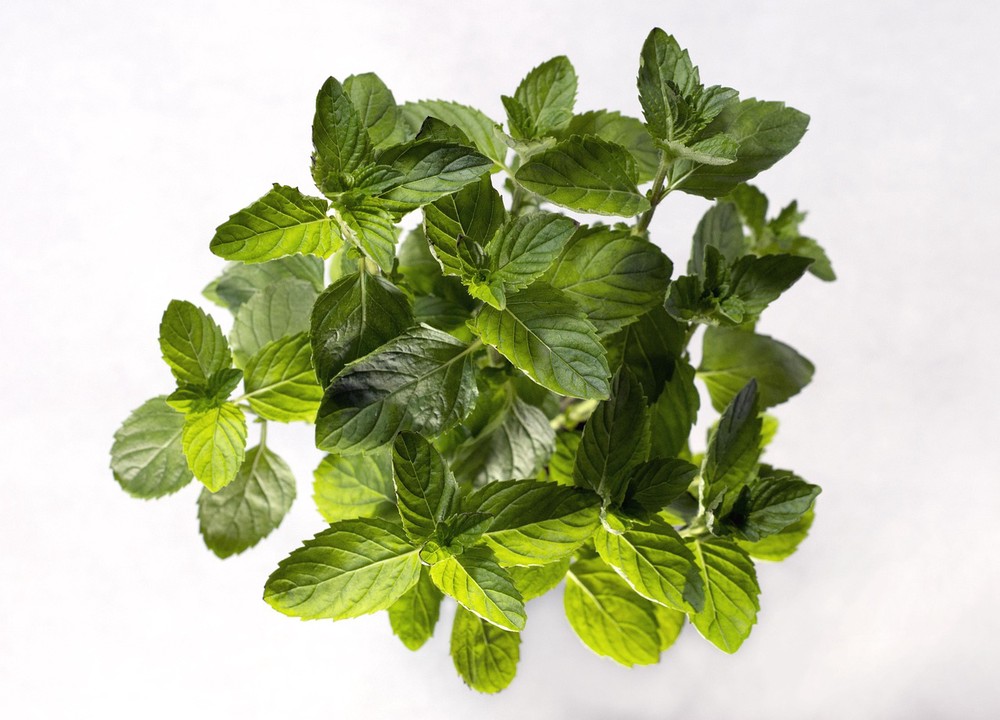
1. Spearmint Tea: Beyond the Aroma
Spearmint tea has gained a serious reputation in the PCOS community, and the science is starting to catch up. While most research has focused on its ability to lower free testosterone, its impact on insulin and glucose is quietly impressive.
A small but notable study found that women with PCOS who drank two cups of organic spearmint tea daily for 30 days showed a significant decrease in free testosterone and a beneficial increase in luteinizing hormone (LH) and follicle-stimulating hormone (FSH). More relevant to our topic here, some participants also showed improvements in fasting insulin.
The mechanism isn't fully pinned down, but it’s thought that antioxidants in spearmint, particularly rosmarinic acid, may help reduce oxidative stress, a key driver of insulin resistance. For a practical routine, swap one of your daily coffees (especially if it’s loaded with sugary creamer) for a warm cup of unsweetened spearmint tea. It’s a gentle, aromatic way to invite your metabolism to calm down.
2. Cinnamon-Infused Warm Water
I know, cinnamon seems like an old wives’ tale. But in this case, the wives may have been onto something. Cinnamon is one of the most studied spices for blood sugar management. The active compounds, particularly cinnamaldehyde and proanthocyanidins, appear to mimic insulin and increase insulin sensitivity—meaning the keys start working better in those sticky locks.
The easiest way to use this is not by buying expensive pills but by making a simple infusion. Cinnamon sticks are preferred, as they release their compounds slowly and have a milder flavor.
Try this: Simmer one cinnamon stick in 2 cups of water for 5–7 minutes. Let it cool just a bit. Sip it warm. That’s it. You can drink it between meals or with your breakfast. Avoid sugary caffeinated lattes that spike insulin; this is your swap. Don't overdo it either—a stick or a quarter teaspoon of powder a day is plenty. Start low and note how your energy feels an hour after drinking it.
3. Green Tea (or Matcha) for Gentle Glucose Control
Green tea is a heavy hitter in the metabolic health world. Its power comes from a specific catechin called epigallocatechin gallate (EGCG). This compound has been shown in clinical research to improve glucose tolerance and enhance insulin sensitivity.
For PCOS, the benefit is twofold. The EGCG appears to increase the body’s ability to take up glucose into cells after a meal, blunting the post-meal blood sugar spike. Additionally, green tea may slightly increase fat oxidation, which is helpful because excess fat, especially visceral fat, worsens insulin resistance.
- Brew it strong but not bitter: Steep 1 teaspoon of loose green tea or one tea bag for 2–3 minutes in water that's just below boiling (about 175°F). Overbrewing makes it bitter and may reduce some of the beneficial compounds.
- Matcha is a great ally: Because matcha is powdered whole green leaves, you get a more concentrated dose of EGCG. Whisk half a teaspoon into hot water for a creamy, satisfying drink.
- Keep it clean: Don’t add sugar, honey, or artificial sweeteners if your goal is glucose control. The bitterness is part of the signal to your body, and sweetness, even artificial, can sometimes still trigger an insulin response.
Building a Blood-Sugar-Friendly PCOS Routine
Drinks alone aren't a magic bullet. Their power multiplies when you pair them with smart eating and movement. Think of these drinks as your supportive team: they help the starting lineup—balanced meals, protein, fiber, and strength training—do their job better.
Consistency matters more than perfection. A cup of spearmint tea every afternoon, a mug of cinnamon water before a walk, or a matcha latte without the sweetener all add up over weeks and months. Many women with PCOS report feeling less “hangry,” having fewer energy crashes, and noticing a steadier mood within a few weeks of swapping out sugary lattes for these options.
Listen to your body. If a drink feels good and supports your energy, it’s likely working in your favor. Small, daily choices are the foundation of long-term hormonal health.