That unsteady feeling when you stand up too fast. The spots that dance across your vision. For anyone who lives with low blood pressure, dizziness can be a familiar and frustrating companion. While medication and dietary changes are the cornerstone of managing hypotension, what you sip throughout the day can also play a supporting role. Let's look at three drinks that may help steady the floor beneath your feet when low blood pressure makes you dizzy.
Before we get into specifics, a clear caveat: These are not prescriptions. They are general wellness suggestions. If your dizziness is severe, sudden, or accompanied by chest pain, fainting, or confusion, stop reading and call your doctor immediately. This article is for educational purposes and is not a substitute for professional medical advice.
What Causes That Lightheaded Feeling?
Low blood pressure, or hypotension, means your blood isn't exerting enough force against your artery walls to push oxygen-rich blood effectively to your brain. When you stand up or change position quickly, gravity pulls blood downward. If your pressure is already low, your body may struggle to adjust, leading to a temporary drop in cerebral blood flow. The result: dizziness, blurry vision, and sometimes even fainting.
For some people, this is a chronic condition. For others, it's triggered by dehydration, certain medications, prolonged bed rest, or simply a hot day. The drinks below aim to address two primary mechanisms: increasing blood volume and encouraging a modest, safe rise in blood pressure.
1. Water — The Underestimated Foundation
It sounds almost too simple, but water is the first and most critical drink for managing hypotension-related dizziness. Dehydration is one of the most common and easily reversible causes of low blood pressure. When you're dehydrated, your blood volume drops. Less volume means less pressure in your arteries. The result? That woozy feeling.
Drinking a tall glass of cool water — about 16 ounces — can acutely raise blood pressure in people with autonomic failure or orthostatic hypotension. The effect isn't permanent, but it can provide a welcome boost within minutes. The mechanism is thought to involve the sympathetic nervous system and a temporary increase in vascular resistance.
A quick sip strategy: If you know you'll be standing for a while or need to get up from a long meeting, try drinking a full glass of water 10 to 15 minutes beforehand. It's a low-risk, zero-calorie tactic that many people overlook.
For best results, make consistent hydration a habit throughout the day. Sip, don't chug, unless you feel a dizzy spell coming on. Keep a reusable water bottle at your desk or in your bag as a gentle reminder.
2. Electrolyte-Infused Beverages
Plain water is great, but sometimes your body needs a little more help retaining it. Electrolytes — specifically sodium, potassium, and magnesium — are the minerals that help regulate fluid balance in your body. For someone with low blood pressure, a mild increase in sodium intake can help raise blood volume and, in turn, blood pressure.
This doesn't mean reaching for sugary sports drinks loaded with artificial colors. Instead, consider:
- Unsweetened coconut water — naturally rich in potassium and low in sugar, it can help replenish electrolytes without causing a blood sugar spike that might leave you feeling worse.
- Homemade electrolyte drinks — mix a pinch of high-quality sea salt and a squeeze of lemon into a glass of water. The salt provides sodium, and the lemon adds a touch of potassium and vitamin C. This is especially helpful if you're also losing fluids through sweat or heat.
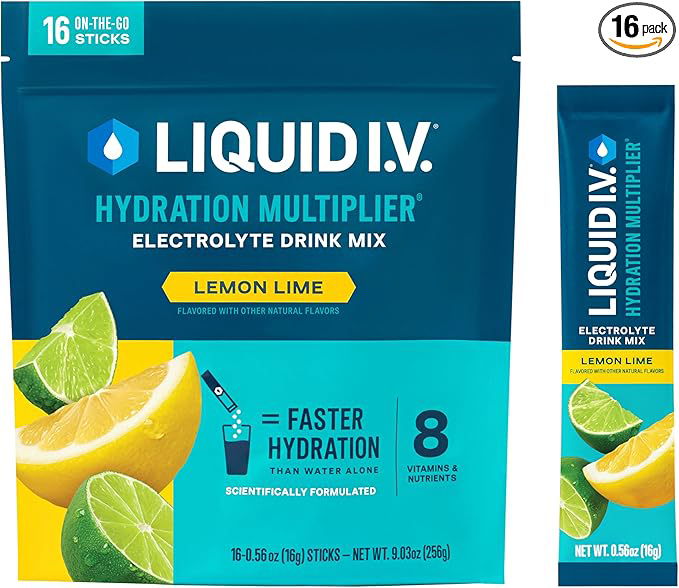
- Low-sugar electrolyte powders — choose products with minimal added sugar and a clean ingredient list. Look for ones that list sodium, potassium, and magnesium as the primary minerals.
Be cautious here. While increasing sodium can help raise blood pressure for some, it's not appropriate for everyone — particularly those with kidney disease or heart failure. Always check with your healthcare provider before making significant changes to your salt intake.
3. A Small Cup of Coffee or Black Tea
Caffeine has a reputation for raising blood pressure, but the effect is often modest and short-lived. For some people with chronic low blood pressure, a morning cup of coffee or black tea can provide enough vascular constriction to ease that lightheaded feeling.
The key word is small. A standard 8-ounce cup of coffee contains about 80–100 mg of caffeine, which is enough to produce a temporary uptick in blood pressure — typically 5 to 10 points systolic — in people who aren't regular caffeine consumers. Regular drinkers may build up a tolerance, dampening the effect.
Read labels carefully: If you have a heart condition, arrhythmia, or anxiety disorder, caffeine may not be the right choice. Even in small amounts, it can cause palpitations, jitters, or sleep disruption.
If you enjoy the ritual of a warm cup, go ahead. But don't rely on caffeine as your primary strategy. It's best used as an occasional tool — say, before a long drive or a social event where you'll be standing for a while — rather than a daily crutch.
What About Alcohol?
This is worth a quick mention because it's a common question. Alcohol is a vasodilator — it relaxes and widens blood vessels, which can lower blood pressure further. For people prone to dizziness, alcohol can make symptoms worse, especially if consumed on an empty stomach or in a warm environment. If you notice that a glass of wine or beer makes you feel unsteady, it's best to avoid it or limit it to minimal amounts with food.
When to See a Doctor
If dizziness is interfering with your daily life, happening frequently, or causing you to faint, it's time to have a conversation with your doctor. Low blood pressure isn't always dangerous — in fact, it can be a sign of good cardiovascular fitness for some people — but it can also point to underlying issues like dehydration, nutritional deficiencies, heart problems, or neurological conditions.
Your doctor may recommend checking your blood pressure in different positions (lying, sitting, standing), running blood tests, or adjusting any medications you're taking. They might also suggest increasing your salt intake in a controlled way or trying compression stockings to improve blood flow. None of these are substitutes for the drinks discussed above, but they may work together as part of a comprehensive plan.
Putting It All Together
If low blood pressure makes you dizzy, the simplest place to start is with water. Build from there. Add electrolytes if you're active, sweating, or not getting enough from food. And consider a small caffeinated drink if it feels right for you and your doctor agrees.
Keep a log for a week. Note what you drink, when you drink it, and how dizzy you feel afterward. This kind of personal data can be incredibly helpful — both for you and for your healthcare provider. Listen to your body. It's usually trying to tell you something.