

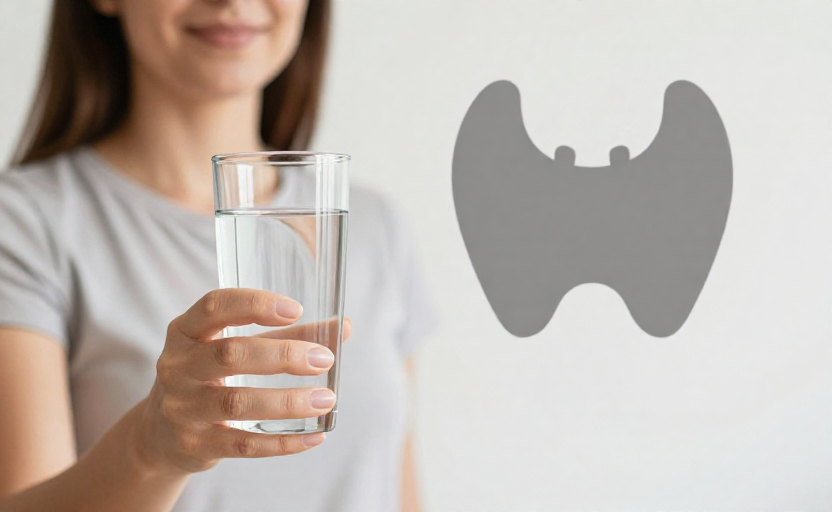
If you take thyroid medication, you already know that timing matters. But what about what you wash it down with? The beverage you choose at that critical moment can either help your body absorb the medicine or quietly interfere with it. While plain water remains the gold standard, some research and clinical experience suggest that a few specific drinks might support better absorption when used correctly. Let's look at three options that could make a real difference.
It's important to note that thyroid medication—typically levothyroxine—is notoriously sensitive. Calcium, iron, fiber, and even coffee can bind to the drug in your gut, reducing how much reaches your bloodstream. The goal isn't to find a drink that "boosts" the medication, but rather one that avoids common absorption blockers and creates favorable conditions in the stomach.
What's the Problem with Most Beverages?
Many common morning drinks—think coffee, orange juice, or milk—contain compounds that reduce levothyroxine absorption by 20% to 40% or more. Calcium in milk, the acidity of citrus, and the polyphenols in coffee all interfere. Even soy milk and high-fiber smoothies can cause issues. That's why the standard advice is to take your medication on an empty stomach with a full glass of plain water, then wait 30 to 60 minutes before eating or drinking anything else.
But what if you could drink something that doesn't just avoid interference but actively supports the process? The answer lies in choosing beverages that are free of absorption-hindering compounds and that may help the medication dissolve and pass into your system more efficiently.
Drink #1: Filtered or Spring Water
This may seem too simple to count, but high-quality water is actually the best drink for thyroid medication absorption. The key is that it must be free of additives. Tap water containing chlorine, fluoride, or even trace amounts of minerals like calcium and magnesium can theoretically interact. Filtered water or natural spring water with a neutral pH provides a clean, inert delivery system. It does not bind to the drug, helps it dissolve quickly with stomach acid, and moves it efficiently into the small intestine where most absorption occurs.
One practical tip: room temperature water may be slightly better than ice-cold water, because cold liquids can slow gastric emptying. That means the medication sits in the stomach longer, increasing the chance that food or stomach acids degrade some of it. A glass of water at around body temperature is gentle and efficient. If you want to stay safe, this is your baseline.
Drink #2: Unsweetened Electrolyte Water
Electrolyte-enhanced water—without added sugar, citric acid, or vitamins—is another option that some endocrinologists discuss. The logic is that trace amounts of electrolytes like sodium and potassium can support normal stomach acid production and gut motility, both of which play a role in absorption. However, it's critical to check the label: many electrolyte waters contain calcium, magnesium, or vitamin C, all of which can interfere with levothyroxine. Look for products with only sodium and potassium, and absolutely nothing else.
“A pinch of salt in a glass of water has been used for decades in clinical settings to help with medication absorption. It’s not a trendy hack, just solid physiology.”
If you don't want to buy a specialty product, you can make your own: dissolve a tiny pinch of sea salt (about 1/16 teaspoon) into eight ounces of filtered water. This gives you a mild, mineral-balanced drink without any of the added ingredients that could cause trouble. Take your medication with this water, and avoid any flavored or colored electrolyte drinks.
Drink #3: Weak, Caffeine-Free Herbal Tea (Room Temperature)
Most people think of coffee when they need a morning beverage, but caffeine is a known barrier to thyroid medication uptake. However, certain herbal teas—specifically chamomile, ginger, or rooibos—are naturally caffeine-free and low in oxalates and tannins. The catch is that you must brew them very weak and let them cool to room temperature. Hot liquids can accelerate gastric emptying too quickly, and strong tea (even herbal) contains enough plant compounds to potentially bind with the medication.
Why room temperature? Besides the gastric emptying issue, hot liquids cause the stomach to produce more mucus and digestive enzymes, which can dilute the medication. A barely steeped, lukewarm cup of ginger or rooibos tea provides hydration without these complications. Ginger in particular has been studied for its prokinetic effects on the gut, meaning it can gently encourage the digestive tract to move food—and medication—along at a steady, healthy pace.
Important: Never use green tea, black tea, or any tea with added citrus or dairy. And do not sweeten it. Even honey can alter stomach pH enough to reduce absorption. The goal is to make a tea that is essentially flavored water with minimal interference.
Practical Reminders for Taking Thyroid Medication
These drinks may help, but the foundational rules still apply. Always take your medication first thing in the morning, at least 30–60 minutes before eating or drinking anything else. If you need to take it at a different time of day (for example, at bedtime), that is also effective—as long as you have not eaten for at least three to four hours prior. Consistency is more important than the specific beverage you choose, because your body adapts to routine.
- Do not take your medication with coffee, milk, orange juice, or grapefruit juice. These are the most common absorption reducers.
- Wait a full hour before consuming anything containing calcium, iron, or soy.
- If you take antacids or iron supplements, separate them from your thyroid medication by at least four hours.
If you find that your lab values are inconsistent or that you're still experiencing symptoms after taking your medication correctly, speak with your healthcare provider. They can check absorption issues, adjust your dosage, or recommend a different timing strategy. A simple change in the beverage you use can sometimes make a significant difference, but it should always complement—not replace—your prescribed routine.








