
For anyone navigating the hormonal maze of polycystic ovary syndrome (PCOS), elevated androgen levels are often a primary concern. Excess androgens like testosterone can drive unwanted symptoms such as acne, hair thinning, and irregular periods. While diet is never a replacement for medical care, a thoughtful shift in what you drink can be a gentle, evidence-informed way to support your body's natural hormone balance. Dietitians specializing in PCOS point to three specific beverages that may help curb those high androgen levels, and they won't ask you to sip on bitter teas you hate.
What's the link between drinks and androgens?
Your liver and gut microbiome play major roles in how your body processes and eliminates excess hormones. Certain plant compounds in these three drinks—flavonoids, polyphenols, and specific antioxidants—can help inhibit the enzymes that promote androgen production, improve insulin sensitivity (a key driver of PCOS symptoms), and reduce inflammation. When insulin comes down, androgen production often follows. The drinks below are some of the most research-backed options dietitians recommend.
1. Spearmint tea: A surprising androgen antagonist
Spearmint tea is the standout recommendation for lowering free testosterone. Unlike peppermint, spearmint contains high levels of an antioxidant called rosmarinic acid, which has been shown in several studies to reduce free and total testosterone levels in women with PCOS. One small but widely cited 2010 study found that drinking two cups of organic spearmint tea daily for 30 days significantly decreased free testosterone.
Dietitians appreciate it because it's gentle, caffeine-free, and easy to drink warm or iced. To get the most benefit, steep two tea bags (or one heaping tablespoon of loose-leaf spearmint) in hot water for at least 10 minutes to extract the active compounds. Consistency matters—this is a gradual shift, not a quick fix.
Tip: Choose pure spearmint tea, not blends with added flavorings or other herbs. You want the concentration of rosmarinic acid to be as high as possible.
2. Green tea: Catechins for insulin and hormone balance
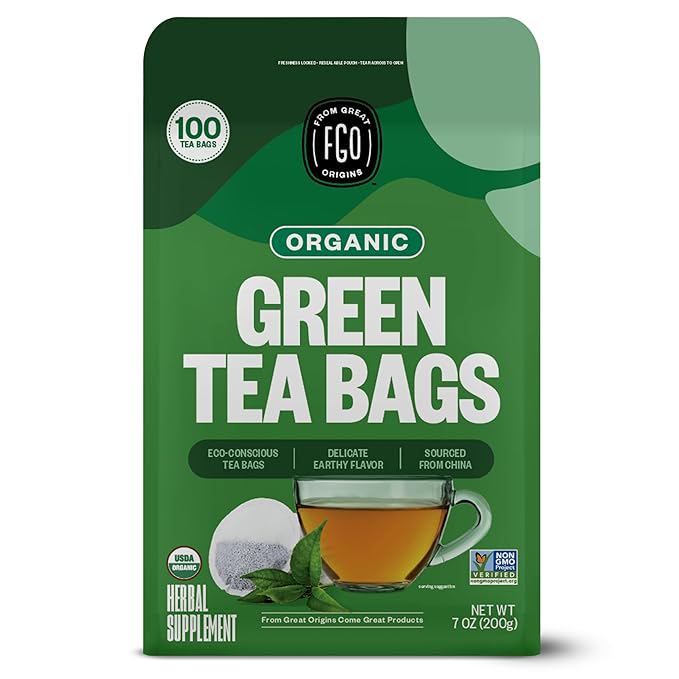
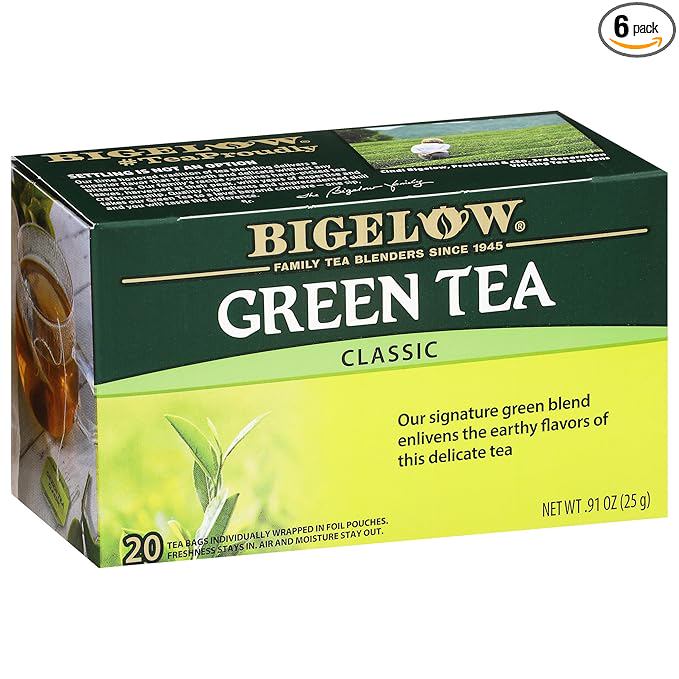
Green tea is rich in a group of polyphenols called catechins, particularly epigallocatechin gallate (EGCG). These compounds are well-studied for their ability to improve insulin sensitivity and reduce oxidative stress—two factors that are deeply tied to PCOS. When your cells respond better to insulin, the ovaries pump out less androgen.
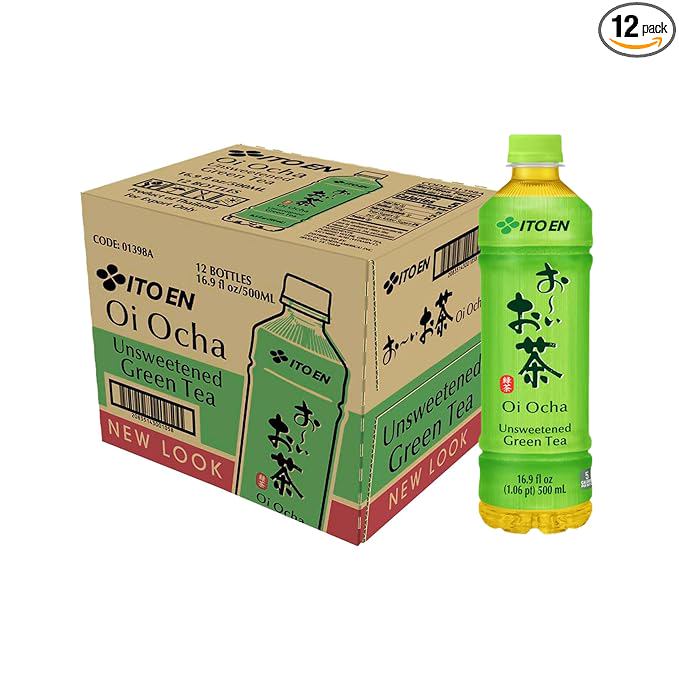
A 2020 meta-analysis of randomized controlled trials found that green tea supplementation (both tea and extracts) significantly reduced total testosterone levels in women with PCOS. The effect appears to be modest but consistent. Dietitians recommend drinking 2-3 cups of freshly brewed green tea daily. Bottled or powdered green teas often have far fewer catechins and may contain added sugars, so stick with brewed loose-leaf or bagged tea. If you are sensitive to caffeine, a small amount of matcha is fine, or look for decaffeinated green tea (which still retains most of the antioxidant content).
3. Cinnamon tea: A gentle insulin sensitizer
Cinnamon isn't just a cozy spice—it acts as a potent insulin sensitizer in the body. Multiple studies have shown that cinnamon can help lower fasting insulin and blood sugar levels in women with PCOS, and lower insulin typically leads to lower androgen levels. One 2018 randomized trial found that daily cinnamon consumption (along with a healthy diet) improved menstrual regularity and reduced testosterone levels significantly more than diet alone.
You can make cinnamon tea by simmering a stick of Ceylon cinnamon (cassia can be used but has higher coumarin content—Ceylon is preferred for daily use) in water for 10 minutes, or simply steep a cinnamon tea bag. A half-teaspoon of cinnamon powder stirred into hot water also works. Dietitians often pair cinnamon tea with meals to help blunt the insulin spike that can trigger androgen production.
Important note: Stick with Ceylon cinnamon if you are drinking it daily. Cassia cinnamon contains higher levels of coumarin, a compound that can stress the liver in large amounts.
What about coffee, soda, or smoothies?
You may have noticed that coffee isn't on the list. While moderate coffee drinking is generally fine for PCOS, it doesn't have the same hormone-lowering properties as these three drinks. Soda and sugary beverages, on the other hand, can spike insulin and worsen androgen levels—so swapping one sugary drink for a cup of spearmint tea is a net positive. Smoothies can be healthy, but if they are loaded with fruit juice and not enough protein or fiber, they can raise blood sugar, which counteracts the goal of lowering androgens.
Putting it all together
None of these drinks is a magic bullet. They work best as part of a broader PCOS management plan that includes balanced meals, regular physical activity, adequate sleep, and any prescribed treatments from your healthcare provider. But if you are looking for small, daily habits that support your hormones, adding one of these three beverages is a low-risk, dietitian-approved start. Drink them consistently, watch for how your body responds over a few months, and keep celebrating the small wins.