When it comes to managing cholesterol, most of us know the basics: eat less bacon, put down the butter, and maybe think twice about that second cheeseburger. But if you have been doing all that and your lab results still look rocky, you might be tripping over some quieter dietary pitfalls. Cardiologists see this pattern every day—patients who are trying hard but sabotaging their progress with a few well-intentioned missteps.
The truth is, cholesterol management is not just about dodging obvious saturated fats. It is about understanding how everyday habits—ones that often fly under the radar—can quietly nudge your LDL (the "bad" kind) up and your HDL (the "good" kind) down. Here are three of the most common diet mistakes that heart specialists wish you would stop making.
1. Loading Up on “Lean” Processed Meats
You swapped the ribeye for turkey bacon and replaced salami with lean ham. Good for you, right? Not so fast. Many processed meats, even the ones labeled “lean,” are loaded with sodium, nitrates, and preservatives that can contribute to inflammation and negatively impact your cholesterol profile. Cardiologists point out that deli meats, hot dogs, and sausages often contain hidden saturated fats and additives that can raise LDL levels over time.
Instead of lean processed meats, try getting your protein from whole sources. Think grilled chicken breast (not the cold-cut version), fish, beans, lentils, or tofu. If you do buy packaged meats, check the label: any saturated fat content above 1–2 grams per serving should be a red flag. And remember, just because it is turkey does not mean it is heart-friendly.
2. Drinking Your Sugar (Yes, Even the “Healthy” Juices)
Fruit juice has a health halo that is very hard to break. It comes from fruit, after all. But when you juice an orange or an apple, you strip away the fiber that helps slow down sugar absorption. What you are left with is a concentrated sugar bomb that can spike triglycerides—a type of fat in your blood that is closely linked to heart disease risk.
Cardiologists note that excess sugar consumption, especially in liquid form, can lower HDL (good) cholesterol and raise triglycerides. The same goes for sweetened coffee drinks, sports beverages, and that innocent-looking bottled smoothie that packs 40 grams of sugar. Water, unsweetened tea, and black coffee are the go-to choices. If you crave flavor, add a splash of lemon or a few mint leaves. Your arteries will thank you.
3. Avoiding Healthy Fats Because You Think All Fat Is Bad
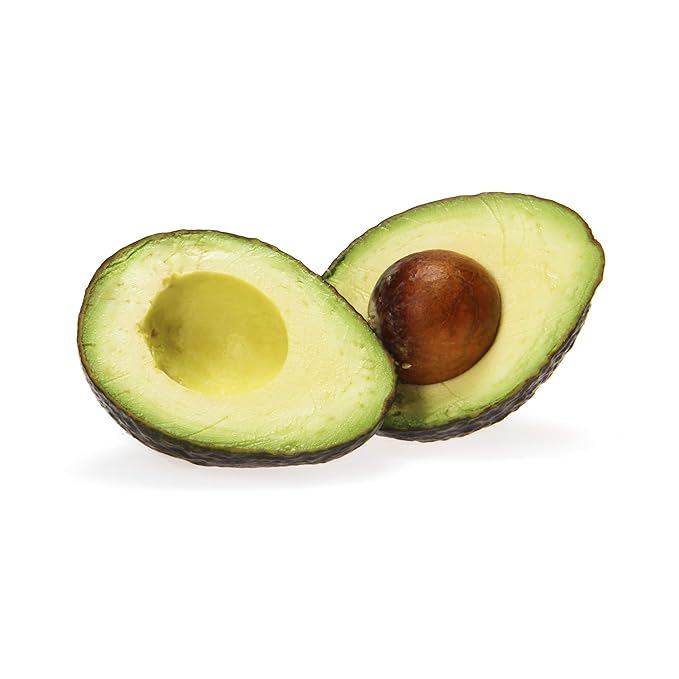
This is a big one. After decades of “low-fat” diet messaging, many people still believe that eating any fat will clog their arteries. Cardiologists say this is one of the most persistent and harmful myths. The reality is that unsaturated fats—the kind found in avocados, nuts, seeds, and olive oil—can actually help improve your cholesterol by lowering LDL and boosting HDL.
The mistake is either cutting out fats entirely or replacing them with refined carbohydrates like white bread, pasta, and sugary snacks. That swap tends to lower good cholesterol and increase triglycerides, creating a worse overall lipid profile. A better approach is to embrace small amounts of healthy fats while reducing saturated and trans fats. Drizzle extra-virgin olive oil over your salad instead of reaching for a fat-free dressing loaded with sugar. Snack on a handful of almonds rather than pretzels. Healthy fats are not the enemy—the right fats are your allies.
Fixing your cholesterol does not require perfection. It just requires noticing the blind spots. Skip the diet soda (studies link artificial sweeteners to metabolic issues) and watch out for “low-fat” baked goods that are often high in sugar and refined flour. A heart-healthy diet is more about balance and whole foods than about strict rules.
If you suspect any of these mistakes might be part of your routine, start with small changes. Replace your morning OJ with a whole piece of fruit. Swap your turkey sandwich for a quinoa bowl with veggies. Cook with avocado oil instead of butter. Over time, those small moves add up to real, measurable improvements—and your cardiologist will notice the difference at your next checkup.
A note from our editors: This article is for informational purposes only and does not replace medical advice. Always consult your healthcare provider before making significant changes to your diet or treatment plan.