
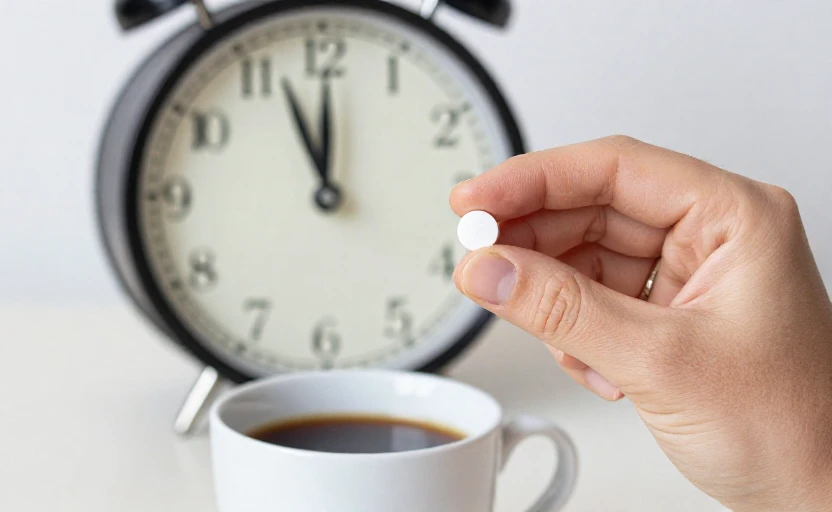
Managing a thyroid condition often involves a delicate daily ritual: taking your medication at the right time, in the right way, to ensure your body gets the consistent support it needs. While the pill itself is small, its effectiveness can be surprisingly vulnerable to the rhythm of your everyday life. What you eat, drink, and even when you take other supplements can create silent interference, making it harder for your medication to work as intended.
This isn't about blame or creating anxiety around your routine. It’s about empowerment through understanding. By identifying a few common habits that can disrupt absorption, you can make simple, informed adjustments. The goal is to help your medication work seamlessly, supporting steadier energy levels, mood, and overall well-being.
Why Timing and Absorption Matter So Much
Thyroid hormone replacement, like levothyroxine, is designed to mimic the hormone your thyroid would naturally produce. For it to be effective, it needs to be absorbed consistently through your digestive system and into your bloodstream. Even small, daily disruptions can lead to fluctuations in your hormone levels, which might manifest as lingering symptoms like fatigue, brain fog, or feeling colder than usual, even when your dose is theoretically correct.
Think of it like trying to fill a glass of water under a faucet. If the flow is steady, the glass fills predictably. But if something partially blocks the faucet each morning—even for a short time—the glass may not fill completely. Over days and weeks, that small deficit adds up. The habits we’ll discuss are those potential “blockages” for your medication.
1. The Morning Coffee and Breakfast Rush
For many, the morning sequence is automatic: take pill, brew coffee, eat breakfast, start the day. This convenient routine, however, is the most common culprit in medication interference.
Coffee, especially black coffee, contains compounds that can bind with thyroid medication in the gut, significantly reducing how much your body can absorb. One study suggested this reduction could be as high as 30% or more if the medication is taken with coffee. It’s not just caffeine; even decaffeinated coffee appears to have this effect.
Similarly, eating a meal—particularly one high in fiber or calcium—right after your pill creates a physical barrier. The food speeds digestion and can carry the medication through your system before it has a full chance to dissolve and be absorbed.
Try this: Take your medication with a full glass of plain water on an empty stomach. Then, wait at least 30 to 60 minutes before having your coffee, tea, or breakfast. This window gives your medication a clear pathway.
2. Taking Vitamins and Supplements at the Same Time
It’s logical to bundle your pills together to remember them all. But this well-intentioned habit can backfire with thyroid medication. Certain minerals are notorious for binding to the hormone, forming a complex that your body cannot use.
- Calcium and Iron: These are the two biggest offenders. Calcium supplements (including antacids like Tums) and iron supplements can dramatically decrease absorption. This includes the calcium found in fortified dairy or plant milks.
- Magnesium and Zinc: While essential minerals, they can also interfere if taken simultaneously.
- Multivitamins: Most contain at least one of the minerals above, making them a source of potential interference.
The solution isn’t to stop these supplements if they’re recommended for you, but to space them out. A gap of 3 to 4 hours between your thyroid medication and any supplement containing these minerals is generally considered safe to avoid interaction.
A Note on Biotin
Biotin (a common B-vitamin in hair, skin, and nail supplements) doesn’t affect absorption, but it can interfere with the blood tests used to measure your thyroid hormone levels. It can make results appear falsely normal or even hyperthyroid. It’s often advised to stop taking biotin for at least 3-5 days before having your thyroid blood work drawn.
3. The Timing of High-Fiber and Soy Foods
Dietary fiber is crucial for health, but a very high-fiber meal taken close to your medication can reduce absorption. This doesn’t mean you should avoid fiber; rather, be mindful of timing. If you enjoy a high-fiber breakfast like oatmeal with flaxseed or a smoothie with chia seeds, aim to take your medication well beforehand.
Soy products, such as soy milk, tofu, tempeh, and edamame, have been a topic of discussion for years. Current evidence suggests that moderate amounts of soy foods are likely fine for most people, but consuming large quantities—think multiple servings of soy milk, protein powder, and tofu all at once—close to your medication might impact absorption due to their isoflavone content. Consistency is key here. If you regularly consume soy, keep the pattern consistent and try to maintain a gap from your medication, so your dose can be calibrated accurately for your normal diet.
Building a Simpler, More Effective Routine
The common thread here is separation. The simplest habit change you can make is to create a clean, clear space for your thyroid medication to be absorbed alone.
Many find success by keeping their medication and a glass of water on the nightstand. They take it first thing upon waking, then get ready for the day, allowing the full 30-60 minute window to pass before consuming anything else. Others set a reminder on their phone for their coffee break. Find a rhythm that integrates seamlessly into your life.
If your schedule makes mornings impossible, taking your medication at bedtime, at least 3-4 hours after your last meal or snack, is a well-researched and effective alternative. This can sometimes even improve absorption compared to a crowded morning.
Remember, the goal isn’t perfection. It’s consistency. If you have an occasional rushed morning, don’t panic. Just return to your routine the next day. The most important step is to discuss any planned habit changes with your doctor or pharmacist, especially before adjusting the time you take your dose. They can help you personalize these guidelines and ensure your treatment remains on track.