Most people think of arterial plaque as something that creeps up silently over decades, the result of genes or bad luck. But the truth is, what you do every single day either slows that process down or speeds it up. Cardiologists see it all the time: patients who eat well on paper but still develop blockages, because the real culprits are hiding in plain sight—in daily routines that feel harmless.
Here are three surprisingly common daily habits that research links to faster plaque formation, plus realistic swaps that protect your arteries without demanding a complete life overhaul.
Habit #1: Sitting for hours without a break
It doesn’t matter if you exercise for 45 minutes in the morning. If you then sit at a desk, in a car, or on a couch for the rest of the day without getting up, your blood vessels pay a price. Prolonged sitting reduces blood flow in the legs and pelvis, increases inflammation markers, and lowers the activity of an enzyme called lipoprotein lipase, which normally helps clear triglycerides from the blood. Over time, that sluggish circulation and higher fat load encourage plaque to settle along artery walls.
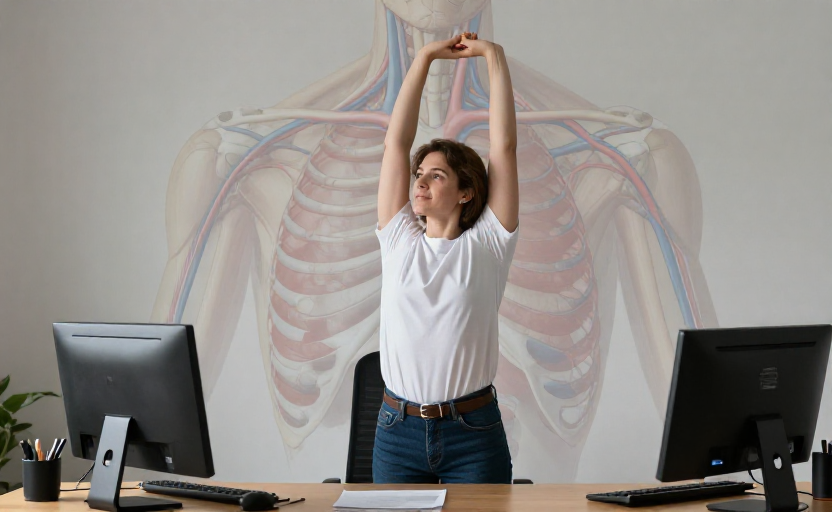
What to do instead: Interrupt sitting every 30 minutes. Stand up for two minutes, walk to the kitchen, stretch your arms overhead, or do a few calf raises. That brief movement restores blood flow and reawakens the fat-clearing enzymes. If you have a standing desk, alternate between sitting and standing—but don’t stand still for hours either; gentle movement is the goal.
Habit #2: Eating added sugar early in the day—and late at night
Sugar isn’t just about empty calories. When you consume high amounts of added sugar—especially from sweetened coffee drinks, flavored yogurts, breakfast cereals, or late-night snacks—your body responds by releasing insulin and triggering a cascade of inflammation. Chronic high blood sugar and insulin spikes damage the endothelium (the thin lining of your arteries), making it easier for LDL cholesterol to stick and oxidize. Oxidized LDL is the kind that gets gobbled up by immune cells and turns into foam cells, the building blocks of plaque.
What to do instead: Rethink your breakfast. Choose plain Greek yogurt with berries instead of a sweetened fruit cup or cereal bar. For your coffee or tea, use a small amount (one teaspoon or less) of sugar if you need it, or switch to a pinch of cinnamon. At night, if you crave something sweet, reach for a piece of whole fruit rather than a cookie or bowl of ice cream. The fiber in fruit blunts blood sugar spikes.
Habit #3: Using any form of tobacco—including vaping
Many people who have switched to e-cigarettes or heated tobacco devices assume they’re protecting their heart. But research shows vaping still damages blood vessels: it increases oxidative stress, stiffens arteries, and raises blood pressure—all factors that accelerate plaque development. Even occasional use, like a few puffs at a party, causes a measurable drop in vascular function within minutes.
What to do instead: If you use any tobacco or nicotine product, the most protective move is to stop entirely. Nicotine itself is a vasoconstrictor that raises heart rate and blood pressure. For support, talk to your healthcare provider about timeline-based strategies, nicotine replacement products (like gum or patches used as directed), or behavioral counseling. Your arteries begin to repair themselves within weeks after quitting, and that progress is real and measurable.
A quick note on prevention: While these habits matter, plaque formation is also influenced by genetics, age, and underlying conditions like high LDL or diabetes. These swaps are powerful tools, not a guarantee against heart disease. Work with your doctor on a comprehensive plan.
Making the shift stick
You don’t have to change everything at once. Pick one habit from this list and try the healthier alternative for two weeks. Notice how you feel—more energy, better digestion, maybe even fewer cravings. That positive feedback loop is what turns a swap into a lasting routine. Your arteries don’t need perfection. They just need consistent, small upgrades.