
Managing hyperthyroidism is a delicate balancing act. The goal of treatment—whether with medication, radioactive iodine, or other approaches—is to bring your overactive thyroid back into a stable, normal range, a state called euthyroidism. It’s a process that requires patience and precision. Yet, even with the best intentions, certain common missteps can quietly undermine your progress, leading to prolonged symptoms or frustrating setbacks.
Recognizing these pitfalls isn't about assigning blame; it's about empowerment. By understanding where the path can get rocky, you and your healthcare provider can build a more resilient and effective treatment plan together.
Mistake 1: Inconsistent Medication Timing
For those on anti-thyroid drugs like methimazole or propylthiouracil (PTU), consistency is not just helpful—it's foundational. These medications work by gradually reducing the amount of thyroid hormone your gland produces. Taking them at wildly different times each day creates a fluctuating level of the drug in your bloodstream.
Think of it like trying to maintain a steady room temperature by randomly turning the heater on high for a few hours, then off for a long stretch. The result is uncomfortable swings between too hot and too cold. Similarly, inconsistent dosing can cause your thyroid hormone levels to yo-yo, preventing your body from settling into the stable state it needs.
Set a daily alarm or pair your dose with another unwavering habit, like brushing your teeth. A simple pill organizer can be a visual safeguard against missed or double doses.
This consistency becomes even more critical before blood tests. If your dosing schedule in the days leading up to your lab work isn't your typical routine, the results may not accurately reflect your usual thyroid hormone levels. This can lead to unnecessary dosage adjustments that throw off your carefully managed balance.
Mistake 2: Overlooking the Impact of Supplements and Foods
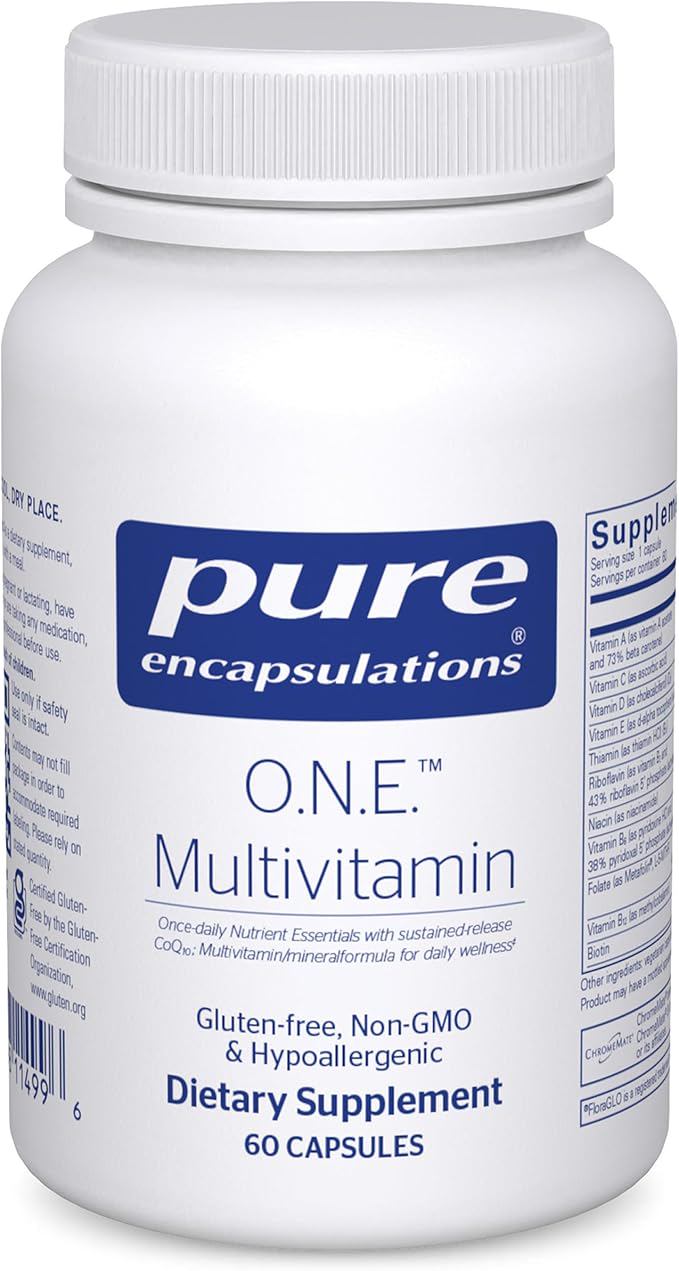
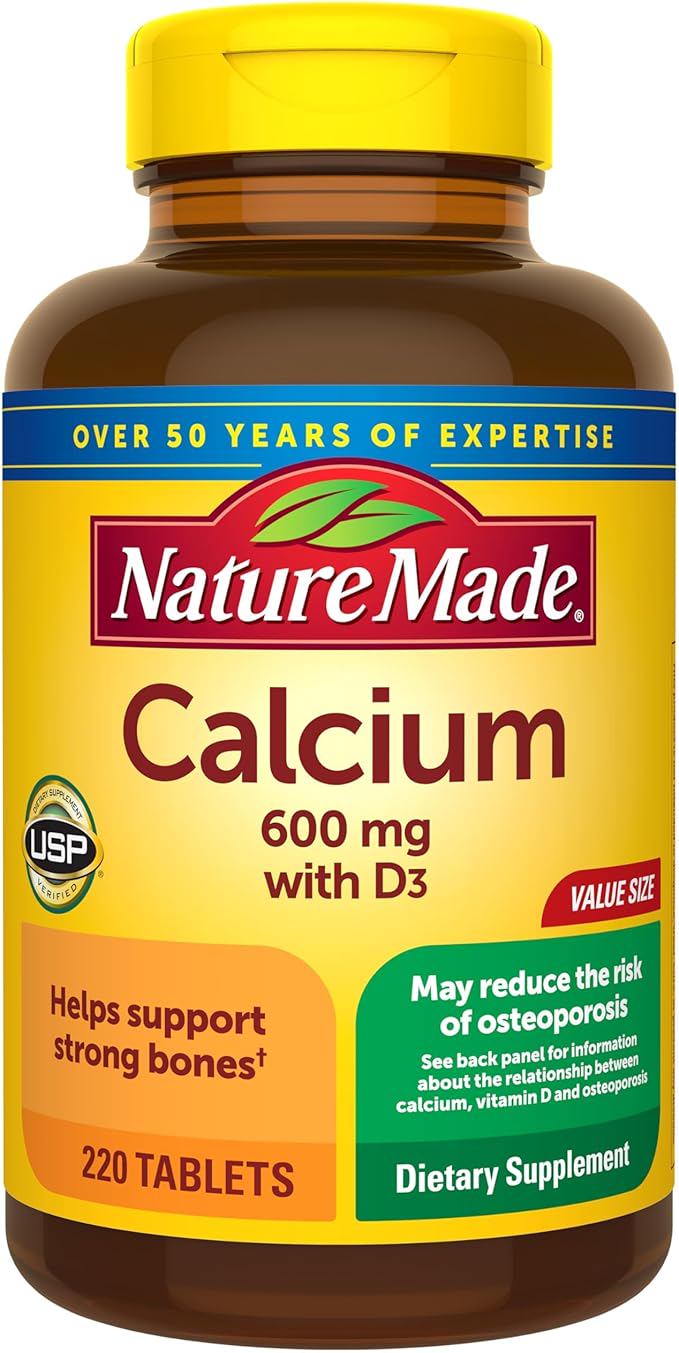
What you consume can interact with your treatment in significant, often surprising ways. Two of the most common interactions involve calcium and iodine.
Calcium supplements, and to a lesser extent high-calcium foods, can interfere with the absorption of levothyroxine, a hormone replacement medication sometimes used in certain phases of hyperthyroidism treatment or afterward. If you take both, spacing them apart—by at least four hours—is a simple but crucial step.
Iodine presents a more nuanced scenario. Your thyroid gland uses iodine to make its hormones. In hyperthyroidism, adding more iodine—through supplements, iodine-rich seaweed like kelp, or certain cough syrups—can be like adding fuel to a fire. It may provide more raw material for an already overactive gland, potentially worsening symptoms and making your medication less effective.
The Soy Question
Soy-based foods (tofu, soy milk, edamame) are often mentioned in thyroid discussions. The evidence suggests that consuming soy in moderate, food amounts is likely fine for most people, but excessive intake might interfere with hormone absorption. The prudent approach is to enjoy soy as part of a varied diet and discuss any high-quantity consumption with your doctor.
Mistake 3: Misinterpreting “Feeling Better” as “Cured”
This is perhaps the most emotionally understandable pitfall. Hyperthyroidism symptoms—anxiety, rapid heartbeat, tremors, sweating—can be profoundly distressing. When medication begins to work and these symptoms start to fade, it’s a tremendous relief. It’s easy to feel like you’re back to your old self.
The danger lies in conflating symptom relief with a cured condition. Hyperthyroidism treatment, especially with medication, is often a long-term process measured in months or years. Stopping or altering your medication without your doctor’s guidance because you “feel fine” can lead to a swift and severe relapse, sometimes with symptoms returning worse than before.
Your treatment plan has two parallel goals: making you feel better and bringing your lab values into a safe, normal range. The latter always lags behind the former. Regular blood tests are the only way to see the full picture and guide safe, gradual dosage adjustments.
Feeling well is the sign that your treatment is on the right track, not that the journey is over.
Building a Supportive Routine
Avoiding these common mistakes is easier when supported by strong habits. Keep a simple log of your medication times and any notable symptoms or side effects. This creates valuable data for your appointments. Prioritize those follow-up blood draws, even when you’re busy or feeling well. They are the compass for your treatment.
Finally, cultivate open communication with your healthcare team. Tell them about all supplements, over-the-counter medicines, and significant dietary changes. No question about your treatment plan is too small. By partnering closely and avoiding these common missteps, you pave the way for a smoother, more successful path to managing your hyperthyroidism and reclaiming your well-being.