Using a heat styling tool on curly hair is a calculated risk. You want smooth, defined curls without the frizz, but the wrong technique—even with a heat protectant—can leave your waves limp, stringy, or poofy. Many curl enthusiasts reach for a spray and hope for the best, but three common mistakes can sabotage your definition before the first pass.
Whether you use a diffuser, a curling wand, or a flat iron for touch-ups, avoiding these errors will help you keep the bounce and shape your curls deserve.
Mistake 1: Using Too Little Product—or the Wrong Formula
Heat protectant isn't a one-size-fits-all mist. Curly hair is naturally more porous and prone to dehydration, so a lightweight spray designed for straight hair may not form an even barrier. When you skimp on product or use a formula without enough humectants and film-formers, the cuticle lifts and moisture escapes—exactly what you don't want when chasing defined curls.
How to Select a Curl-Friendly Protectant
Look for ingredients like hydrolyzed proteins, glycerin, or silicone alternatives (such as amodimethicone) that coat the strand without weighing it down. Avoid high alcohol content (often listed as SD alcohol or denatured alcohol), which can dry out the hair shaft. A cream or lotion format often works better for thicker curls, while a fine mist suits looser waves.
Tip: Apply to damp, detangled hair section by section. Two to three pumps per section ensures even coverage without oversaturating.
Mistake 2: Applying Heat Protectant and Then Styling Wet Hair Immediately
It sounds efficient: spray your protectant on wet curls, then reach for the dryer. But most heat protectants need a moment to bind to the hair shaft and form a uniform layer. When you apply heat right away, the protectant can evaporate unevenly, leaving hot spots that damage the cuticle. The result? Mushy, undefined curls that lose their memory.
The Right Timing for Application
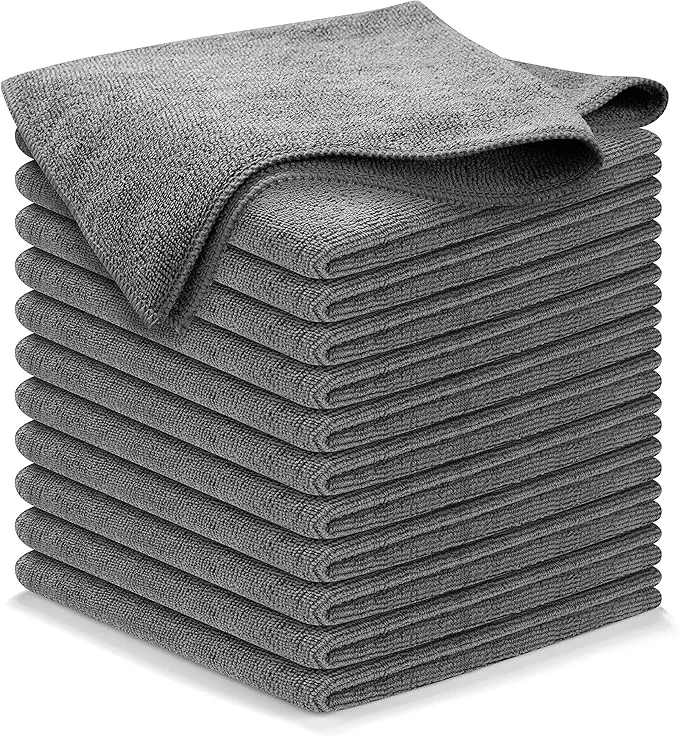
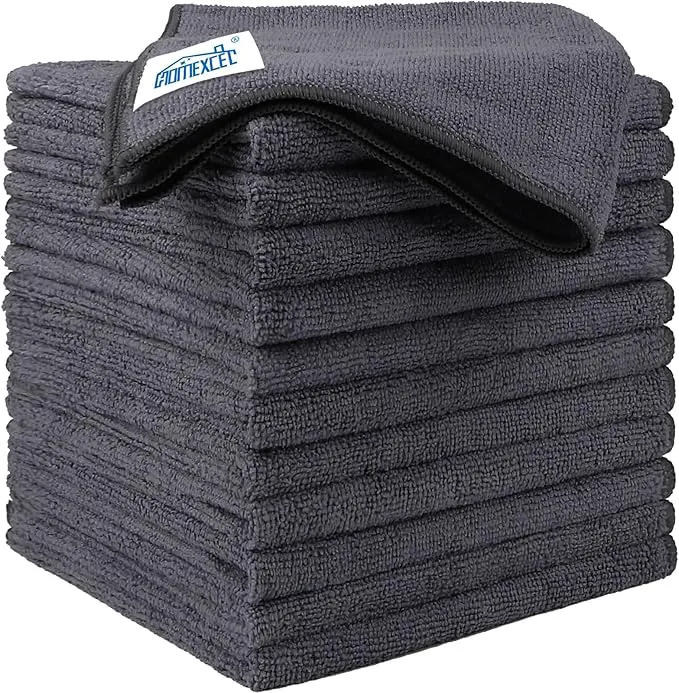
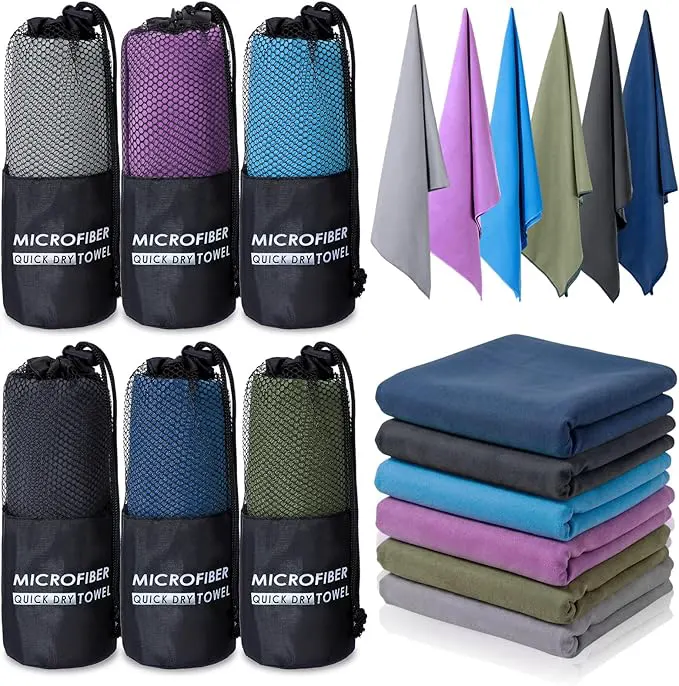
After washing and conditioning, gently squeeze out excess water with a microfiber towel. Apply your heat protectant, then let your hair sit for two to three minutes before turning on the blow-dryer or styler. During that pause, the product distributes more evenly into the cortex—the layer where curl shape lives. If you're using a diffuser, start with low heat and low speed to set the cuticle before ramping up.
Mistake 3: Styling at the Hottest Setting — Without Checking Your Tool's Temperature
Many hot tools default to 400°F or higher, which is overkill for most curls. Fine or color-treated curls can start to lose their shape above 350°F, while coarse or tightly coiled hair may hold at 375°F. Cranking the heat to max doesn't mean better hold; it often causes the hair's hydrogen bonds to break unpredictably, leading to frizz and misbehaved ends.
How to Find Your Curl's Heat Sweet Spot
Check your tool's dial or digital display. For most curl patterns, 320°F to 375°F is sufficient. If your iron or dryer doesn't have adjustable heat, consider testing on a small hidden strand first. A good rule: if the strand sizzles or crackles, it's too hot. The protectant's job is to buffer heat, but it can't work miracles above 400°F.
Quick recap for curl definition: Choose a curl-specific protectant, give it time to set before applying heat, and keep your tool temperature moderate. These adjustments help your natural curl pattern stay intact—not flattened or frizzed—after every styling session.
Remember: healthy curls start with the prep work, not the final blast of heat.