
Heart failure is a term that often frightens people, but in reality, it describes a chronic condition where the heart muscle isn't pumping blood as efficiently as it should. It doesn't mean the heart has stopped beating; it means it's struggling to keep up with the body's demands. Understanding what drives this condition is the first step toward managing risk. A cardiologist points to three primary drivers that account for the vast majority of cases. Knowing these can help you recognize warning signs early and have more informed conversations with your doctor.
1. Coronary artery disease and heart attack damage
The most common road to heart failure is through coronary artery disease (CAD). Over time, cholesterol and other substances can build up inside the coronary arteries, forming plaque. This narrows the arteries and restricts the flow of oxygen-rich blood to the heart muscle itself.
When a plaque ruptures, it can cause a complete blockage—a heart attack. But even small, repeated blockages that do not cause obvious symptoms can silently damage the heart. The problem is that heart muscle cells do not regenerate well. When they are starved of oxygen and die, they are replaced by scar tissue. This scar tissue is stiff and does not contract. The heart loses its pumping power, and over time, it must work harder to push blood through the body. Eventually, the chambers may enlarge or thicken to compensate, but this only makes the pump less efficient. For many patients, this slow decline in pumping capacity is the beginning of heart failure.
“Once a patient has had a significant heart attack, their risk of developing heart failure within five years increases substantially,” explains a cardiologist. “That is why emergency treatment during a heart attack is so critical—we are trying to save as much healthy muscle as possible.”
People who have had a heart attack or have known CAD (often indicated by angina, previous stents, or bypass surgery) should be especially diligent about blood pressure control, cholesterol management, and lifestyle habits to prevent further damage.
2. High blood pressure and the stiff heart
Untreated or poorly controlled high blood pressure (hypertension) is a relentless force. The heart has to pump against higher pressure day and night. Over years, this chronic overload forces the left ventricle—the heart's main pumping chamber—to work much harder. The muscle thickens, just as any skeletal muscle would if you lifted weights constantly. But a thickened heart muscle is not a healthy heart muscle.
This thickening is called left ventricular hypertrophy. While it might seem like the heart is getting stronger, the reality is that the thickened muscle becomes stiff and less flexible. It cannot relax properly between beats to fill with blood. This leads to a specific type of heart failure called heart failure with preserved ejection fraction (HFpEF). In HFpEF, the heart still squeezes out a normal percentage of blood, but because it cannot fill up enough, the overall output is low. Fluid can back up, causing shortness of breath, fatigue, and swelling in the legs and ankles.
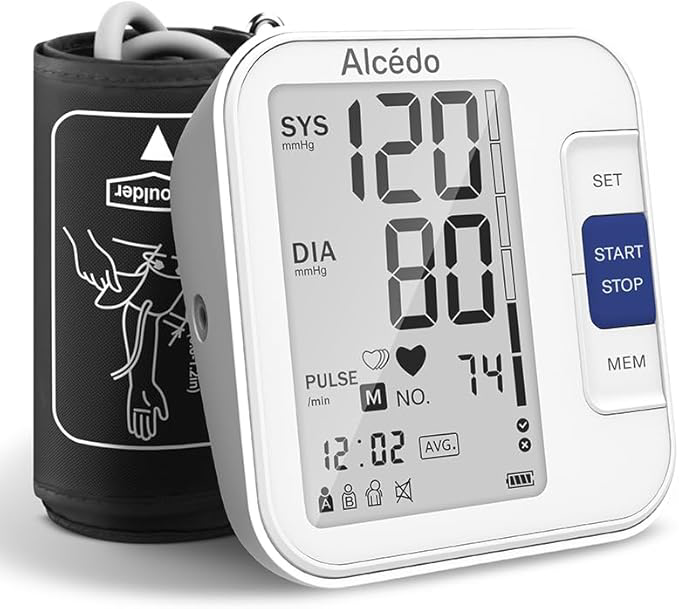
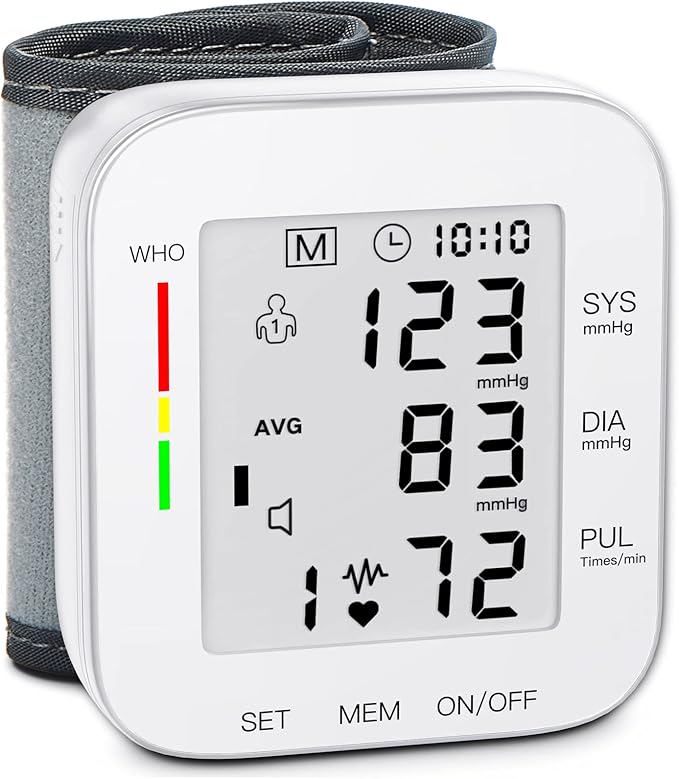
High blood pressure is a silent contributor because it often causes no noticeable symptoms until damage is done. The single most effective preventive measure is keeping blood pressure within a healthy range through diet, exercise, medication adherence, and regular monitoring. Even a modest reduction in systolic pressure can significantly lower the lifetime risk of heart failure.
3. Damaged heart valves and leaky pipes
The heart has four one-way valves that keep blood flowing in the correct direction. When these valves are damaged—either from aging, congenital defects, infection, or other conditions—the heart has to work harder to move blood. Two common valve problems lead directly to heart failure: aortic stenosis and mitral regurgitation.
Aortic stenosis is a narrowing of the valve that opens to let blood leave the heart and go to the rest of the body. As the valve stiffens, the heart must generate much higher pressure to push blood through that tiny opening. Over time, this causes the heart muscle to thicken and, eventually, to weaken and fail. Symptoms include chest pain, shortness of breath, and fainting, especially during activity.
Mitral regurgitation is a leaky valve. When the heart squeezes, some blood flows backward into the left atrium instead of forward into the body. The heart then has to pump that extra volume again with the next beat. This volume overload can gradually enlarge the heart's chambers, weakening the muscle and leading to heart failure with reduced ejection fraction (HFrEF).
Valve disease is often detectable with a simple stethoscope—a heart murmur is usually the first clue. If caught early, many valve issues can be repaired or replaced surgically or through catheter-based procedures, often preventing the progression to heart failure entirely. For patients with advanced valve disease who already have heart failure symptoms, valve intervention can dramatically improve quality of life and survival.
Understanding these three common causes—coronary artery disease, high blood pressure, and valve disease—does not replace a medical diagnosis, but it does empower a person to take action. For anyone with a family history of heart conditions, or who has risk factors such as diabetes, smoking, or high cholesterol, regular check-ups with your primary care provider are essential. Simple tests like a blood pressure check, a cholesterol panel, and a stethoscope exam can catch problems before they lead to heart failure.
If you are already experiencing unusual fatigue, swelling in your feet, or breathlessness when walking up a flight of stairs, those are signals to talk to a doctor sooner rather than later. Heart failure is serious, but it is also often preventable and treatable, especially when the underlying cause is addressed early and managed consistently.