The end of a long, demanding workday often leaves you feeling drained, with your mind still racing and your body tense. This is your stress response at work, and when it doesn't shut off, your cortisol levels stay elevated. Instead of reaching for another cup of coffee or a glass of wine to unwind, consider a different approach.
What you drink in the evening can actively help lower cortisol and signal your nervous system to shift into rest-and-digest mode. These three comforting, science-backed drinks are designed to do exactly that—help you transition from a high-pressure day into a calm, restorative evening.
Why Your Evening Drink Matters for Cortisol
Cortisol isn't inherently bad; it's your body's primary stress hormone, helping you manage challenges. The problem arises when it stays elevated for too long, often due to chronic work stress, poor sleep, or constant stimulation. A 2021 review in Nutrients highlighted how diet directly influences the hypothalamic-pituitary-adrenal (HPA) axis, which controls cortisol release. Choosing the right ingredients can help dampen that response, promoting relaxation without sedation.
1. Tart Cherry Juice or Cherry-Based Tea
Tart cherry juice has moved beyond the sports recovery crowd. It's one of the few natural food sources of melatonin, the hormone that regulates your sleep-wake cycle. But its benefits for stress reduction are equally compelling. A study from European Journal of Nutrition found that participants who drank tart cherry juice concentrate experienced lower cortisol levels and improvements in sleep quality compared to a placebo group.
The anthocyanins (antioxidants that give cherries their deep red color) are believed to reduce oxidative stress and inflammation, which are often elevated alongside high cortisol. For a comforting evening drink, mix a small amount (about 2–4 ounces) of unsweetened tart cherry juice with hot water, a cinnamon stick, and a squeeze of lemon. This creates a warm, tart tea that doubles as a natural cortisol-lowering agent. Avoid varieties with added sugar, which can spike blood sugar and counteract the calming effects.
2. Ashwagandha Latte (Golden Milk)
Ashwagandha is an adaptogenic herb with centuries of use in Ayurvedic medicine. Modern research backs it up: a 2019 randomized controlled trial published in Cureus showed that 300 mg of ashwagandha root extract taken twice daily significantly reduced serum cortisol levels and perceived stress scores after 60 days. When combined with warm milk (dairy or plant-based) and anti-inflammatory spices like turmeric and ginger, it becomes a grounding beverage.
To make an ashwagandha latte, gently warm one cup of milk of your choice. Whisk in one teaspoon of ashwagandha powder (or one serving of a standardized tincture), half a teaspoon of turmeric, a pinch of black pepper (to enhance curcumin absorption), and a dash of cinnamon. The ritual of preparing it—heating, stirring, and sipping slowly—itself supports a parasympathetic state. Just be sure to use a reputable brand of ashwagandha, as quality can vary.
3. Magnesium-Rich Warm Milk or Almond Milk
Magnesium is often called the "relaxation mineral" because it helps regulate the nervous system and supports GABA production, a neurotransmitter that calms brain activity. Many adults are deficient in magnesium, which can make them more susceptible to stress. A comprehensive review in Nutrients (2017) concluded that magnesium supplementation is associated with lower cortisol levels and improved subjective anxiety.
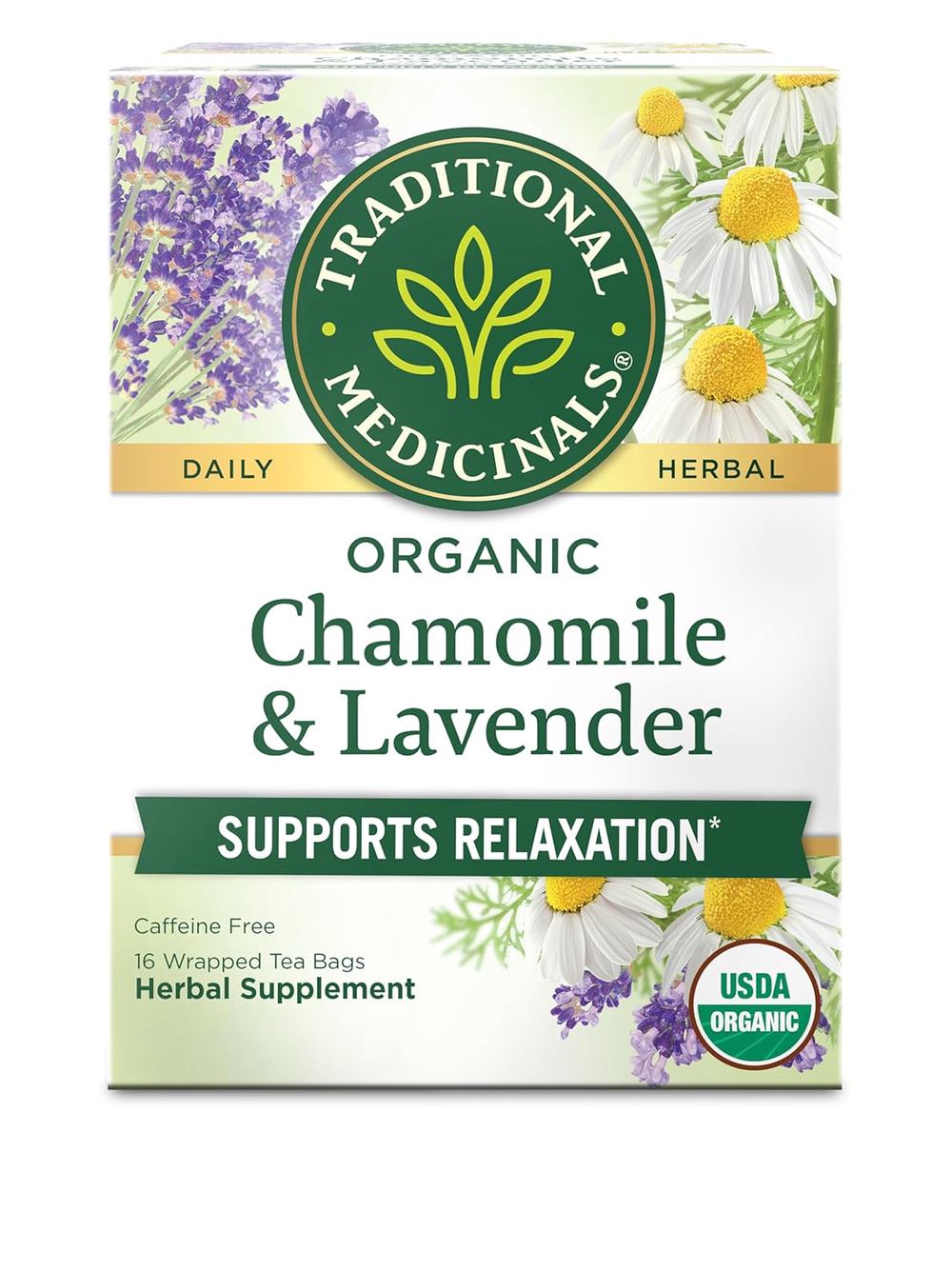
You can get magnesium from food sources like almonds, spinach, and bananas, but a warm beverage in the evening is particularly effective. Warm cow's milk naturally contains some magnesium, along with tryptophan and calcium, which further aid sleep. For a plant-based option, heat unsweetened almond milk (almonds are naturally magnesium-rich). For an extra boost, you can add a small amount of magnesium glycinate powder—this form is well-absorbed and gentle on the stomach. Stir it into warm milk or a caffeine-free herbal tea like chamomile or lavender. The key is to avoid using magnesium oxide, which is less absorbable and may cause digestive upset.
Quick caveat: While these drinks are generally safe, individual responses vary. If you are pregnant, nursing, or taking medication (especially for blood pressure or thyroid conditions), consult your healthcare provider before adding adaptogens like ashwagandha or concentrated supplements.
How to Build a Cortisol-Lowering Evening Ritual
The drink itself is only part of the equation. Your body's stress response is deeply tied to context. Drinking a cortisol-lowering beverage while scrolling through emails or watching a thriller movie will blunt the benefit. Here are three principles to pair with your evening drink:
- Create a buffer zone: Aim to drink your evening beverage at least 60–90 minutes before bed. This gives your digestive system time to process it without disrupting sleep onset.
- Pair it with a low-stimulation activity: Read a physical book, do gentle neck stretches, listen to calm instrumental music, or practice box breathing (inhale for 4 counts, hold for 4, exhale for 4, hold for 4).
- Lower the lights: Blue light from screens suppresses melatonin production. Use dim, warm-colored lamps or candles while you enjoy your drink to reinforce the wind-down signal to your brain.
Experiment with which beverage feels best for your body. Some people respond beautifully to tart cherry; others find ashwagandha more grounding. The goal isn't to find a magical bullet but to replace a reactive, stress-cycling habit with a deliberate, nourishing one. Over time, this simple shift can make a meaningful difference in your baseline stress levels and sleep quality.