
We all have our go-to comfort foods — the ones we reach for after a hard day, a fight with a partner, or a wave of loneliness. But what if some of those same foods are quietly fueling the very relationship patterns that leave us feeling worse? It's a connection that often goes unnoticed, but emerging research and clinical observations suggest that what we eat can influence our emotional reactivity, stress levels, and even how we navigate conflict with the people we love.
When emotions run high, it's not just our thoughts that get scrambled; our bodies react, too. Blood sugar spikes and crashes, inflammation, and gut imbalances can all amplify anxiety, irritability, and emotional sensitivity. This, in turn, can make us more prone to toxic communication patterns — like snapping, withdrawing, or people-pleasing to keep the peace. The foods we turn to for comfort might actually be making us more reactive, less resilient, and more stuck in cycles of emotional suppression or outburst.
Below, we look at three common comfort foods that could be acting as hidden triggers in your relationships, and what you can reach for instead to support both your mood and your connections.
1. Sugary Treats and Refined Carbs
That slice of cake, bag of cookies, or bowl of pasta might feel like a warm hug in the moment, but the aftermath is often a blood sugar roller coaster. When you eat a lot of sugar or refined carbohydrates quickly, your blood sugar spikes, then crashes. That crash doesn't just leave you tired and hungry — it can also trigger irritability, anxiety, and even feelings of hopelessness.
These mood shifts can make you more reactive in conversations. You might snap at your partner over something small, or feel too emotionally drained to engage in healthy conflict resolution. Over time, relying on sugar to manage stress can keep you in a cycle of emotional highs and lows that undermines your ability to stay grounded in relationships.
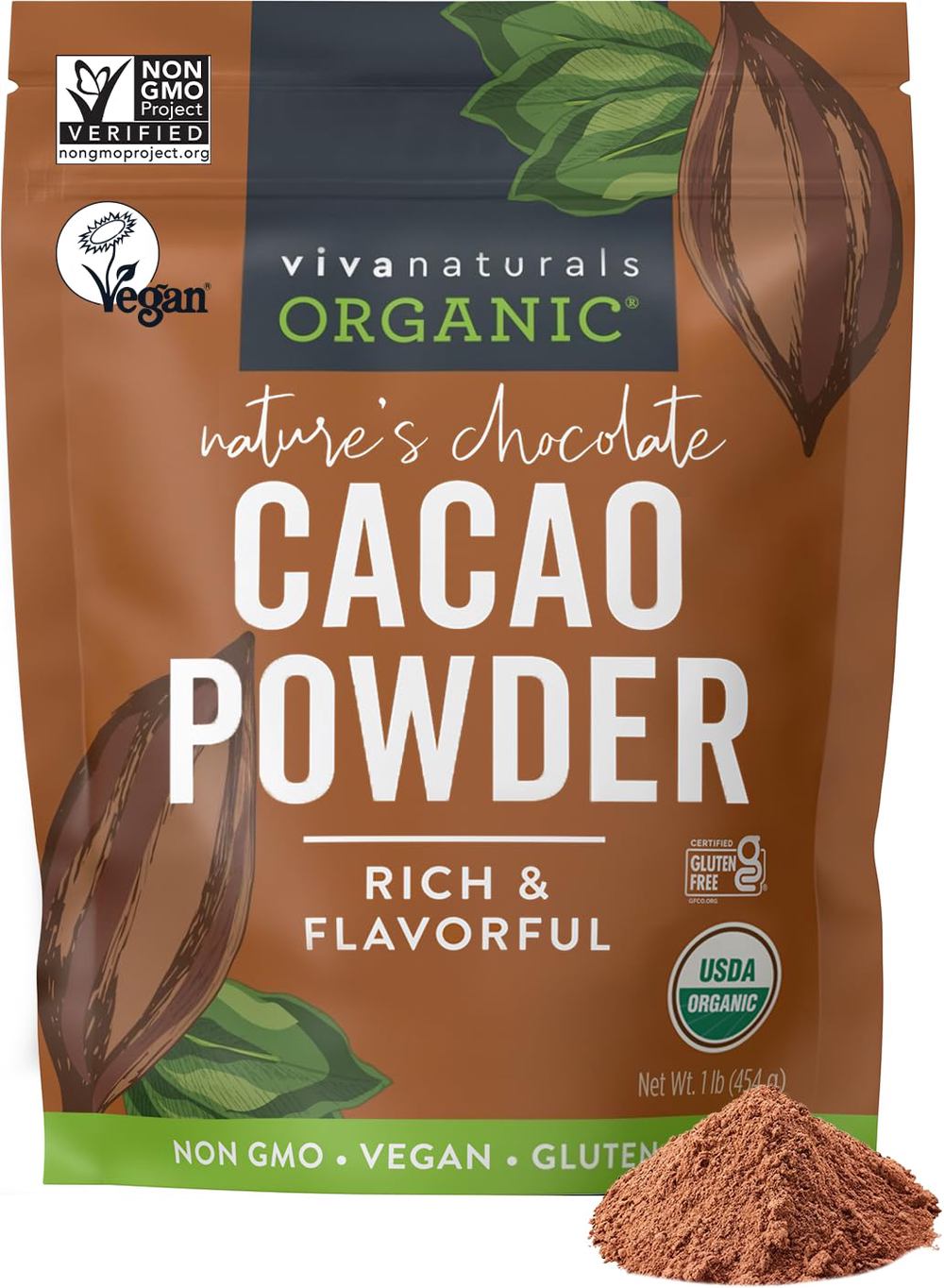
What to try instead: If you crave something sweet, pair it with protein or healthy fat to slow the sugar absorption — think apple slices with almond butter or a small square of dark chocolate with a handful of walnuts. This helps stabilize blood sugar and keeps your mood more even.
2. Salty, Processed Snacks
Chips, crackers, and fast food are classic comfort foods for a reason: they're easy, satisfying, and often tied to memories of relaxation or reward. But processed snacks are typically high in sodium, unhealthy fats, and additives that can promote low-grade inflammation throughout the body. Inflammation doesn't just affect your joints — it also affects your brain.
Research has linked chronic inflammation to higher rates of depression and anxiety. When your body is in an inflamed state, your stress response becomes more reactive. Cortisol levels stay elevated longer, and you may find yourself feeling more on edge, defensive, or tearful in interactions with loved ones. This can make it harder to communicate calmly and empathically.
What to try instead: If you're in the mood for something crunchy and salty, try air-popped popcorn with a little sea salt, roasted chickpeas, or cucumber slices with a dash of salt and lime. These options give you the sensory satisfaction without the inflammatory load.
3. Alcohol (The Liquid Comfort Food)
While not always classified as a food, alcohol is one of the most commonly used emotional numbing agents. A glass of wine to unwind after work or a few beers to ease social anxiety is culturally normalized, but alcohol is a depressant that directly affects your brain's ability to regulate emotion. It lowers inhibitions, which can lead to saying things you regret, and it disrupts sleep, which compounds emotional vulnerability the next day.
For many people, alcohol becomes a way to avoid uncomfortable feelings rather than process them. Over time, this habit can erode trust and communication in relationships. It also worsens anxiety and depression, making you more likely to misinterpret your partner's words or react defensively.
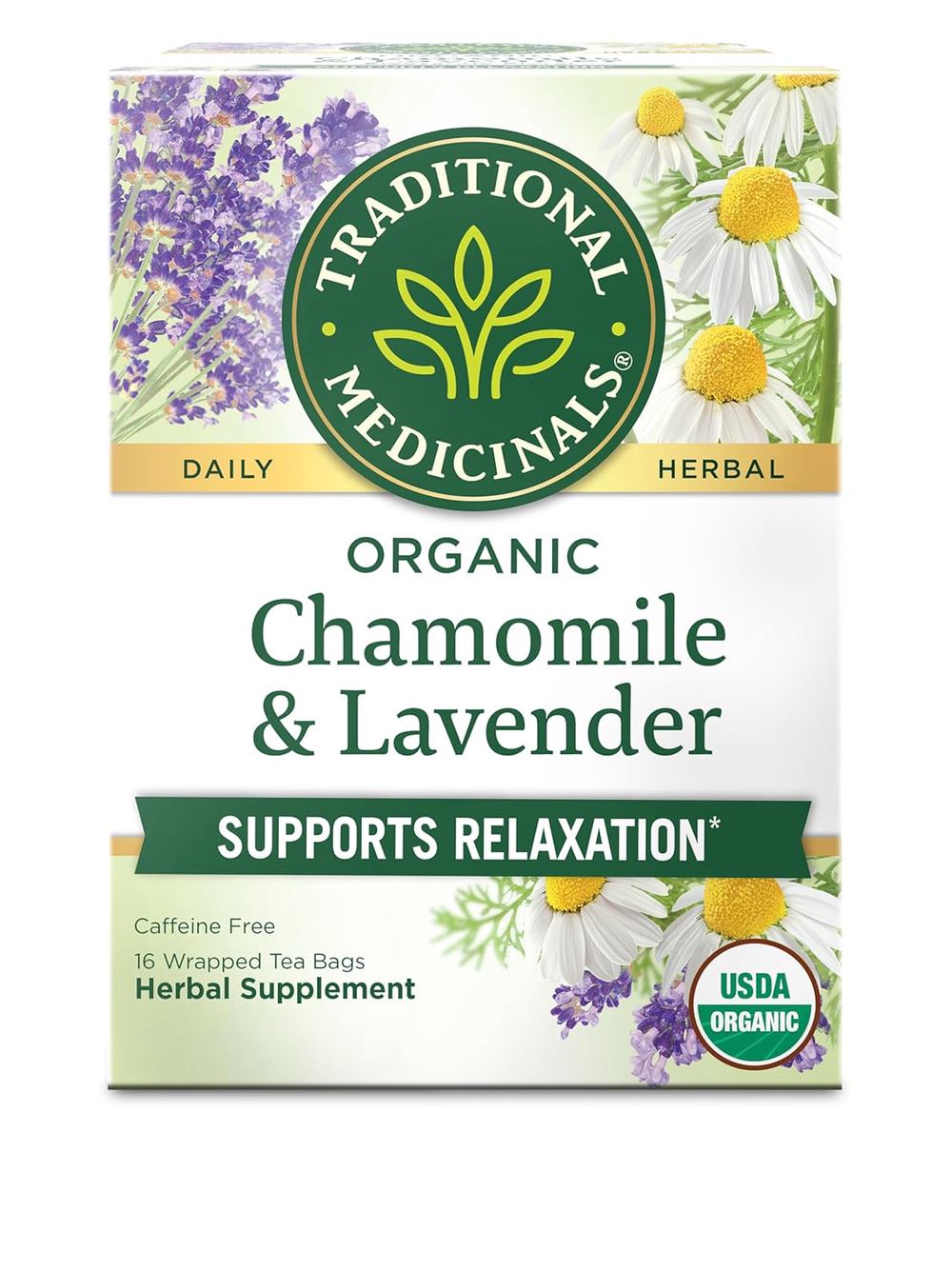
What to try instead: If you're looking to unwind, consider a warm herbal tea like chamomile or peppermint, or a non-alcoholic sparkling drink with a splash of tart cherry juice. These can provide a soothing ritual without the emotional hangover.
Breaking the Cycle: Supporting Emotional Regulation Through Food
Recognizing these patterns is the first step. The next is replacing the habit — not just the food. When you feel the urge to reach for a comfort food, pause and ask yourself: what am I really needing right now? Is it rest, connection, validation, or simply a break?
Sometimes the most nourishing thing you can do is sit with your feelings instead of eating over them.
Building healthier food habits doesn't mean perfection. It means becoming more aware of how specific foods affect your mood and your relationships. If you notice that you're especially irritable after a high-sugar or high-sodium meal, that's useful information — not a reason to feel guilty. You can use it to make different choices the next time you feel emotionally raw.
For those in toxic or high-conflict relationships, food patterns are often just one piece of a larger puzzle. If you find yourself regularly relying on certain foods to cope with relationship stress, it may also be worth exploring whether the relationship itself is meeting your emotional needs. A therapist or counselor can help you untangle the connections between what you eat, how you feel, and how you relate to others.