That first cup of coffee might feel like a lifeline, but for some people, it could be setting off a jittery, anxious feeling before the day even begins. Many of us reach for quick, convenient breakfast options without thinking twice about how they interact with our body's stress response. Dietitians point out that certain common morning foods can spike blood sugar, disrupt hormones, and ultimately prime the brain for anxiety.
If you've noticed a pattern of feeling wired, shaky, or uneasy after breakfast, the culprit might be on your plate. Here are three types of breakfast foods that dietitians say may trigger or worsen morning anxiety.
1. Sugary Cereals and Pastries
A bowl of brightly colored cereal or a flaky pastry seems harmless enough, but these high-sugar breakfasts are a fast track to a blood sugar roller coaster. When you eat a large dose of refined sugar without protein or fiber, your blood glucose spikes rapidly. Your body responds by releasing a surge of insulin, which can cause your blood sugar to crash just as quickly.
“That crash can mimic or trigger the physical symptoms of anxiety — shakiness, dizziness, irritability, and a racing heart,” explains a registered dietitian. For someone already prone to anxiety, the sudden drop in energy can feel like a full-blown panic attack. The cycle of spike and crash also activates the adrenal glands, releasing stress hormones like cortisol and adrenaline, which can leave you feeling on edge for hours.
2. High-Caffeine Breakfasts
Coffee is a breakfast staple, but when it's the main component of your morning meal — especially on an empty stomach — it can be a direct trigger for anxiety. Caffeine blocks adenosine, a neurotransmitter that promotes calm and sleep, while simultaneously stimulating the release of adrenaline. This natural fight-or-flight response can produce feelings of nervousness, restlessness, and even heart palpitations.
Dietitians note that energy drinks and some pre-workout powders pack even more caffeine than coffee and often contain other stimulants like guarana or taurine. “For people with anxiety disorders or even just a low tolerance, a high-caffeine breakfast can send the nervous system into overdrive,” says a nutrition specialist. If you love your morning coffee, try pairing it with a balanced meal that includes protein and healthy fats to slow absorption and reduce the jitters.
3. Ultra-Processed Breakfast Meats
Bacon and sausage are common breakfast sides, but these processed meats are high in sodium, nitrates, and inflammatory fats. While they don't cause immediate blood sugar spikes, their impact on gut health and inflammation can indirectly influence mood. The gut-brain axis is a two-way communication system; an inflamed or unbalanced gut microbiome can send stress signals to the brain.
“The inflammatory load from processed meats can contribute to systemic inflammation, which has been linked to higher rates of anxiety and depression,” a dietitian notes.
Additionally, the high sodium content can affect blood pressure and hydration, both of which play a role in how your body handles stress. If you eat these meats regularly, consider swapping them for less processed protein sources like eggs, smoked salmon, or plant-based alternatives.
Rethinking Breakfast for a Calmer Morning
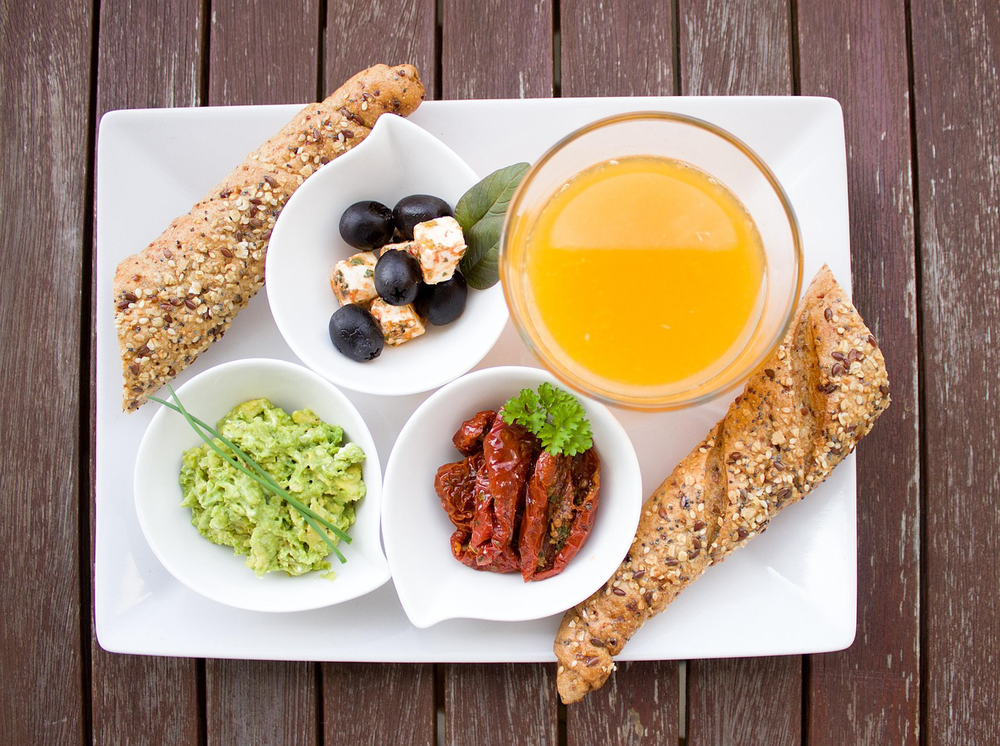
The goal isn't to eliminate all pleasure from breakfast, but to become aware of how specific foods affect your mental state. A breakfast built around whole foods — like oats with nuts and berries, eggs with vegetables, or a smoothie with protein powder and spinach — provides steady energy and supports stable blood sugar. That stability is the foundation for a calm, clear-headed morning.
If you struggle with morning anxiety, keeping a food-mood journal can help you identify patterns. You may find that cutting back on sugar, caffeine, or processed meats makes a noticeable difference within just a few days.