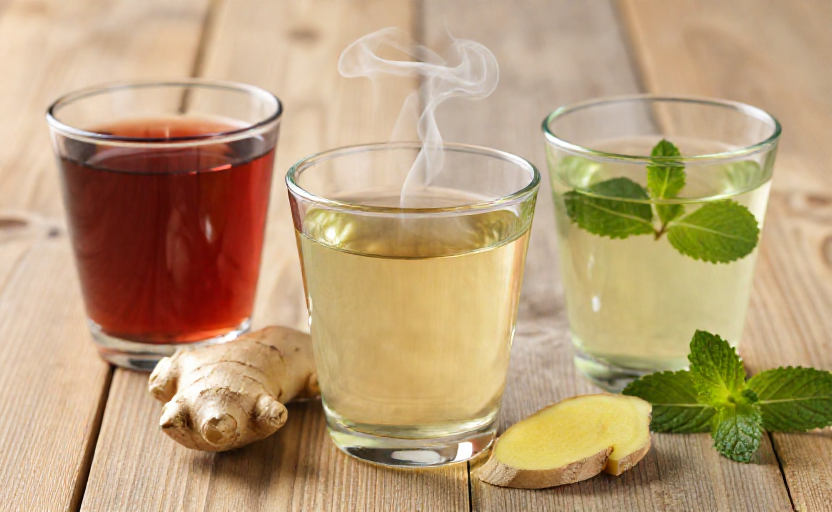
When we think about reproductive health, our focus often lands on specific vitamins or medical check-ups. But the foundation of a healthy reproductive system is built daily, in part by what we choose to drink. Chronic, low-grade inflammation can quietly disrupt hormonal balance and cellular function, impacting everything from menstrual comfort to fertility. While no single beverage is a magic solution, incorporating certain anti-inflammatory drinks into a balanced diet can be a simple, supportive act of care.
We spoke with dietitians to highlight three accessible, research-backed drinks that can help create a more supportive internal environment for reproductive wellness.
Why focus on anti-inflammatory drinks for reproductive health?
Inflammation is a natural immune response, but when it becomes chronic, it can create a cascade of issues. For reproductive health, this can mean exacerbating conditions like polycystic ovary syndrome (PCOS) or endometriosis, contributing to irregular cycles, and creating an environment of oxidative stress that can affect egg and sperm health. Diet plays a profound role in modulating this inflammation.
The goal isn't to eliminate inflammation entirely, but to help your body manage it effectively through consistent, nourishing choices.
Beverages are a practical place to start. They're woven into our daily routines, and swapping out a sugary or processed drink for an anti-inflammatory alternative is a manageable step with cumulative benefits.
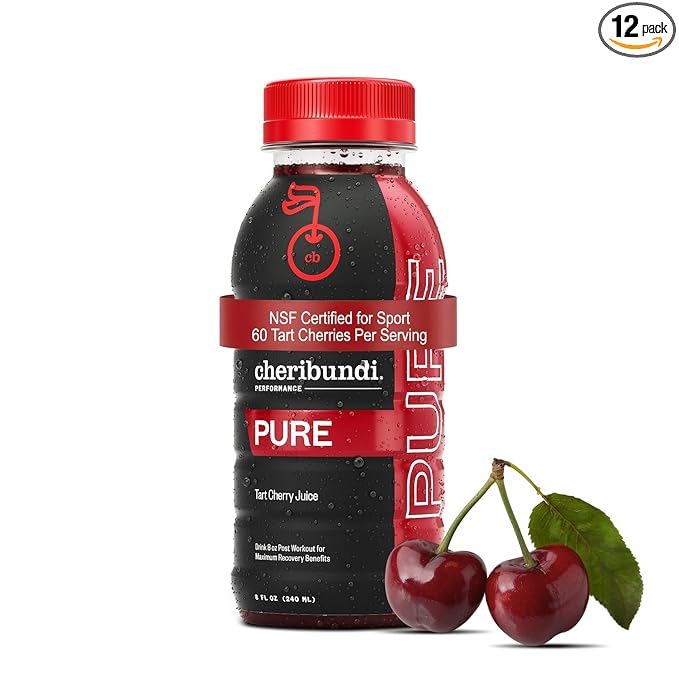
1. Tart Cherry Juice
This deep red juice isn't just for post-workout recovery. Tart cherries are packed with anthocyanins and other polyphenols, compounds celebrated for their potent antioxidant and anti-inflammatory properties.
How it supports reproductive health: Research suggests the antioxidants in tart cherry juice can help reduce markers of oxidative stress. For reproductive wellness, this is key. Oxidative stress can damage cells, including reproductive cells, and is linked to inflammation. Some small studies and anecdotal reports also indicate that tart cherry's anti-inflammatory effects may help ease menstrual discomfort.
Dietitian tip: "Look for 100% tart cherry juice without added sugars," advises one registered dietitian. "The tart flavor is a clue—it's meant to be diluted. Try mixing an ounce or two with sparkling water for a refreshing spritzer. Consuming it consistently, rather than in large quantities occasionally, is more beneficial for managing inflammation."
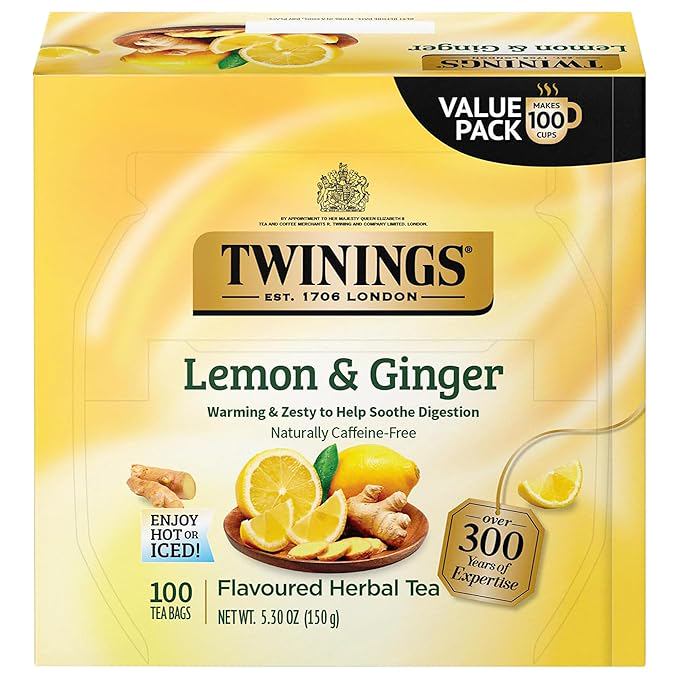
2. Ginger Tea
A time-honored remedy for nausea, ginger's benefits run much deeper. The active components, gingerols, have been extensively studied for their powerful anti-inflammatory and analgesic (pain-relieving) effects.
How it supports reproductive health: This makes ginger tea a standout for menstrual health. Several clinical studies have found ginger to be as effective as some over-the-counter anti-inflammatory drugs in reducing the severity of menstrual cramps (dysmenorrhea). By inhibiting inflammatory pathways, ginger can help relax the uterine muscles and ease pain.
Dietitian tip: "For the best effect, brew fresh ginger tea," suggests a dietitian specializing in women's health. "Slice or grate a one-inch piece of fresh ginger root, steep it in hot water for 10 minutes, and add a squeeze of lemon. Sipping it warm in the days leading up to and during your period can be particularly soothing."
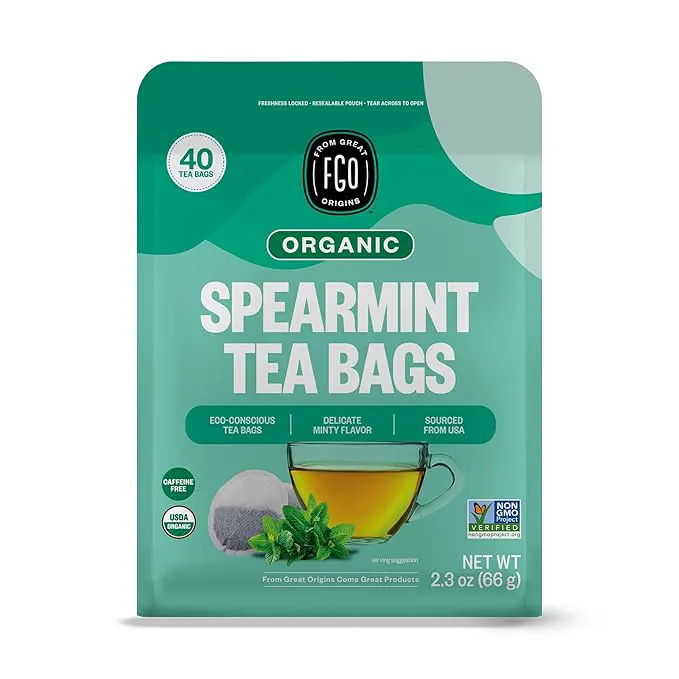
3. Spearmint Tea
While all herbal teas offer hydration, spearmint tea has a unique profile that interests those managing hormonal imbalances. It's noted for its mild anti-androgenic properties, meaning it may help moderate levels of male hormones like testosterone.
How it supports reproductive health: This is especially relevant for conditions like PCOS, where elevated androgen levels can contribute to symptoms such as irregular cycles, acne, and hirsutism. Preliminary research, including small human studies, has found that drinking spearmint tea twice daily can significantly reduce free testosterone levels. By helping to balance hormones, it indirectly supports a less inflammatory state.
Dietitian tip: "Patience and consistency are important with spearmint tea," notes a dietitian. "The studies showing benefit used two cups daily over a period of a month. It's a gentle, supportive therapy, not an instant fix. Ensure you're using pure spearmint leaves, as peppermint does not have the same researched effect."
How to integrate these drinks thoughtfully
Adding these beverages is about enhancement, not overhaul. Here’s how to approach it:
- Start with one: Choose the drink that most appeals to you or addresses your primary concern. Introduce it slowly, perhaps replacing one daily soda or sugary coffee drink.
- Mind the sugar: Always opt for unsweetened versions of juices. The benefits of anti-inflammatory compounds are quickly undone by a high sugar load, which is itself inflammatory.
- See them as part of the whole: These drinks are most powerful within an overall anti-inflammatory diet rich in vegetables, fruits, whole grains, healthy fats, and lean proteins. They are allies, not lone warriors.
- Listen to your body: Note how you feel. Some may find ginger too warming, or spearmint not to their taste. Personal preference and tolerance matter.
Ultimately, nurturing reproductive health is a holistic endeavor. Choosing an anti-inflammatory drink is a simple, daily gesture that supports your body's innate wisdom and balance.