
You pour your morning coffee, grab a quick bite, and head out the door, likely not thinking about your cholesterol levels. Yet the small, repeated choices you make in those first waking hours can quietly set a metabolic tone for the day—and over time, for your long-term heart health. While cholesterol is influenced by many factors, from genetics to overall diet, certain morning patterns can act as consistent nudges in the wrong direction. Recognizing the subtle warning signs in your routine is the first step toward a more supportive start.
It’s not about a single "bad" breakfast or a missed workout. The concern lies in habitual, daily practices that may promote inflammation, spike blood sugar, or increase the production of LDL (often called 'bad') cholesterol. These two particular signs in your morning routine are worth a closer, honest look.
1. You consistently reach for a sweet or highly processed breakfast
That frosted pastry, sugary cereal, or white toast with jam might feel like a fast, comforting fuel. However, starting your day with a surge of refined carbohydrates and added sugars is a primary habit that can quietly undermine your cholesterol profile.
Here’s how it works: These simple carbs break down rapidly into glucose, causing a sharp spike in blood sugar and a corresponding insulin surge. In response, your liver is prompted to produce more cholesterol. Furthermore, a diet high in refined carbs can lower your protective HDL cholesterol and raise triglycerides—another type of fat in the blood that factors into heart health.
A breakfast rich in refined sugars and flours tells your liver to start manufacturing fats, including cholesterol, rather than encouraging it to clear them.
This doesn’t mean the occasional treat is a problem. The warning sign is consistency. If your go-to breakfast lacks substantial fiber, healthy fats, or protein, you’re likely on this track. Notice if you feel a mid-morning energy crash or renewed hunger soon after eating; these are bodily cues that your meal wasn’t metabolically sustaining.
What to consider instead
Shift the balance toward whole foods that digest slowly. Think about incorporating:
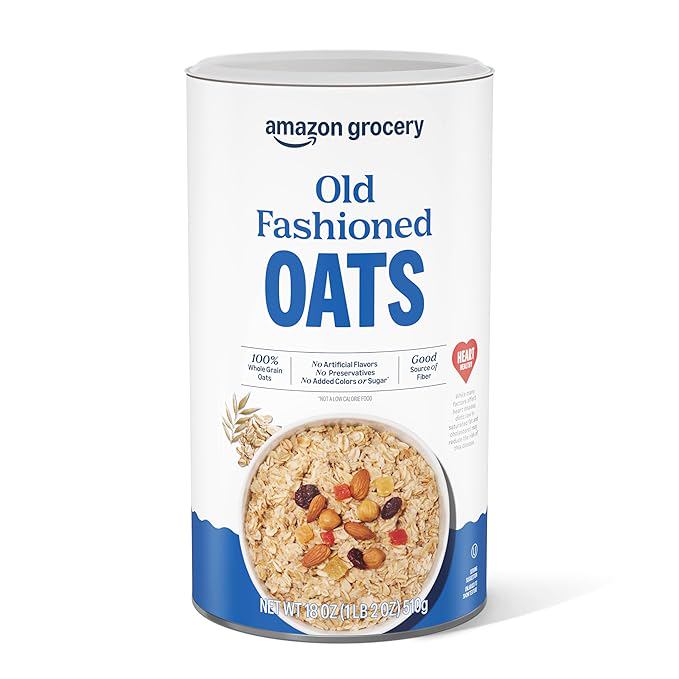
- Fiber-rich choices: Oatmeal, chia seeds, berries, or whole-grain toast. Soluble fiber, in particular, can bind to cholesterol in the digestive system and help remove it.
- A source of healthy fat: A handful of nuts, a spoonful of natural nut butter, or some avocado. These fats provide satiety without the inflammatory effects of trans fats or excess saturated fats.
- Quality protein: Greek yogurt, eggs, or legumes like lentils in a savory breakfast. Protein helps stabilize blood sugar from the start.
2. Your morning is entirely sedentary until lunch
The second warning sign isn’t about what you eat, but what you don’t do. If your routine involves moving from your bed to your car to your desk chair without any intentional movement, you’re missing a powerful lever for managing cholesterol.
Physical activity, even of moderate intensity, boosts your HDL cholesterol—the kind that helps transport LDL away from your arteries. It also improves insulin sensitivity, helping your body manage blood sugar more effectively and reducing the signal for your liver to produce excess cholesterol. Morning movement, in particular, can set a positive metabolic rhythm for the entire day.
A completely sedentary morning often pairs with other habits, like skipping a meal and then overeating later, or relying on caffeine instead of genuine energy from circulation and nourishment. It’s a pattern of passivity that can contribute to weight gain and increased visceral fat, both closely tied to higher LDL and triglyceride levels.
Making movement a natural part of your morning
This doesn’t require a grueling hour at the gym before sunrise. Consistency trumps intensity. The goal is to break the prolonged sedentary spell.
- Aim for a 10–15 minute walk after breakfast. This can aid digestion and directly help lower triglycerides.
- Consider light resistance exercises like bodyweight squats, push-ups against a counter, or a short yoga flow.
- If you work from home, a simple rule: do not sit down at your desk until you’ve moved your body in some way for even five minutes.
Movement is a signal to your body that you’re active and need a lipid profile suited for energy use, not storage.
Bringing awareness to your routine
Cholesterol management is a long game, played through daily habits. These two warning signs—a sugar-heavy breakfast and a motionless morning—are valuable checkpoints. You don’t need to overhaul everything at once. Start by observing for a few days. Is one of these patterns familiar?
Making one change, like adding a vegetable to your breakfast or taking a short walk, can create a positive ripple effect. You might find you make better food choices at lunch, have more steady energy, and feel less reliant on stimulants. These are signs that your morning habits are beginning to support, rather than subtly challenge, your heart health.
Always discuss significant dietary or lifestyle changes, especially if you have existing health conditions or are on medication, with your doctor or a registered dietitian. They can help you interpret your cholesterol numbers in context and create a plan that’s right for your individual health.