
Living with heart failure means staying attuned to your body’s signals. While day-to-day symptoms like fatigue or mild swelling may feel manageable, certain changes suggest your condition is progressing. Recognizing these two warning signs early can make a real difference in your treatment and quality of life.
Heart failure is a chronic condition where the heart struggles to pump blood efficiently. It doesn’t mean the heart has stopped working, but it often gets worse over time if not carefully managed. Catching a downturn early is key, and there are two specific red flags that clinicians say patients should watch for closely: sudden weight gain and worsening shortness of breath.
Sudden Weight Gain: Why the Scale Matters More Than You Think
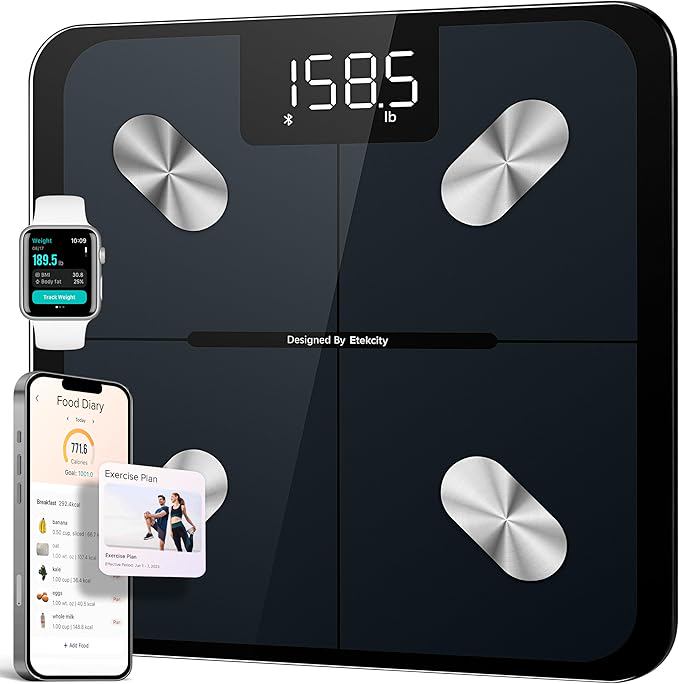
One of the earliest and most reliable indicators of worsening heart failure is rapid weight gain from fluid retention. This isn’t about gaining a pound or two from a big meal. We’re talking about gaining two to three pounds in a day, or five or more pounds in a week. When the heart’s pumping action weakens, blood backs up, and fluid leaks into surrounding tissues. That fluid has weight.
Many people do not connect their weight with their heart health, which is why this sign is easy to miss. The fluid tends to accumulate in the legs, ankles, and abdomen, but it can also settle in the lungs, causing serious breathing trouble. Weighing yourself daily at the same time—first thing in the morning, after using the bathroom, before eating or drinking—gives you a data point that can spot trouble days before you feel it.
If you see a jump of three or more pounds in a day, do not wait for your next checkup. Contact your care team. They may adjust your diuretics or ask you to come in for an evaluation. Ignoring this sign can lead to a full-blown episode that requires hospitalization.
Daily weighing is not about vanity; it is a vital sign for heart failure management.
Worsening Shortness of Breath: When Your Lungs Are Telling You Something
Shortness of breath, medically called dyspnea, is common in heart failure. But a change in its pattern or intensity is a major warning sign. Pay attention if you notice you are getting winded doing things that used to be easy, like walking to the mailbox, climbing a short flight of stairs, or even talking while sitting still.
There is a specific version of this symptom that is especially concerning: orthopnea. That is the medical term for shortness of breath that comes on when you lie flat. People with worsening heart failure often find they need to prop themselves up with two or three pillows to sleep comfortably. They might wake up suddenly in the middle of the night gasping for air or coughing. This is known as paroxysmal nocturnal dyspnea, and it is a classic sign that fluid is shifting into the lungs.
If you find yourself sleeping in a recliner because the bed is too uncomfortable, or if you are waking up breathless, do not brush it off as just getting older or being out of shape. Call your doctor that day. This is a sign that your heart’s pumping ability has dropped and your body is struggling to manage fluid balance.
Why These Two Signs Are Different from Normal Symptoms
This is an important distinction: heart failure always has some symptoms, but worsening means a change from your personal baseline. If your ankles are always a little swollen, that is one thing. But when your shoes stop fitting by midday and your rings feel tight, that is a change. If you always get a little winded carrying groceries, that is one thing. But if you are breathless after brushing your teeth, that is a change.
Other symptoms that often accompany these two main warning signs include a persistent cough that produces white or pink-tinged mucus, swelling in the lower body, confusion or difficulty concentrating, and a rapid or irregular heartbeat. But sudden weight gain and worsening shortness of breath are the two pillars that clinicians emphasize most strongly.
What to Do If You Notice Either Sign
- Call your healthcare provider. Do not wait for an appointment. Many clinics have a heart failure triage line or a nurse who can advise you on next steps.
- Check your daily weight log. If you have not been tracking, start now. Having a few days of data helps the doctor understand the trend.
- Adjust your sodium intake immediately. If you have had a salty meal, that could be a trigger. Reducing sodium can help your kidneys flush out excess fluid.
- Do not stop or change your medications unless directed by your doctor. That includes diuretics, even if you think you need more or less.
It can be scary to see a change in your condition. But knowing the warning signs of worsening heart failure gives you control. Many patients who catch these signs early are able to make adjustments at home—like a medication tweak or a short course of IV diuretics in a clinic—rather than landing in the emergency room. Remember: a change in symptoms is not a failure on your part. It is a signal from your body that your treatment plan needs a tune-up.
If you or a loved one has heart failure, keep a notebook near your bathroom scale. Write down your weight each morning and note any changes in your breathing. Share this information with your cardiologist at every visit. Early action on these two warning signs is one of the best things you can do to stay stable and out of the hospital.