Bringing a new baby home is a time of joy, exhaustion, and steep learning curves. Amid the sleepless nights and feeding schedules, it is easy to dismiss a nagging feeling that something is off as simply part of recovery. Yet the body sends clear signals when an infection is taking hold after childbirth. Knowing which warnings deserve immediate attention can make a critical difference in the first weeks postpartum.
Postpartum infections are not rare, and they can escalate quickly. The two signs described below — one local and one systemic — are the ones healthcare providers stress most. If you or someone you care for notices either, there is no need to panic, but there is a clear need to act.
What is a postpartum infection?
A postpartum infection is an infection that occurs in the reproductive tract or nearby tissues within the first six weeks after delivery. The most common site is the uterus, placenta attachment area, or a cesarean incision, but infections can also develop in the perineum or the urinary tract. When caught early, most respond well to antibiotics. The challenge is that new parents often attribute early symptoms to normal healing aches and fatigue.
That is why two specific warning signs — persistent fever and a change in lochia — are considered red flags. They are the body’s most reliable way of saying that inflammation has moved beyond typical recovery.
Fever above 100.4°F (38°C) in the first 24 hours after delivery — or any fever that persists beyond the first 48 hours — warrants a call to your provider.
Warning sign No. 1: A fever that does not behave normally
Mild temperature shifts can happen after childbirth due to dehydration, breast engorgement, or even room temperature. But a true fever — a temperature of 100.4°F (38°C) or higher — is not a normal part of postpartum recovery. If it occurs within the first 24 hours after delivery or lasts more than 24 to 48 hours, it is a classic sign of infection.
Often the fever comes with chills, night sweats, or a general feeling of being unwell. Some people describe it as a flu-like sensation. This can be the first sign of endometritis (inflammation of the uterine lining), a wound infection after cesarean, or even a urinary tract or kidney infection. The key distinction is persistence: a one-time spike that resolves with hydration and rest is different from a fever that returns or stays elevated. Any fever that lingers or rises again after seeming to resolve should be checked.
Warning sign No. 2: Abnormal lochia or vaginal discharge
After birth, the body sheds the uterine lining in a discharge called lochia. For the first few days, it is bright red and heavy, then gradually lightens to pink, brown, and eventually yellow-white over about four to six weeks. This timeline is predictable, but the character of the discharge can change when infection is present.
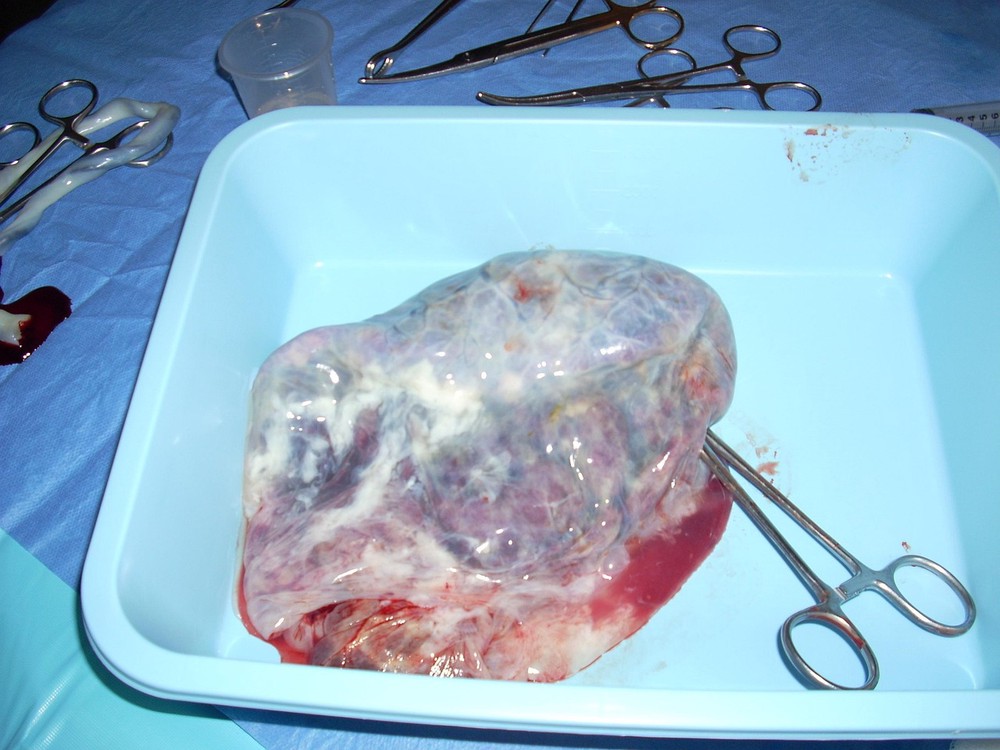
The specific red flag is lochia that suddenly becomes heavier, turns bright red again after it had begun to lighten, or develops a foul odor. A bad smell — often described as fishy or rotten — is not a normal part of healing. It strongly suggests an infection in the uterine cavity, often called endometritis. Other concerning changes include large clots (larger than a golf ball) or the presence of tissue-like pieces.
Many new parents assume that heavy bleeding is normal, but the pattern matters. If you notice a return to heavy bright red bleeding several days after delivery, trust that instinct and reach out to your midwife, nurse, or doctor.
When to seek care
Beyond these two main signs, there are other symptoms that should prompt a call to a healthcare provider without delay:
- Pain in the lower abdomen or pelvis that is not relieved by pain medication or that worsens over time.
- Redness, swelling, warmth, or pus at a cesarean incision or episiotomy site.
- Pain or burning during urination, or a frequent urge to urinate with little output.
- A headache that does not respond to usual pain relief, especially if accompanied by vision changes or nausea (these can suggest preeclampsia, not infection, but both need evaluation).
If you have a fever above 101°F (38.3°C), feel confused, have trouble breathing, or notice your heart racing, go to the emergency room. These can be signs of sepsis, a life-threatening response to infection.
What causes postpartum infections?
Infections typically result from bacteria entering the reproductive tract during or after delivery. Risk factors include prolonged labor, multiple internal exams, manual removal of the placenta, cesarean birth (especially after labor has started), premature rupture of membranes, and a history of pelvic infections. However, infection can also occur in people with no known risk factors. That is why vigilance matters for everyone.
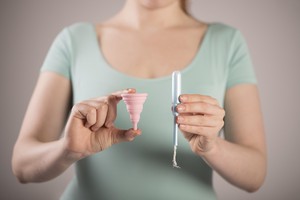
Taking care of yourself after birth is foundational. Keep your hands clean, change pads frequently (every 2 to 4 hours), and keep incisions dry and clean. Avoid using tampons or menstrual cups, having intercourse, or inserting anything into the vagina until your provider gives the all-clear — usually at the six-week check. These practices reduce the chance of introducing bacteria into the healing uterus.
Bottom line
Becoming a parent comes with a thousand new noises and sensations. It is not always easy to tell what is normal. But persistent fever and a change in lochia — especially foul odor or a return to heavy bright bleeding — are two signs that demand follow-up. Your healthcare team expects these calls. They would rather hear from you and find nothing serious than have you wait.
No question is too small when it comes to your health in the postpartum period. Trust your gut. If something feels wrong, check it out.