
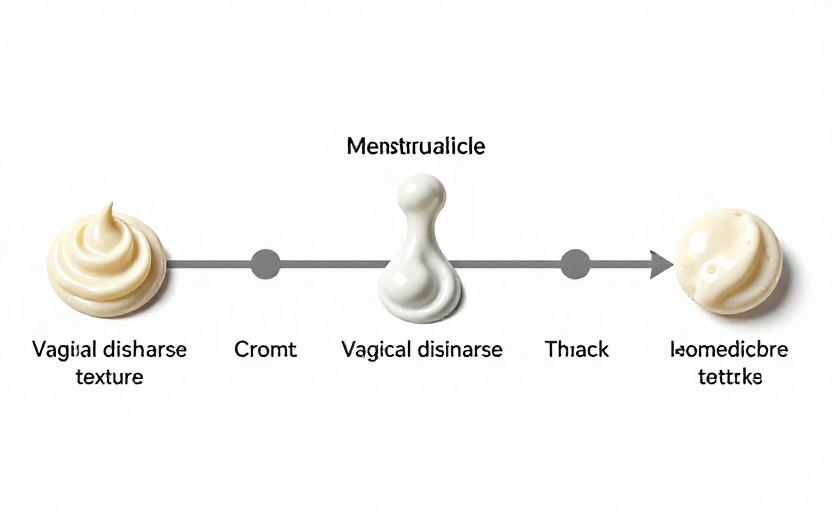
Your vaginal discharge is more than just a bodily function; it's a nuanced communication from your body, often reflecting the delicate dance of your hormones. While we're quick to notice dramatic changes in color or odor—signals that often point to infection—the subtler, more cyclical shifts can be easily overlooked. These gentle variations are frequently tied to the natural ebb and flow of hormones like estrogen and progesterone. Learning to recognize these normal patterns can transform anxiety into understanding, helping you distinguish between a routine hormonal shift and something that might need a professional's attention.
Let's explore two of the most common, yet subtle, warning signs that your discharge is speaking the language of hormones.
1. The Texture Transformation: From Sticky to Slippery
One of the clearest ways hormones announce their presence is through the changing consistency of your discharge. This isn't about infection; it's about ovulation and preparation.
In the days following your period, estrogen levels begin their steady climb. You might notice your discharge is relatively scant and perhaps a bit sticky or tacky to the touch. As you approach the middle of your cycle, estrogen peaks to trigger ovulation. This surge has a direct effect: it increases cervical mucus production and changes its quality.
The discharge you observe around ovulation is often described as having the consistency of raw egg whites—clear, stretchy, slippery, and notably elastic. This isn't an accident. This specific texture is designed by your body to facilitate sperm transport, creating a more hospitable pathway. After ovulation, as progesterone rises and estrogen falls, the scene shifts again. Discharge typically becomes thicker, cloudier, and less abundant, creating a more protective barrier.
If you notice a predictable, cyclical pattern of sticky → slippery → creamy discharge, you're likely tracking a healthy hormonal rhythm.
2. The Volume Fluctuation: A Quiet Indicator of Hormonal Phases
Alongside texture, the simple amount of discharge can be a quiet indicator of where you are in your cycle. Significant, unexplained changes in volume often have a hormonal story to tell.
That feeling of increased wetness around mid-cycle is classic. The high estrogen levels of your fertile window directly increase cervical mucus production, leading to a noticeable, sometimes surprising, increase in volume. This is a normal and positive sign of hormonal activity.
Conversely, you may experience much drier days. Right after your period and in the days leading up to it, discharge volume often decreases significantly. This is typically under the influence of lower estrogen or higher progesterone. For individuals approaching perimenopause, a gradual but persistent decrease in discharge volume and increased vaginal dryness can be one of the first signs of declining estrogen levels.
It's the pattern that matters. A steady, dramatic increase in volume outside of your typical cycle, especially if accompanied by other symptoms, warrants attention. But a predictable ebb and flow that aligns with your menstrual phases is usually just your hormones doing their job.
When a Subtle Shift Might Signal Something Else
While these two signs are strongly linked to natural cycles, it's wise to understand when the context changes. Hormonal imbalances from conditions like polycystic ovary syndrome (PCOS) or thyroid disorders can disrupt these typical patterns, sometimes causing persistent changes in discharge without the clear cyclical rhythm.
Furthermore, significant life events that alter your hormonal landscape—such as starting or stopping hormonal birth control, pregnancy, postpartum, breastfeeding, or perimenopause—can rewrite your discharge's normal script. During these times, what's "normal" for you may change, and it can take a few months to learn your new baseline.
The goal is not to diagnose yourself but to become an informed observer. Noticing that your discharge becomes slippery and abundant mid-cycle is a sign of probable ovulation. Observing that it's consistently scant might lead to a conversation about hormonal health with your doctor. By paying attention to these subtle signs—texture and volume—you move from seeing discharge as a mere secretion to understanding it as a reflection of your inner hormonal world. When in doubt, or if changes are persistent, itchy, painful, or malodorous, consulting a healthcare provider is always the most trustworthy step.