
Surviving a heart attack is a profound second chance, but the journey afterward requires vigilance. The heart muscle, now healing, can sometimes struggle to pump blood as effectively as before, a condition known as heart failure. While many people expect dramatic signs like chest pain or collapse, the early warnings of post-heart-attack heart failure are often quiet, easy to dismiss, and remarkably subtle.
Recognizing these two specific symptoms could be the most important skill you develop during recovery. Ignoring them doesn't just delay treatment—it can accelerate a decline that might otherwise be managed effectively.
1. Unexpected, Persistent Fatigue That Feels Different
Everyone feels tired after a major medical event. Recovery demands energy, and sleep patterns are often disrupted. But the fatigue signaling heart failure has a distinct quality. It's not the tiredness from a poor night's sleep or the exhaustion after physical therapy. It's a profound, bone-deep weariness that doesn't improve with rest.
You might notice that simple activities—carrying a light laundry basket, taking a shower, or walking to the mailbox—leave you feeling completely drained for hours. Unlike normal tiredness, this fatigue makes you feel heavy and winded, as if your body can't get enough fuel to its muscles. This happens because the heart isn't pumping enough oxygen-rich blood to meet your body's demands. The brain and muscles are essentially being starved of energy.
A key distinction: If your energy returns to near-normal after a short nap or a good night's sleep, it's likely recovery fatigue. If you wake up feeling just as exhausted as when you went to bed, or if a full day of rest makes no difference, pay close attention.
2. A New, Chronic, Dry Cough (Especially When Lying Down)
A cough after a heart attack is commonly attributed to medications (like ACE inhibitors, which can cause a dry cough) or lingering inflammation. However, a cough that becomes persistent, dry, and hacking—particularly when you recline or go to bed—is a classic, yet often overlooked, sign of fluid backing up into the lungs.
This occurs because the weakened heart cannot efficiently pump blood out of the pulmonary circulation. Blood then backs up in the vessels of the lungs, causing the heart to struggle even more. This increased pressure pushes fluid from the blood vessels into the lung tissue. The body's natural response is to cough, trying to clear that fluid. You may also notice you need an extra pillow to sleep comfortably at night, a condition called orthopnea. Some people report a feeling of being 'waterlogged' or a rattling sensation in the chest when breathing deeply.
If the cough produces white or pink, frothy sputum, this is a medical emergency. But the subtle version—just a dry, nagging cough that gets worse when horizontal—demands a call to your cardiologist.
Why These Symptoms Are So Easy to Miss
Heart failure after a heart attack doesn't always announce itself with a bang. The body is remarkably adaptive, and people often unconsciously limit their activities to accommodate their declining stamina. A patient might stop walking the dog without realizing why, chalking it up to 'getting older' or 'just not feeling up to it.'
The cough, meanwhile, might be blamed on seasonal allergies, dry indoor air, or a lingering cold. Because these symptoms develop gradually over weeks or months, they can blend into a person's new baseline of 'normal life after a heart attack.' This drift is dangerous. The earlier heart failure is caught, the more effectively it can be treated with medications, lifestyle changes, and careful monitoring.
What to Do If You Notice These Signs
Do not panic. Do not wait for your next scheduled appointment. Take these steps:
- Keep a daily log. For one week, note your energy level on a scale of 1–10 an hour after waking up, and again after any physical exertion. Also, note when the cough occurs and whether it changes with position. This data is invaluable for your doctor.
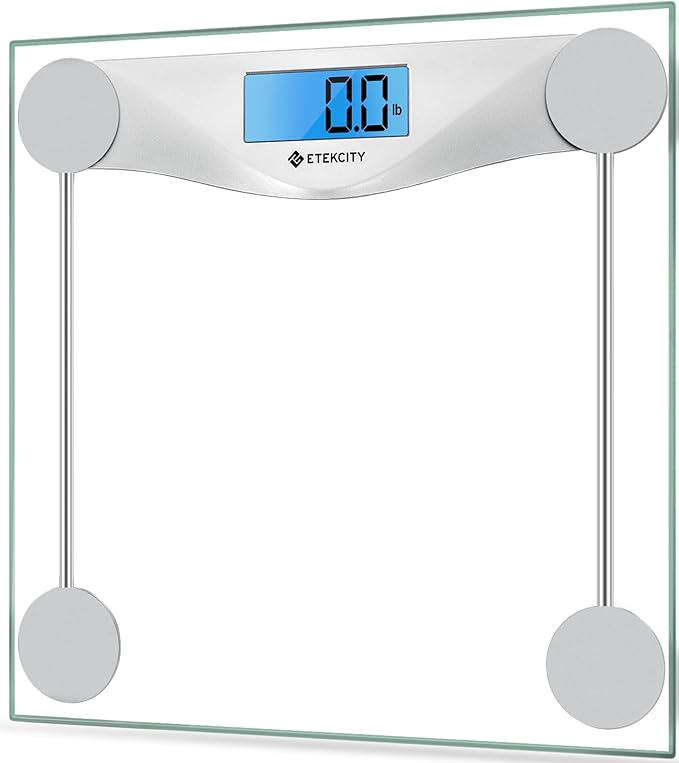
- Check your weight daily. Weigh yourself every morning, after urinating but before eating or drinking. Gaining 2–3 pounds in a day or 5 pounds in a week, even without noticeable swelling, is a sign of fluid retention driven by worsening heart function.
- Call your cardiologist. Describe the fatigue and the cough specifically. Use phrases like, 'I'm too tired to finish a shower most days,' or 'I have a dry cough that gets worse when I lie flat.' This helps the clinical team prioritize your concern.
Recovery from a heart attack is a partnership between you and your healthcare team. Paying attention to these two subtle symptoms—persistent, rest-resistant fatigue and a new cough related to lying down—is not being overly anxious; it's being an active, informed participant in your own survival. A quick conversation with your doctor could be all it takes to adjust your treatment plan and protect your heart for the long haul.