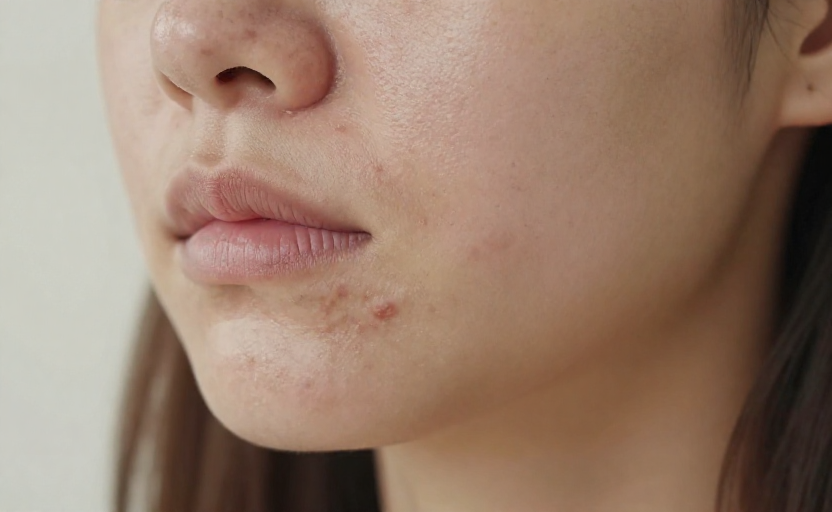
You know your skin. You've mapped its rhythms, learned which cleansers agree with it, and can usually predict when a breakout is just a breakout. But sometimes your face tells a different story—one that might be about more than pore-clogging or stress. When acne shifts in location, timing, or appearance, it can be an early, subtle signal that something deeper is happening with your hormones.
For many women, especially those in their 20s and 30s, persistent or changing acne can be one of the first visible clues of an underlying condition like polycystic ovary syndrome (PCOS) or another hormonal imbalance. The key is knowing which specific changes to watch for.
The Jawline and Chin Pattern: A Telltale Shift
If you've noticed your breakouts migrating to a specific crescent-shaped area along your jawline, chin, and down onto your neck, this isn't random location. This lower-third-of-the-face pattern is one of the most classic signs of hormonal acne.
Unlike the forehead and nose breakouts common in teenage years (often driven by sebum production alone), hormonal acne in adults tends to cluster in the beard distribution area. The skin here has more androgen receptors, making it more reactive to fluctuations in testosterone and related hormones like DHEA-S.
When breakouts consistently appear along the jawline and neck before your period and persist beyond it, consider it a quiet flag from your endocrine system.
This pattern isn't just about monthly cycles. If you're noticing these deep, sometimes tender bumps appearing more frequently throughout the month, or if they last longer than typical blemishes, your ovaries or adrenal glands may be producing more androgens than usual. This is a common early feature of PCOS, where even mildly elevated testosterone can alter skin cell turnover and oil production without other obvious symptoms.
Breakouts That Refuse to Heal Normally
Another subtle sign is the quality of the blemishes themselves compared to your usual acne. Pay attention if you're seeing more deep, cystic lesions that feel hard under the skin and take weeks to fully come to a head or heal. These are distinct from the superficial whiteheads or blackheads that might respond to topical treatments.
Hormonal shifts can increase inflammation and alter the skin's microbiome in a way that makes standard acne-fighting ingredients less effective. When your breakouts become stubborn, painful, and seem to leave behind persistent red or dark marks (post-inflammatory hyperpigmentation), it often points to a systemic driver—not just a skincare problem.
This is especially relevant for women who haven't changed their skincare routine but are suddenly seeing these deeper bumps recur in the same spots. The persistence is the clue. Healthy skin cycles through breakouts and healing. Hormonally driven acne tends to linger in the same areas, creating a chronic low-grade inflammation that topical products alone struggle to resolve.
When to Look Beyond the Surface
While these two patterns—jawline distribution and stubborn, cystic quality—are primary signals, they rarely occur in isolation. The full picture often includes other subtle shifts that reinforce the hormone connection.
- Timing changes: Your breakouts now flare predictably in the luteal phase (the week or so before your period) and clear somewhat after menstruation. This cyclical pattern is a strong indicator of progesterone and estrogen influence on skin.
- Oiliness that changes texture: You might feel greasier overall, but the texture can feel coarser or like fine grit, especially around the chin. This differs from the shine of simple overproduction.
- Associated symptoms that confirm the pattern: If the skin changes are accompanied by fatigue, unexplained weight changes, irregular periods, or increased facial hair (even just a few dark chin hairs or thicker sideburn growth), the window of concern widens significantly toward PCOS or thyroid dysfunction.
What These Signals Don't Mean—Yet
It's important to clarify that seeing these patterns doesn't automatically mean you have a serious condition. Acne can shift for many reasons: a new medication, starting or stopping birth control, a big stressor, even seasonal changes. But when the jawline-cystic pattern becomes your new norm, it's worth considering a deeper explanation.
The body sends these subtle skin signals long before other, more disruptive symptoms appear. A woman with PCOS, for example, might notice her acne changing six months to a year before her periods become noticeably irregular or her hair thinning becomes apparent. Recognizing these cues early allows for proactive investigation rather than reactive treatment.
Practical Next Steps: Bridging Skin and System
If you recognize yourself in these patterns, there are concrete steps that honor both your skin's needs and your overall health. The goal isn't to diagnose yourself, but to gather useful information for yourself and your healthcare provider.
Document your pattern. For two months, take a quick photo of your skin every morning. Note the location of any new deep bumps and your day in your menstrual cycle. This visual and chronological data is incredibly helpful for a dermatologist or endocrinologist.
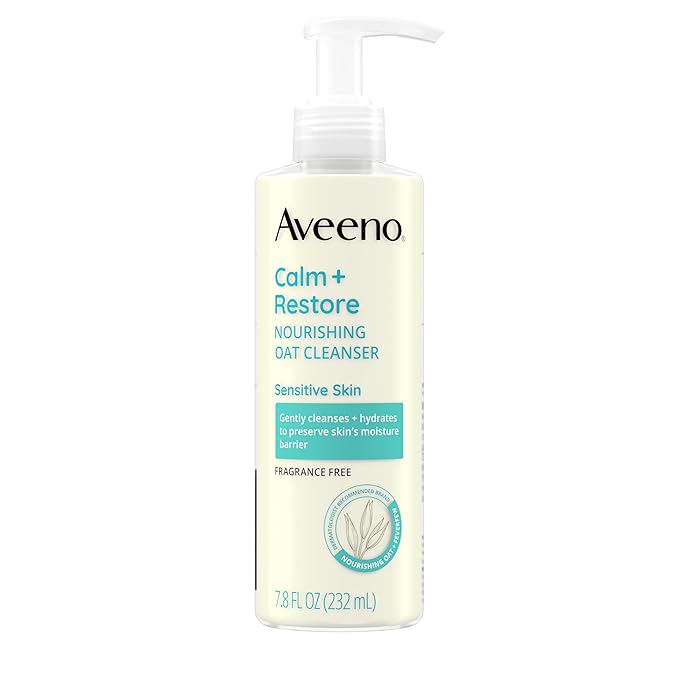
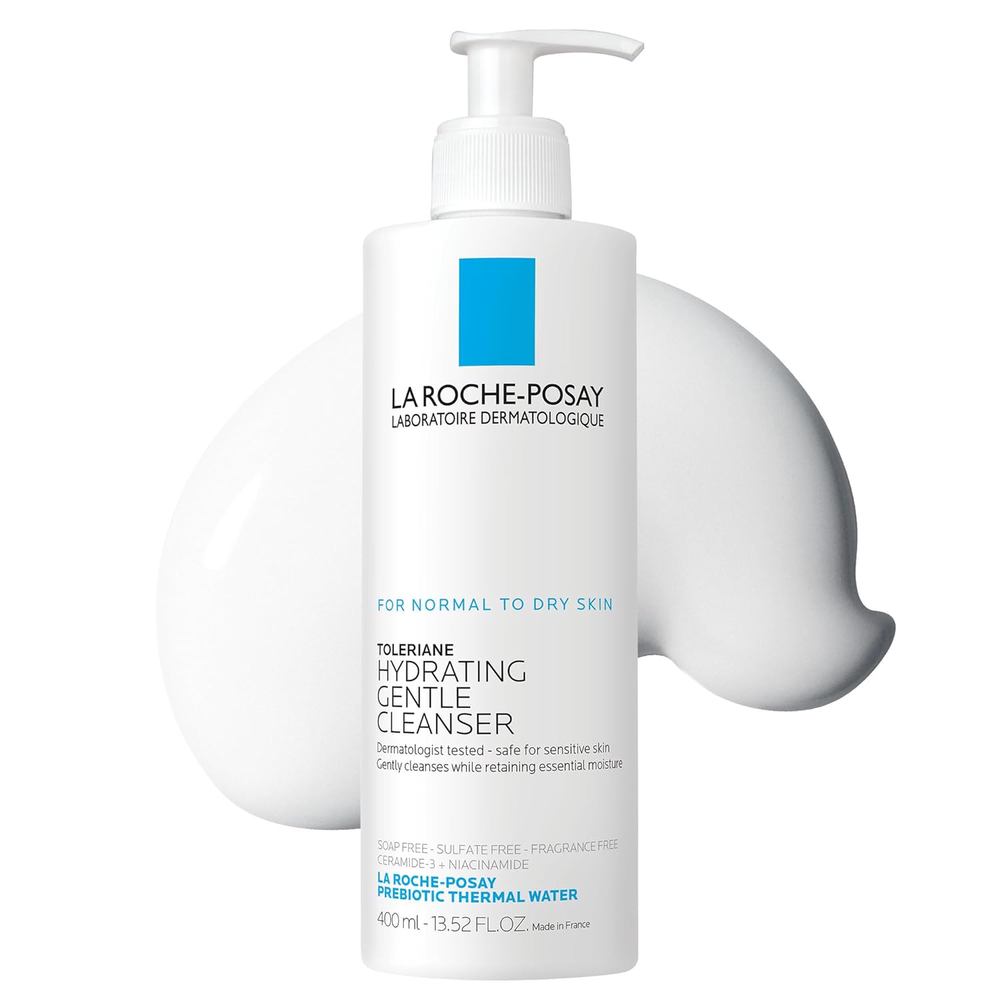
Adjust your skincare approach. While waiting for answers, focus on supporting skin barrier function rather than aggressively treating each bump. Gentle cleansing, non-comedogenic moisturizers, and ingredients like niacinamide can help calm inflammation without irritation. Avoid harsh exfoliation on active cystic acne, as it often worsens deeper inflammation.
Consider the full picture. Make an appointment with a primary care provider or gynecologist if your acne pattern is persistent and you notice even one or two other subtle symptoms—like fatigue, heavier or lighter periods, or hair changes. A simple blood panel checking free testosterone, DHEA-S, thyroid-stimulating hormone (TSH), and fasting insulin can provide the answers you need. There is no need to wait for severe symptoms.
Your skin is not an isolated organ. It responds to the internal environment. When its language shifts subtly, listening carefully can sometimes reveal a conversation your body has been trying to start for months. Recognizing a deeper hormonal pattern early changes the question from "What cleanser should I use?" to "What does my body need to feel balanced again?"—a shift that benefits far more than your complexion.