If you live with polycystic ovary syndrome (PCOS), your ovaries are likely familiar with cysts. Many come and go without any fanfare — but sometimes one ruptures. While a dramatic, sudden pain is the classic sign you hear about, not every rupture announces itself that way. In fact, when you have PCOS, the presentation can be much more subtle — and that can make it easy to dismiss or mistake for something else.
Here are two subtle signs of a ruptured ovarian cyst that are especially relevant if you have PCOS, along with guidance on when to seek care.
1. A dull pelvic ache that lingers (not a sharp stab)
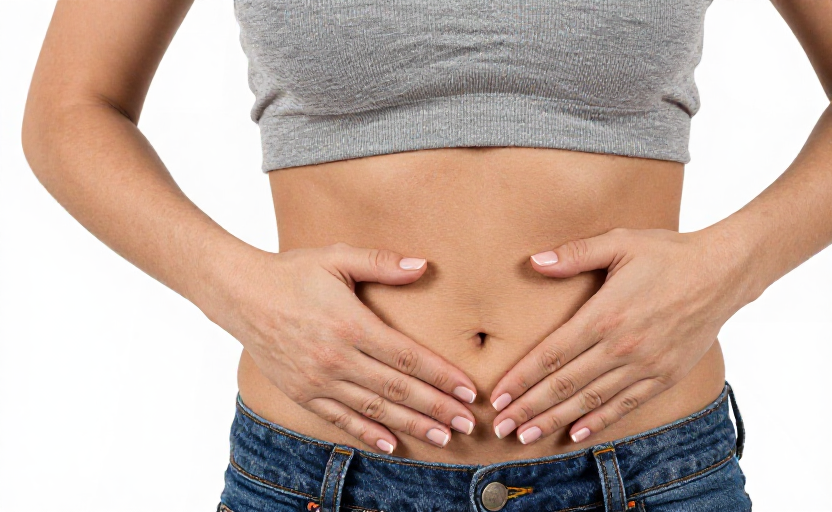
Many people expect a ruptured cyst to feel like a knife-stabbing pain that doubles them over. That certainly can happen — but with PCOS, it's just as common to feel a vague, nagging ache that settles low in your belly or off to one side. It might feel like a pulled muscle or a mild cramp that just won't quite go away.
This happens because the cyst releases fluid and a small amount of blood when it bursts. That material can irritate the lining of your pelvis, causing a low-grade inflammatory ache that lasts for hours or even a day or two. Since women with PCOS are used to pelvic discomfort from bloating, cramps, or ovulation pain, it's easy to write this off as 'just another PCOS day.'
Tip: If you notice a dull, one-sided ache that doesn't respond to your usual cramp remedies or lasts longer than a typical period cramp, pay attention — especially if it's accompanied by the second sign below.
2. Spotting or light bleeding that seems 'off'
Because PCOS often causes irregular periods, spotting can feel normal. But a ruptured cyst can trigger a small amount of breakthrough bleeding — often just a few spots of pink or brown discharge that appear at an unexpected time in your cycle. This happens when the cyst's rupture briefly disturbs the hormonal lining of your uterus or irritates the cervix.
The key distinction: this bleeding usually appears with the dull ache mentioned above. On its own, spotting may be just anovulatory bleeding — a common PCOS issue — but the combination of a persistent ache and odd-timing spotting makes a rupture much more likely.
What makes these signs unique in PCOS?
PCOS ovaries tend to have many small follicles (immature eggs) that can form multiple cysts. When one of those functional cysts ruptures, it's not as dramatic as a large, standalone cyst that pops. The smaller size and chronic low-level inflammation common in PCOS can blunt the pain signals. Additionally, people with PCOS often have a higher pain threshold from dealing with chronic pelvic pain, making it easier to underplay these symptoms.
When to see a doctor
Any of these warrant a call to your healthcare provider:
- The dull ache becomes worse over a few hours instead of better
- You feel dizzy, lightheaded, or faint (could mean internal bleeding)
- Your spotting turns into heavy bleeding
- You develop nausea, vomiting, or a fever
- The pain makes it hard to stand straight or walk
For most ruptured cysts, rest and over-the-counter pain relief (like ibuprofen) are enough. But internal bleeding, infection, or ovarian torsion (twisting) are possible — and those require urgent care.
How to manage and prevent recurrent ruptures in PCOS
If you have PCOS and you've had a ruptured cyst, it's natural to worry about it happening again. While you can't prevent every cyst, certain steps can reduce your risk:
- Hormonal birth control (pills, ring, patch, or IUD) can suppress ovulation and reduce cyst formation. This is one of the most effective prevention strategies.
- Maintaining a stable weight through diet and exercise helps lower insulin levels, which in turn reduces the hormonal stimulation that drives cyst growth.
- Avoiding ovarian stimulation — if you're taking fertility medications, your doctor should monitor you closely for overstimulation, which can cause multiple large cysts.
In short: listen to your body's quieter signals. A mild ache plus unusual spotting is a classic PCOS-style rupture — and catching it early can help you avoid unnecessary pain and anxiety.