For many people trying to conceive, the focus is often on the obvious signs: a surge in libido, a twinge in the lower abdomen, or a change in cervical mucus. But ovulation is a subtle process, and sometimes the most telling clues are easy to overlook. Missing these signals can mean missing your fertile window entirely. Here are two lesser-known ovulation warning signs that deserve your attention.
1. A Brief, Sharp Drop in Basal Body Temperature (The "Ovulatory Dip")
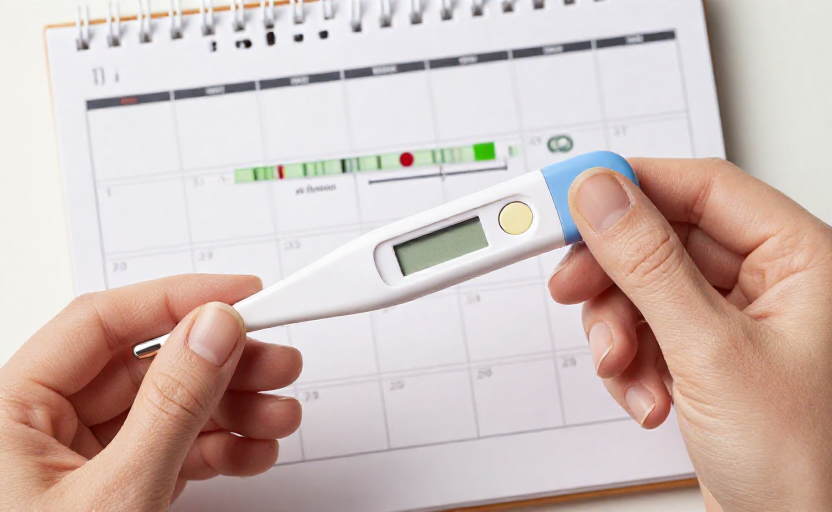
Basal body temperature (BBT) charting is a common fertility awareness method, but most people know the pattern: a relatively flat pre-ovulatory phase, followed by a sustained rise after ovulation. However, a small but distinct dip—often just 0.1 to 0.2 degrees Fahrenheit—can appear the day before or on the day of ovulation.
This phenomenon, sometimes called an ovulatory dip, is not a guarantee for everyone, but it is a real physiological response. It is thought to be caused by a brief surge in estrogen just before the luteinizing hormone (LH) peak triggers the release of an egg. If you track your BBT over several cycles and notice this pattern, it can act as an early warning that ovulation is imminent—not already past.
Tip: To spot this dip, you need to take your temperature at the same time every morning before you get out of bed. A regular oral thermometer may not be precise enough; a dedicated BBT thermometer with two decimal places is more reliable.
2. A Change in the Position and Firmness of the Cervix
While many women know their cervix exists, few check it regularly. Yet its position and texture shift predictably throughout the menstrual cycle. This is a silent, physical cue that can tell you exactly where you are in your cycle—without any apps or test strips.
Before ovulation, the cervix typically sits low, feels firm (like the tip of your nose), and remains closed. As estrogen rises and ovulation approaches, the cervix lifts higher into the vagina, becomes softer (more like the texture of your lips), and the opening (os) relaxes slightly to allow sperm passage.
This change can occur over a few days. The moment your cervix feels high, soft, and slightly open, you are likely in your fertile window. Within 24–48 hours of this change, ovulation may occur. If you feel your cervix and it suddenly returns to a low, firm position after being soft and high, that is a strong sign ovulation has already happened.
How to Check Your Cervix
Checking your cervix is simpler than it sounds. Wash your hands thoroughly, find a comfortable position (sitting on the toilet or squatting), and gently insert one or two fingers into the vagina until you feel the cervix. It will feel like a small, round donut with a dimple in the middle. Practice a few days after your period ends and again near ovulation—you will quickly learn the difference in texture and height.
Paying attention to these subtle signals takes practice, but it empowers you with a deeper understanding of your body's natural rhythms. They are not a replacement for medical advice, but they are powerful tools when used alongside other tracking methods like LH strips or fertility monitors.