

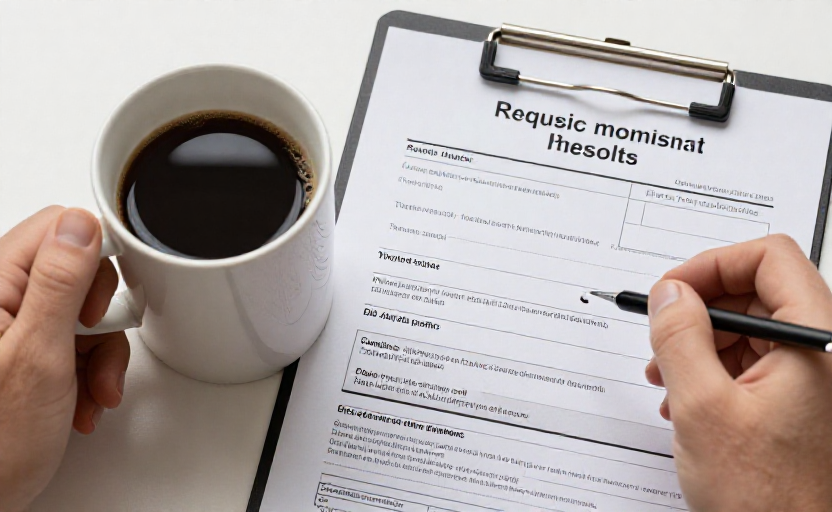
You’ve fasted, you’ve skipped your morning coffee, and you’re sitting in the lab waiting room, ready for your thyroid function test. But did you know that two common morning habits—things you might not even think twice about—can quietly influence your results? A thyroid panel is a snapshot of your endocrine system at a single moment, and that snapshot can be distorted by what you did (or didn’t do) after waking up.
Here’s what the latest clinical guidance suggests you watch for if you want a reading that truly reflects your baseline thyroid status, not a morning ritual.
1. Taking Your Thyroid Medication Too Close to the Blood Draw
If you take levothyroxine or another thyroid hormone replacement, you’ve probably been told to take it on an empty stomach first thing in the morning, then wait at least 30 to 60 minutes before eating. That’s solid advice for absorption. But there’s an extra layer when you have a blood test that same morning.
Taking your thyroid medication just an hour or two before the lab draw can cause a transient spike in your free T4 levels. Your thyroid-stimulating hormone (TSH), which the pituitary gland releases to regulate the gland, may then appear artificially low in response. This can make it look like your dose is too high when it’s actually well-timed for daily life.
Tip: Many endocrinologists now suggest taking your thyroid pill after the blood draw, or at least waiting until the test is done if it’s early. If you absolutely must take it before, note the exact time on the lab requisition so the results can be interpreted in context.
The window matters. A 2021 study in Thyroid Research noted that the peak serum T4 concentration after oral levothyroxine occurs around two hours post-dose. If your blood is drawn into that peak, your TSH could be suppressed by 20–50% compared to your true steady-state level. That’s enough to trigger an unnecessary dose adjustment.
2. Consuming Caffeine (Even Black Coffee) Before the Test
You might think skipping breakfast means you’re in the clear. But black coffee, tea, and even some sugar-free energy drinks can alter your results. Caffeine is a stimulant that affects the hypothalamic-pituitary-thyroid axis, and it does so in a few ways.
First, caffeine can increase the conversion of T4 to the more active T3 in peripheral tissues, which may transiently lower TSH. Second, it can interfere with the laboratory assays themselves. Some immunoassays used to measure TSH and thyroid hormones are sensitive to the pH and protein-binding changes that occur after caffeine ingestion. Even a single cup can shift your TSH downward by a small but clinically meaningful amount.
A 2019 systematic review in European Journal of Clinical Nutrition found that caffeine intake before thyroid function testing was associated with a statistically significant reduction in TSH levels in healthy adults. The effect was modest—roughly a 0.3–0.5 mIU/L drop—but if you’re being evaluated for subclinical hypothyroidism, that’s exactly the range where every decimal matters.
Tip: Stick with plain water until the blood draw is done. That includes skipping your morning matcha, cold brew, or even decaf (which still contains small amounts of caffeine).
What About Biotin and Other Supplements?
Biotin (vitamin B7) is another common morning habit. It’s found in many hair, skin, and nail supplements, as well as some multivitamins. High doses of biotin can cause falsely high T4 and T3 levels and falsely low TSH on certain lab platforms. The American Thyroid Association recommends discontinuing high-dose biotin (typically >10 mg/day) for at least 48 hours before thyroid testing. Standard multivitamin amounts (30–300 mcg) are usually fine, but check with your doctor.
If you take any supplement first thing—biotin, vitamin D, iron, calcium—these can also bind to thyroid medication and interfere with absorption. The general rule: separate thyroid meds from supplements (and food) by at least four hours if possible.
When Timing Gets Tricky: Pregnancy and Night-Shift Workers
For pregnant women, morning TSH tends to be slightly lower due to human chorionic gonadotropin (hCG) cross-reactivity. Adding caffeine or early medication to the mix can amplify that dip. Some labs now recommend a consistent morning fasting window for all prenatal thyroid screening.
If you work overnight and sleep during the day, your TSH peaks around your typical sleep time, not the clock time. A morning (for you) blood draw after your shift may not represent your true baseline. Talk to your endocrinologist about whether a different draw time better matches your circadian rhythm.
The Bottom Line on Morning Preparations
You can optimize your next thyroid function test with two simple changes: postpone your thyroid medication until after the blood draw, and drink only water until the needle goes in. These adjustments cost nothing, yet they can save you from a confusing result that leads to a dose tweak you don’t need—or a missed diagnosis.
Your lab slip already says “fasting.” Now you know why that instruction goes deeper than just skipping breakfast.
Always consult your prescribing clinician before changing the timing of your thyroid medication. This article is for educational purposes and does not replace individualized medical advice.








