
If you live with a thyroid condition, you know the mood swings can feel like a storm you never saw coming. One minute you are steady; the next, you are tearful, irritable, or just bone-tired for no obvious reason. Because the thyroid gland helps regulate metabolism and neurotransmitter activity, even small hormonal fluctuations can ripple into your emotional landscape. While medication and your doctor's guidance form the foundation of care, the right morning beverage can offer quiet, steady support—no prescriptions, just smart nutrition.
Two drinks stand out because they address common thyroid-related imbalances: blood sugar dips that trigger anxiety and cortisol spikes, plus the adrenal fatigue that often tags along with Hashimoto's or hypothyroidism. Below, we unpack how each drink works, why timing in the morning matters, and what a registered dietitian wants you to keep in mind before making a change.
Why morning drinks matter for thyroid mood stability
During sleep, your body runs a kind of overnight fast. By morning, cortisol (your stress hormone) naturally rises to help you wake up. For someone with a thyroid condition—especially an underactive thyroid—that cortisol surge can overshoot, setting the stage for jitters, brain fog, or low blood sugar by mid-morning. A carefully chosen drink can help blunt those swings without adding stimulants that tax your nervous system further.
Moreover, the gut and thyroid are deeply linked. The first thing you consume influences your microbiome, hydration status, and how your body handles stress hormones for the rest of the day. The two drinks below are not cures; they are gentle, evidence-informed tools you can try as part of a balanced approach.
Drink #1: A warm lemon and electrolyte blend
This is not just trendy lemon water. The key here is pairing fresh lemon juice with a pinch of high-quality sea salt or a clean electrolyte powder (without added sugar or artificial colors). Here is why this combination targets thyroid-related mood swings:
- Hydration with a purpose. Thyroid hormones influence kidney function and fluid balance. Many people with hypothyroidism are mildly dehydrated, which alone can worsen fatigue and irritability. Adding electrolytes (sodium, potassium, magnesium) helps water actually reach your cells.
- Blood sugar support. Starting the day with something acidic like lemon juice can slow the glycemic response of your first meal, especially if you eat carbs soon after. Steadier blood sugar means fewer adrenaline spikes that mimic anxiety.
- Adrenal calming. Lemon contains vitamin C, which supports the adrenal glands. When your thyroid is underactive, your adrenals often compensate by pumping more cortisol. Vitamin C helps your body recycle cortisol so levels do not stay elevated too long.
Dietitian's tip: Drink this 15–20 minutes before your first food of the day. Use warm (not boiling) water to preserve the vitamin C. If you have sensitive teeth, use a straw to protect enamel.
Drink #2: a golden turmeric and ginger latte (without caffeine)
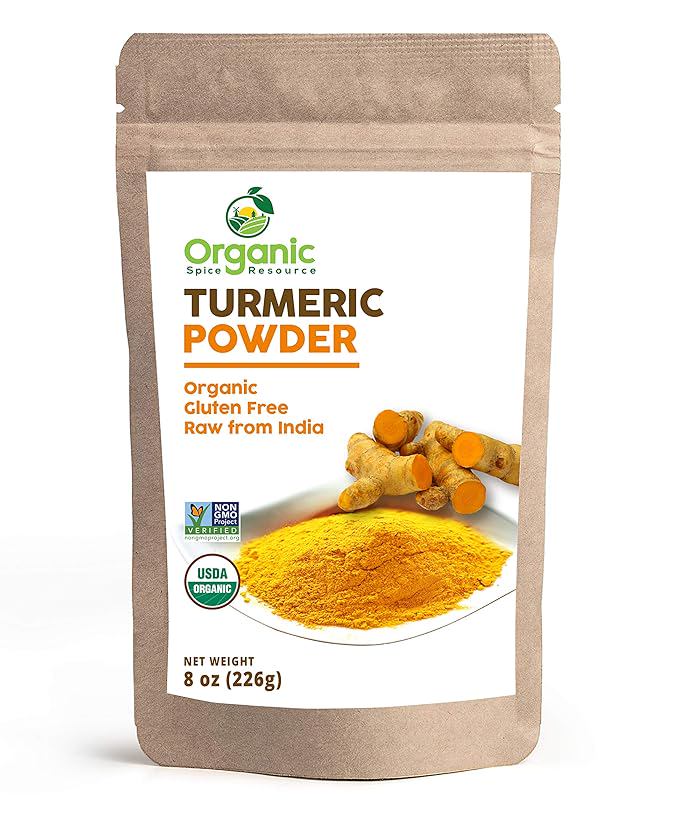
The second drink is a warm, creamy blend made with turmeric, fresh grated ginger, a pinch of black pepper, and a warm milk of your choice (unsweetened almond, oat, or organic dairy). Unlike coffee, which can spike cortisol further in a sensitive person, this latte provides anti-inflammatory compounds that specifically address the low-grade inflammation common in autoimmune thyroid conditions like Hashimoto's.
- Curcumin and piperine. Turmeric's active compound, curcumin, is a potent anti-inflammatory. Black pepper increases its absorption up to 2,000%. Chronic inflammation is a known contributor to depressive symptoms in thyroid patients.
- Ginger's gut effect. Ginger soothes the digestive tract and can reduce nausea sometimes linked to thyroid medications. A calm gut sends fewer distress signals to the brain, which can dial down emotional reactivity.
- No caffeine jitters. By skipping coffee or green tea, you avoid the adrenal roller coaster. Instead, you get steady energy from the warmth and the anti-inflammatory cascade. If you need a gentle morning lift, add a small dash of Ceylon cinnamon, which can help with insulin sensitivity.
Dietitian's tip: If you take thyroid medication, wait at least 60 minutes before having this drink—turmeric can interfere with absorption. Make a batch of the spice mix ahead so mornings are effortless.
What about coffee and tea?
You may be wondering where your usual morning cup of coffee or black tea fits in. For some people with thyroid conditions, caffeine is fine in moderation. But if you notice that coffee makes you feel jittery, anxious, or triggers a crash by late morning, consider it a possible contributor to your mood swings. Caffeine raises cortisol and can interfere with the conversion of T4 (the storage thyroid hormone) to T3 (the active form). A dietitian can help you personalize, but a good first test is to replace your morning coffee with one of the two drinks above for one week and observe how your mood tracks.
Practical steps to get started
- Check with your healthcare provider before adding any herbal ingredient in large amounts, especially if you are on blood thinners or have a history of kidney stones (turmeric and oxalates can be a concern).
- Watch the sugar. Avoid adding honey, maple syrup, or flavored creamers to these drinks. Sugar worsens blood sugar swings and feeds inflammation.
- Be consistent. One morning of lemon water will not transform your mood. Try one of these drinks daily for at least two weeks to see if you notice a difference in energy stability and emotional reactivity.
- Pair with protein. These drinks work best when followed by a protein-rich breakfast (eggs, Greek yogurt, or tofu scramble). Protein provides amino acids needed for neurotransmitter production.
No drink replaces medical care for thyroid disease. But by choosing what you put in your body first thing in the morning, you can create a gentle buffer against the mood swings that make living with a thyroid condition so challenging. Start with one cup, listen to how you feel, and adjust from there.